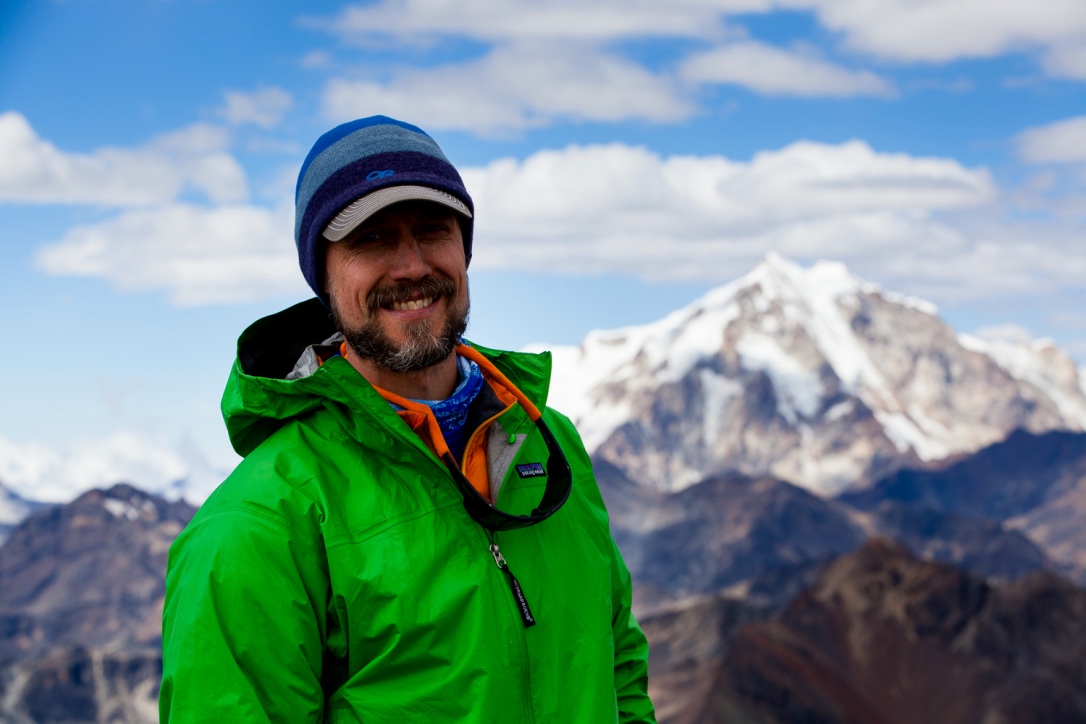
“As an academic, screen-time is now an issue for me and I try to increase my ‘green-time’ to counter it.”
Harper’s relationship with adventure therapy is an interesting one – he never knew it was a field for academic study until he entered it.
For him, it was already a way of life.
“I grew up in a small remote resource community in northern Canada, and it wasn’t until I left for college that I learned that people would carry packs into mountains or forests for no reason other than their own entertainment and pleasure,” he says.
“I didn’t let on how this caught me off guard, but where I grew up, if you went to the bush, you were either hunting, fishing or extracting some other resource.
“When I was eventually talked into going along, I found myself looking after my friends who were really not well prepared for the experience of outdoor travel and living.”
From there, Harper embarked on his adventure therapy journey, working outdoors with groups and individuals in education and social services.
“The adventure therapy field – that’s where my heart is,” he says.
Adventure Specialties Trust adventure therapy manager Amy Horn says outdoor therapy is instinctual for humans, but the field is relatively new.
“A lot of us head to the hills for our wellbeing, or to de-stress, but we’re only just starting to look at that as an intentional part of therapy,” she says.
Despite this, Kiwis have been ahead of the curve with adventure therapy and it has been practiced here from the very start of the movement in the 1980s, she says.
A number of organisations exist today under the adventure therapy umbrella, including Adventure Development New Zealand, Adventure Therapy Aotearoa, Adventure Specialties Trust, and dozens of community, youth and cultural groups.
As a developing field, Horn says the number of practitioners in New Zealand is unknown.
Horn guesses that the easy accessibility to the outdoors might hold some bearing on our strong representation in the adventure therapy field, but also points to the Māori culture as a starting point.
“Adventure therapy is just a word that encompasses a whole range of practices with nature and experiences for therapeutic intent and this is something that Māori have been doing for a long time,” she says.
“Underpinning these Māori practices is the understanding that health comes from connectedness with the land – there is no separation between humans and nature.”
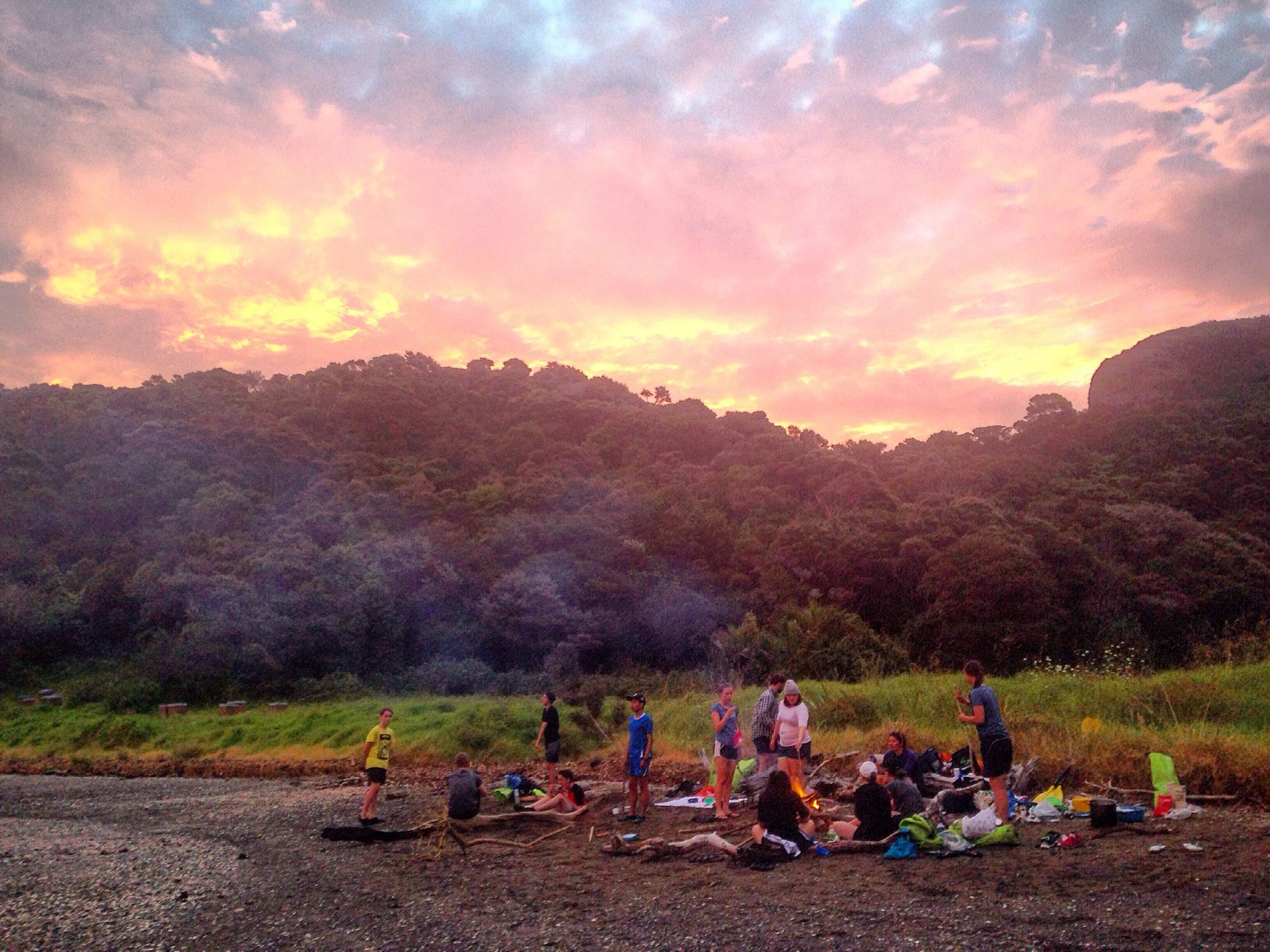
Adventure Development New Zealand counsellor and cultural advisor Vicki Totoro says a relationship to the environment is essential to wellbeing – as is an understanding that humans are no more important than any other living species.
“Unfortunately, this is not universal and we are witnessing the continued destruction of the environment despite knowing it is not sustainable,” she says.
“We are called tangata whenua – people of the land. As our creation stories tell us, we descend from Papatuanuku (earth mother) and Ranginui (sky father).
“That can be too much for people who are disconnected from Māori culture to accept but our traditional wellbeing is based on the health of our environment and its ability to nurture and provide sustenance.”
Totoro says the Māori language captures the connection of environment and health.
“We compare ourselves to qualities demonstrated by other living things, to sing sweetly like a tui, to gobble food like a duck, to be in love like water and rock, to heal and destroy like wind,” she says.
Harper has an “obvious bias” for therapy being more effective outdoors than in, but accepts it won’t suit everyone.
“Being indoors and discussing one’s troubles with a near stranger is not natural. The health and wellbeing benefits from time outdoors are well-documented and can be had by both in the counselling relationship,” he says.
“Outdoors affords diverse bodily engagement, bountiful nature metaphors, restored attention and other physiological changes that increase our ability to think, make decisions, reflect and relax our bodies.”
Harper also notes that outdoor therapies can provide patients with accessible resources they can access with ease in future.
“When engaging in outdoor therapy in communities, clients gain knowledge and experiences in local green spaces and parks and begin to utilise these spaces themselves and with family and friends.
“The settings become further resources to them and a positive contribution to their mental health.”
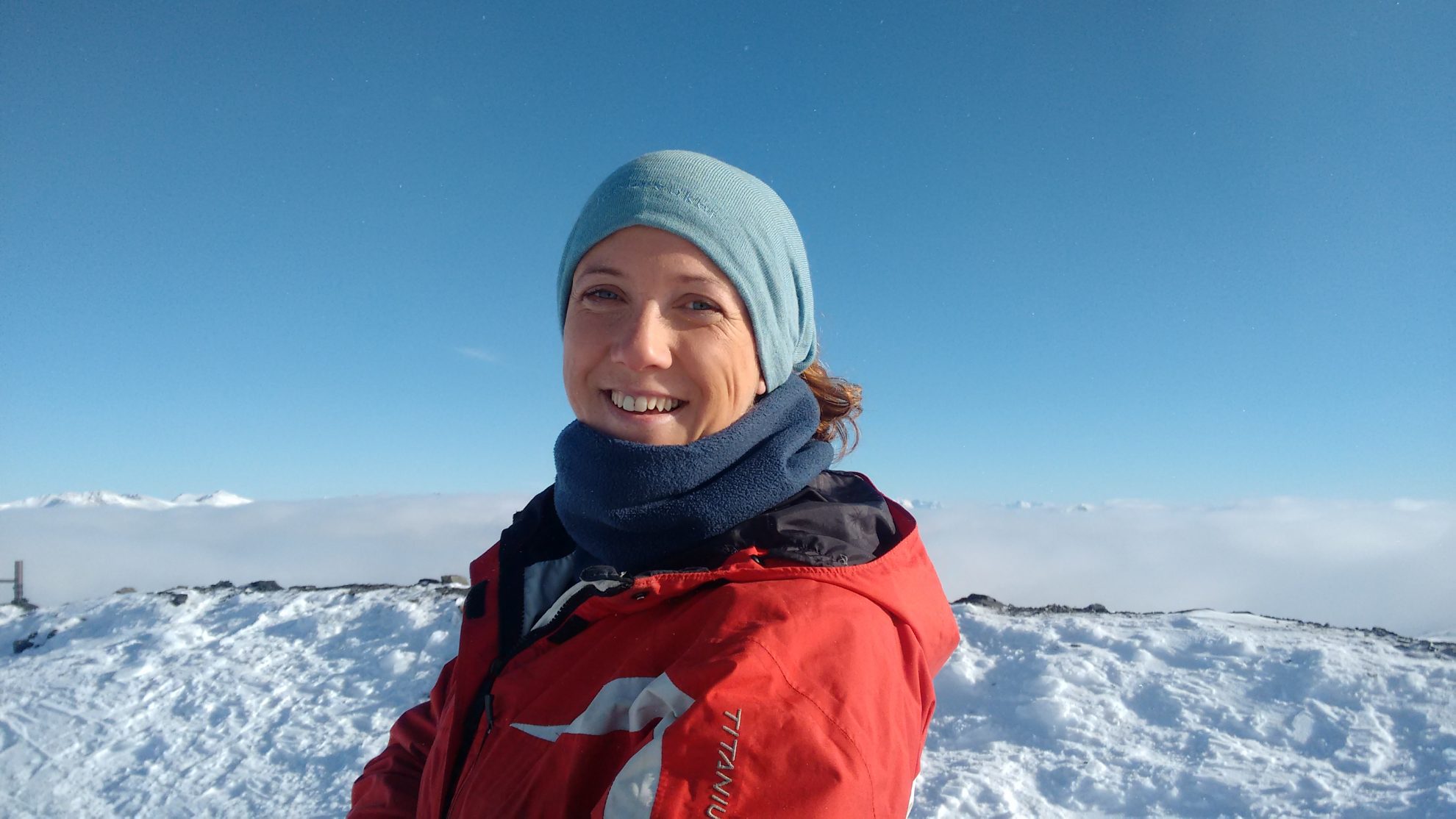
Horn too has noticed a stark contrast between youth who have experienced both outdoor and indoor therapy.
“One of my favourite things is writing reports about young people and when we send them back to their social workers, they say ‘who is this kid?’,” she says.
“The difference is that we saw this kid at their best, enjoying their day and experiencing life to the full.”
Harper has experienced similar reactions in his adventure therapy sessions and puts it down – in part – to the way nature can destigmatise traditional therapy.
“Being outdoors with a counsellor, walking in a park, sitting on a beach, or actively engaged in an adventure activity, is very different from a conventional office setting,” he says.
“Children and youth can experience a degree of enjoyment and physicality that would not generally be associated with therapy.”
Horn acknowledges that adventure therapy isn’t the be all and end all solution for those with mental health issues in New Zealand, but sees it rather as a strong foundation that should work hand in hand with other resources.
“Most of the medical world would now acknowledge that nature is good for you, but still say the main thing a patient needs is drugs,” she says.
“It’s never as simple as one thing. You can’t just spend time in nature and have all of your problems solved, and you also can’t just take antidepressants and have everything solved.”
Making the most of green space
Even in New Zealand, it can be difficult to interact with nature on a daily basis.
Nevin Harper suggests making an effort to regularly spend mindful moments in natural settings.
“These spaces do not have to be big, nor wild nature – it could be a tree to sit under, a patch of grass to lie back on,” he says.
Finding the right mindset for the experience can be just as important as the setting, Harper adds.
“You can walk through a pastoral park setting, with all its tranquil visuals and sounds, and still fret over some work related issue. While you may gain some benefit from the walk, being mindful, and engaging in simple mental activities can fortify the positive experience,” he says.