

The science of sleep
Our sleep is governed by two processes. The first is sleep pressure: the longer we’re awake, the sleepier we become. That may seem obvious, but anyone who has experienced jetlag knows it’s not that simple. That’s because there is a second process dictating when we feel alert or sleepy: our circadian rhythm. Also known as our internal clock, it is a 24-hour cycle that tells us when to wake, eat and sleep.
The timing of sleepiness over the course of a 24-hour day is known as your chronotype, and it helps to explain two common types of backcountry insomnia. Morning larks feel awake early in the morning and begin to feel sleepy in the late afternoon. A lark might wake hours before a scheduled start time and find it impossible to fall back to sleep. Night owls are alert late into the evening and groggy in the morning. If they try to get an early night to be ready for a dawn start, their body may resist falling asleep until closer to their usual bedtime. Chronotypes are also the root of many an argument during trip planning: larks are unfazed by a pre-dawn start, while night owls would rather tramp into the night than wake early.
Your chronotype changes as you age. Most people are more lark-like as young children, become night owls in their teens and early twenties, then gradually become earlier risers again in later life. This leads to a familiar experience for camping families: the teenagers want to stay up late, the little kids are awake with the dawn, and the parents are caught in the middle.
Your chronotype is more than a preference or habit. The daily rhythm of sleepiness is driven by melatonin, a hormone that nudges our bodies towards sleep. The morning lark’s melatonin levels start to rise around 6pm. For night owls, on the other hand, melatonin levels don’t rise until 11pm or later.
Circadian rhythms are synchronised to the sun: while bright daylight blocks melatonin release and keeps us alert, the fade into dusk triggers melatonin to rise. In modern life, many of us lose this connection to the sun’s natural rhythm. During the day we sit indoors, cut off from bright natural light. In the evenings, electric lights shine long after the sun has gone down. The dramatic swing from bright day to dark night is gone, dampening the signal to our internal clock. These weaker rhythms mean we are less alert during the day and find it harder to fall asleep at night.
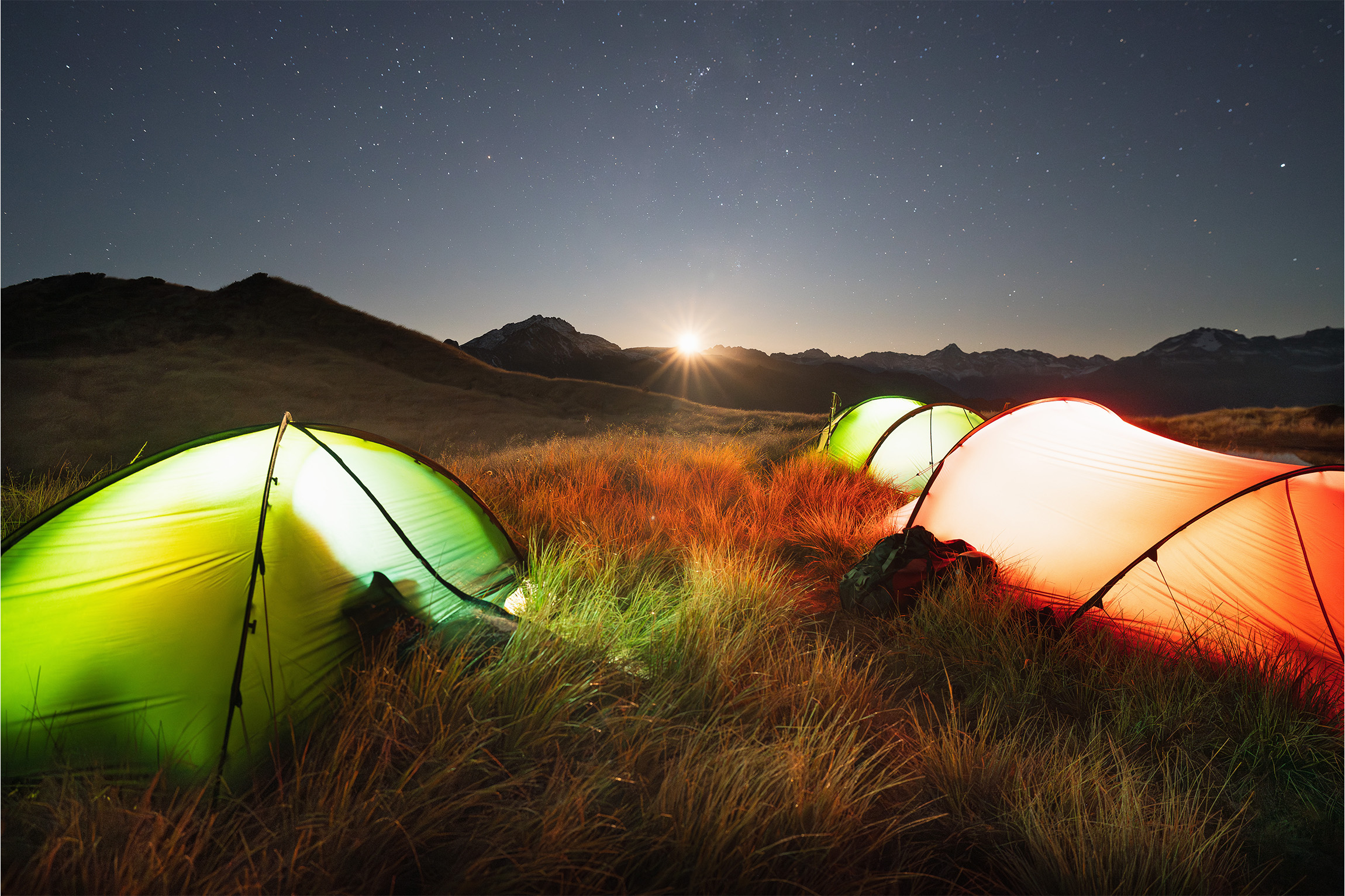
Outdoors, the story changes. Natural light is much brighter than electric light, and the darkness of night, unpolluted by lights and screens, lets melatonin rise naturally. The clear difference between night and day sends a powerful signal to prime your body for rest overnight.
Nature’s clock in the wild
Synching your body to the rhythms of nature might sound too good to be true, but researchers at the University of Colorado Boulder put the theories to the test. They found that just one week of camping was enough to reset the body clock to the natural rhythm of the sun.
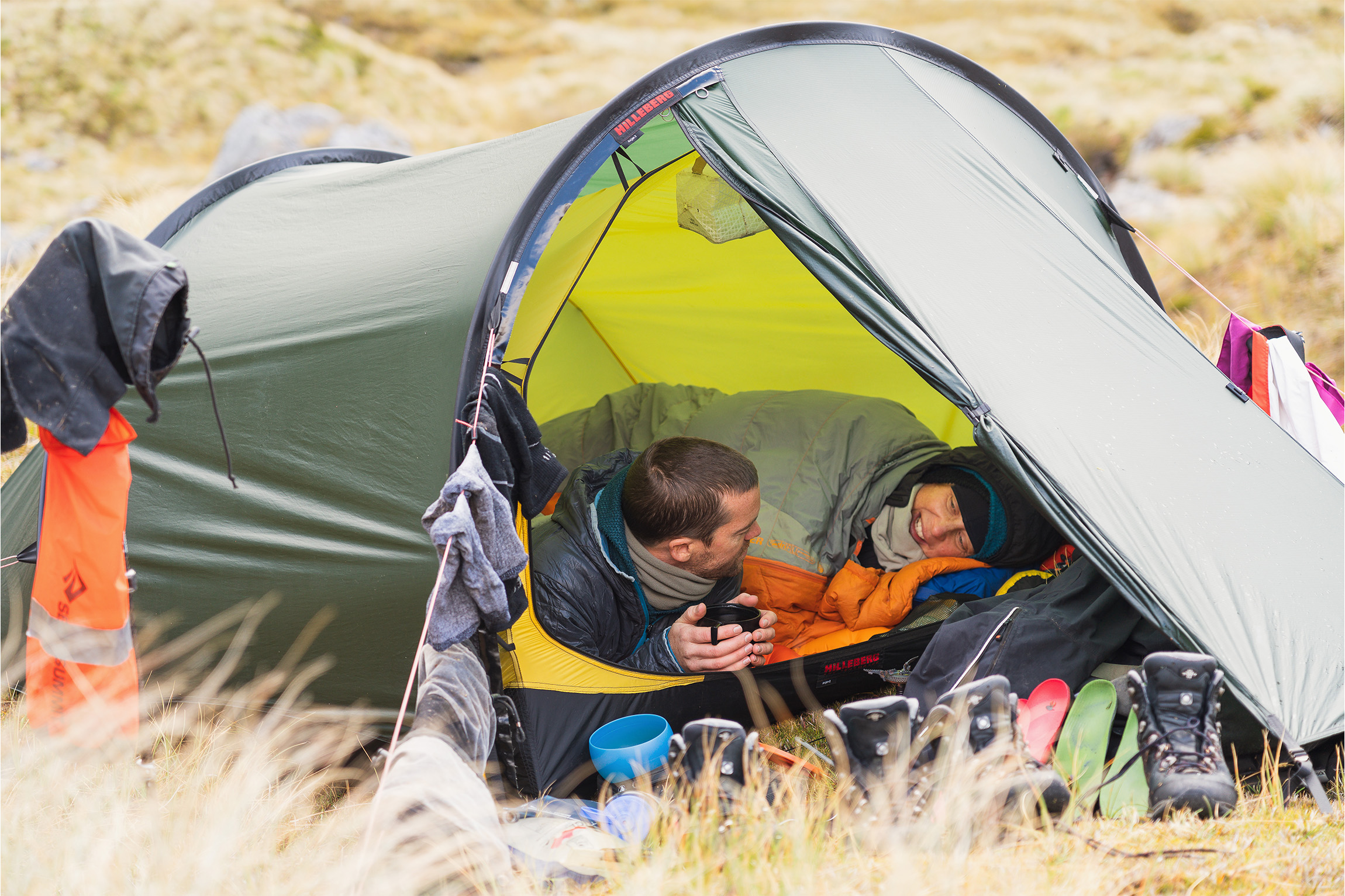
The first study took place in the middle of summer when each day had approximately 15 hours of daylight and nine hours of darkness. For the first week, participants followed their usual daily routines of work, school and social activities. For the second week, they camped outdoors without torches or electronic devices, with only natural light from sunlight and campfires. A week of sleeping in the outdoors shifted their internal clocks dramatically. They fell asleep an hour earlier. Melatonin, the hormone that prepares the body for sleep, rose at sunset and waned at sunrise, showing that their internal clocks were synchronised to the sun. Even a single weekend outdoors, in which they were allowed to use headlamps, achieved nearly 70 per cent of the same reset.
The study was repeated in winter when each day had around nine hours of daylight and 14 hours of darkness. Participants fell asleep around two hours earlier when camping but woke around the same time, giving them an extra two hours of sleep each night. Melatonin rose at sunset and waned around sunrise, meaning that winter camping lengthened the biological night while summer shortened it, showing just how sensitive our bodies are to natural light cycles.
The findings also give some hope for that fundamental battle between the larks and the night owls. After just a few days in the wilderness, all of them were waking and sleeping on a similar schedule, in time with the natural light–dark cycle.
The wilderness as therapy
Resetting your clock with a weekend tramp could help with more than a good night’s sleep. Researchers suggest that natural light exposure might help treat other sleep disorders, seasonal depression and even diabetes.
Each cell in our body has its own molecular clock ticking away, and the sun acts like an orchestral conductor to keep them all playing in time and in tune on the 24-hour cycle. During the day our brains and bodies are busy creating memories, building muscle and turning food into fuel. While we’re sleeping our body cleans, repairs and organises. When modern life dampens the signal from the sun, the clocks get out of sync and nothing works as well as it could.
Research shows that as well as resetting the timing of the clock, camping also strengthens the solar signal. During the summer the average light exposure was four times brighter during the week outdoors compared to daily life at home. When the study was repeated during the winter, the difference was even more dramatic: the average light exposure was 13 times higher when camping. These participants were active outdoorsy types living in sunny Colorado. The difference could be even greater for people who spend more time in dim indoor lighting.
A strong circadian rhythm allows our body to operate like a well-oiled machine. For example, when lunchtime is coming up, our stomach and intestines prep themselves for food before it hits our mouths, ready to turn lunch into the nutrients that power and build our bodies. When the circadian rhythm is weak and our internal clocks are out of sync, we’re more like a sputtering motor. Reconnecting with natural light cycles through outdoor activities can serve as a therapeutic strategy to realign circadian rhythms and improve overall wellbeing.
Trail-tested sleep tips
Of course, wilderness sleep isn’t always bliss. Noise from snoring hut companions or the wind rustling your tent can keep you awake. Thin sleeping mats and cold nights leave you uncomfortable, and dehydration, poor nutrition and muscle aches from the exertion of the day can make your body restless. Strange sounds can spark anxiety or racing thoughts. These challenges are part of the backcountry experience, and they explain why some trampers wake exhausted despite the natural idyll. Outdoor veterans know that a few smart tweaks can turn a restless night into restorative sleep.
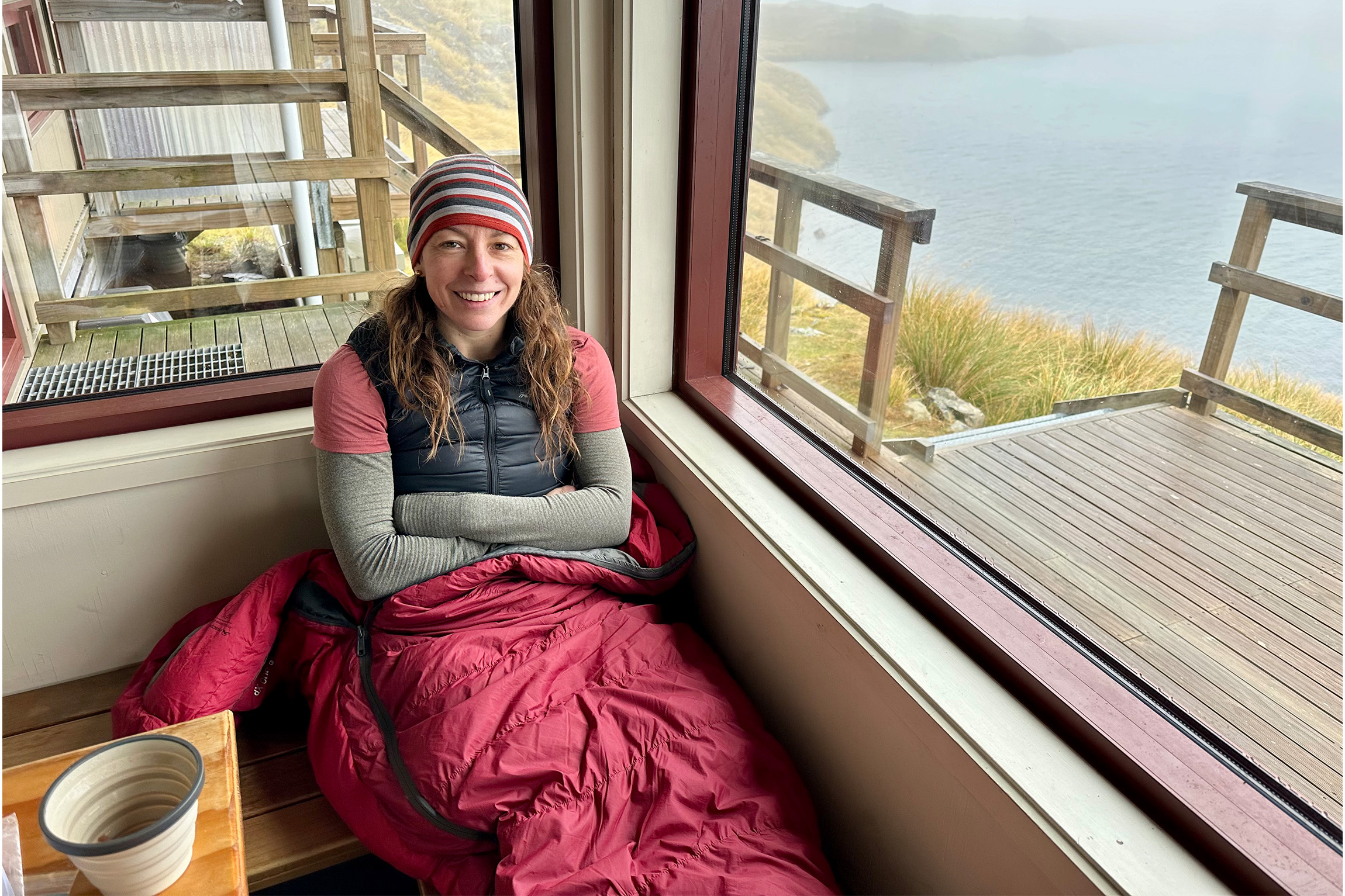
I asked some experienced trampers for their sleep tips, and all agreed that comfort is essential. Rosie Percival, a Wellington-based tramper and climber, says it only took one freezing night on Tasmania’s Overland Track to convince her to buy a sleeping bag rated to -15°C. Her Western Mountaineering Antelope is still going strong 15 years later, and she also invested in a lighter Sea to Summit Flame Fm111 for summer trips. She uses a Sea to Summit sleeping bag liner and a Nalgene drink bottle as a hot water bottle. When tramping with her partner, they use a Sea to Summit mattress connector to join their pads together – it gives more space in the tent and saves them from falling into the dreaded gap.
Allira Hanczakowski, a thru-hiking trail runner, says good sleep is essential for her multi-day adventures. She believes her pillow (a Nemo Fillo Elite) is worth the extra few grams, and an eye mask is especially important to block out light on bright summer nights and in campgrounds.
Bridie Mackey, a seasoned solo tramper, is also a pillow convert after years of using a lumpy stuff sack stuffed with clothes: “just get one,” she says. Her other favourite piece of sleep gear is cosy high-waisted merino leggings.
The conditions for good sleep start well before bedtime. Hanczakowski recommends choosing your sleeping spot carefully: she recalls setting up her tent on a 2000m pass in the French Alps and enjoying an incredible sunset. But once the sun went away the temperature dropped below freezing and she spent a sleepless night shivering in her summer-weight sleep gear.
The verdict
The wilderness offers the perfect conditions for rest: natural light, physical exertion and an escape from daily stress. Pair that with the right gear and mindset and you just might find that the best sleep of your life is waiting under the stars.
Tips for a better wilderness sleep
The right equipment can help you nod off quicker and for longer.
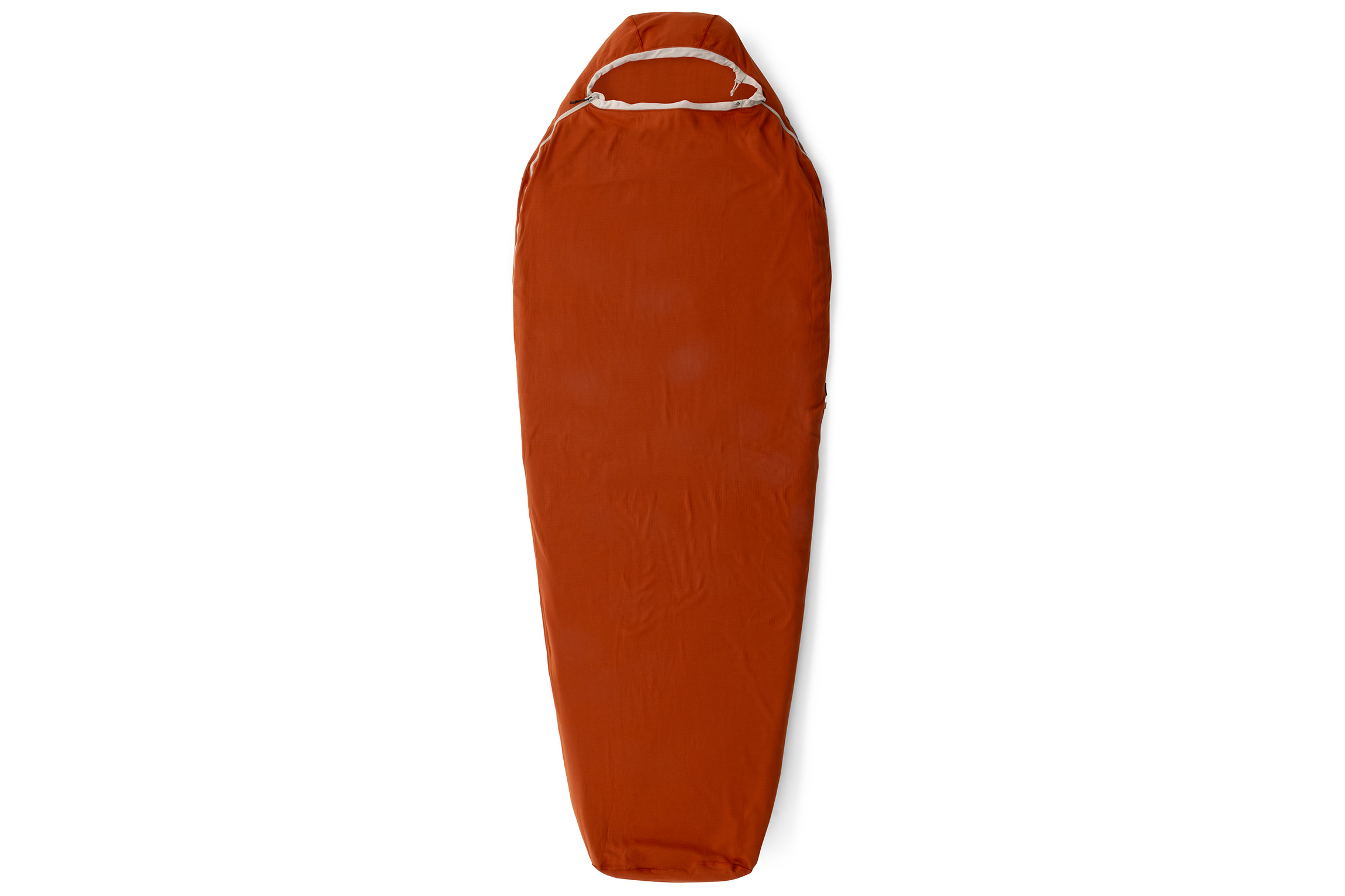
Sea to Summit Reactor Liner from $99.99
This liner is available in lightweight, midweight and fleece-weight options and can add a thermal boost of between 4℃ and 8℃ to your sleep system. Built from stretch-knit fleece with integrated armholes, it fits inside any sleeping bag and snaps into Sea to Summit bags for easier entry and exit. Quick-drying and machine washable with HeiQ Fresh odour control treatment. www.bivouac.co.nz
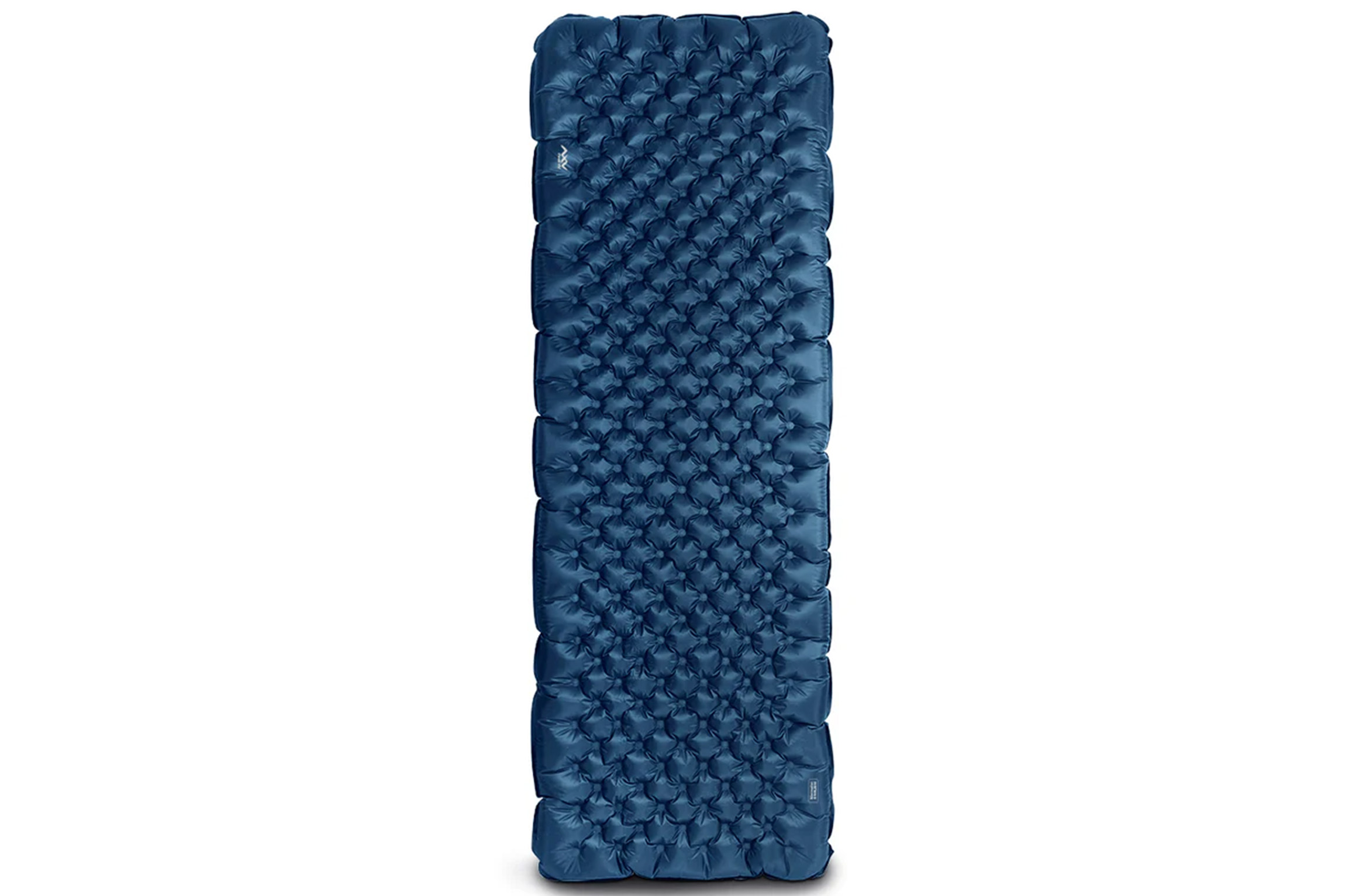
Peak XV MaxComfort $299.99
A plush 12cm-thick mattress with an all-season 7.2 R-value and 20D fabric for insulation from rough cold ground. Its rectangular shape maximises sleep space and there’s a pump bag for quick, hygienic inflation. www.dwights.co.nz
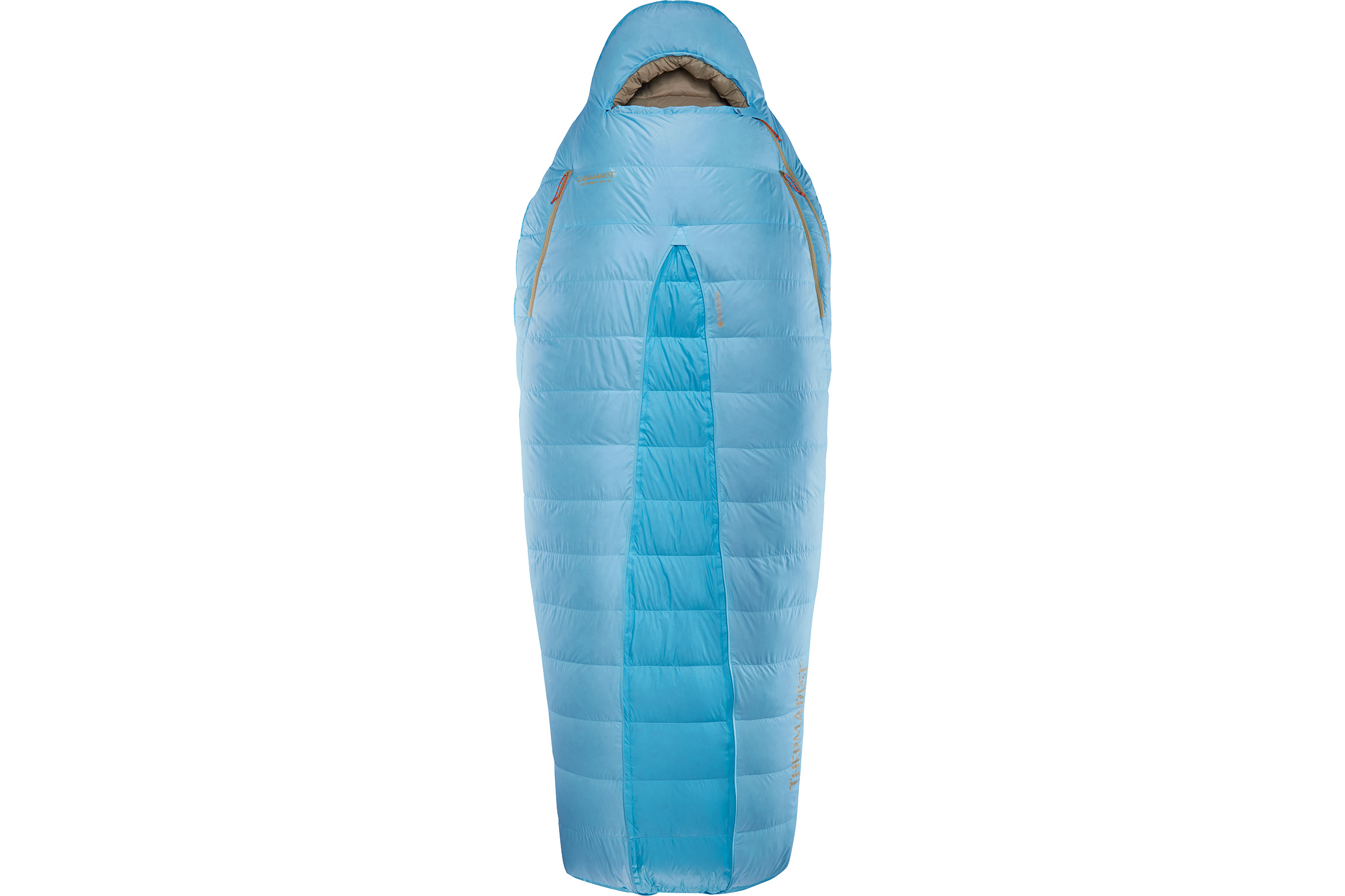
Therm-A-Rest Boost 650 -6ºC $789.99
The temperature rating of this bag can be increased by up to 6ºC thanks to the WarmZip, which transforms it from a semi-rectangular to a mummy bag. It also has a temperature-regulating two-way YKK anti-snag zipper and arm holes for freedom of movement or ventilation. 0℃ comfort rating. www.ampro.co.nz



