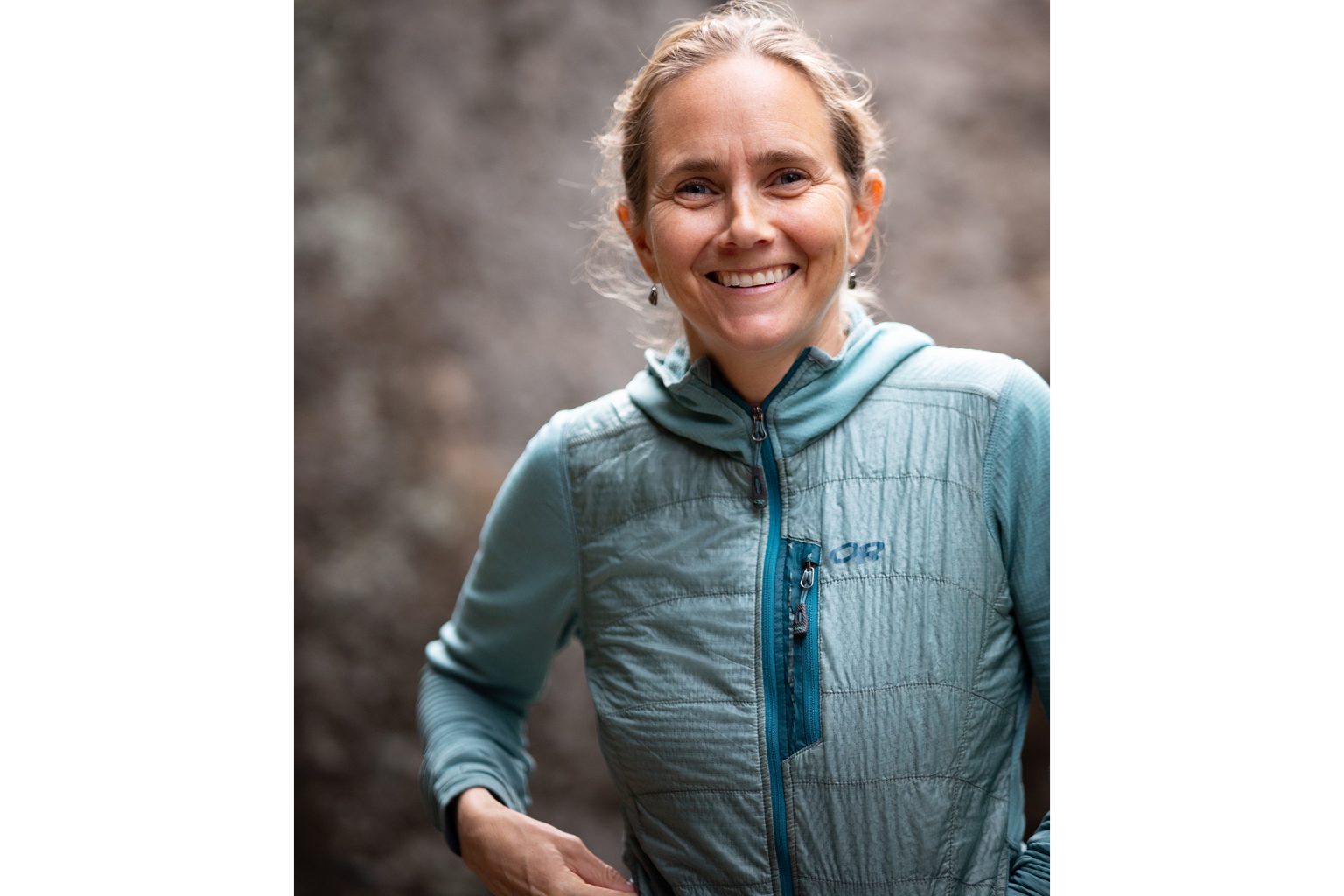
Elite American rock climber Beth Rodden is the keynote speaker at this year’s New Zealand Mountain Film Festival. She spoke to Wilderness about her acclaimed memoir A Light Through the Cracks: A climber’s story.
What is your book about?
It follows my life from a young adult to a couple of years ago. It’s written in three parts: part one is about being kidnapped in Kyrgyzstan* and how that impacted my life, part two is right after that happened when I dove into climbing because I didn’t know how to move forward, and part three is finally unpacking everything.
Why did you write it?
I wanted to write it for younger versions of myself. At different stages in my life it would’ve been great to have a book like this. I grew up in the 90s climbing community and it was filled with bravado. No one talked about feelings or failure or stuff like that. I wanted to show that we’re all human and that’s okay. That’s how I relate most to people – through shared stories and vulnerability.
You write about the pressure you felt to achieve early in your climbing career. What does being a professional climber look like now?
It’s totally different from when I was, say, 22. There are lots of different paths you can go on after pushing the limit. I’m still a sponsored athlete – at some point that’s going to change, I don’t know when. I do events with sponsors and work on product development. I still use my platform to engage with the community.
What climb has been your biggest teacher?
Perhaps The Nose on El Cap, as the terrain is so varied and it took everything I had to do it. But I could also say Magic Line, the hard climb at the end of the book that I couldn’t ever do. Without failing on that, I probably wouldn’t have learned the lesson that climbing for achievement is not a sustainable way to have climbing in your life. I didn’t learn much technically or physically on Magic Line, it was a lot of emotion and grieving. The Nose was a huge technical teacher and a lifelong dream that was realised.
I had wondered if your memoir was in any way a response to Tommy Caldwell’s book Push or the film The Dawn Wall, which also detail your relationship and Kyrgyzstan, but I listened to a podcast where you said you hadn’t read his book or watched the film. Why not?
I think it’s multi-faceted. I didn’t need to read about my life through his lens. It was a time we shared and he has every right to tell it in his way. I didn’t want to write in response. I think I’m a person who can be a little reactive – my shirt wasn’t red that day, it was blue, that kind of thing. I didn’t want to have those reactions and put that into my work. I wanted to write this book just from what I wanted to share.
How has therapy informed your writing?
Going to therapy showed me the power and strength in deep truth. If you go to therapy and just sugarcoat things it doesn’t really help you, but if you’re able to say your deepest feelings, at least for me, that was when I was really able to process things. In writing, that showed me I should be myself and be as true as possible on the page.
*While on a climbing trip to Kyrgyzstan in 2000, Rodden, her boyfriend at the time Tommy Caldwell and two others were taken hostage by rebel forces. They managed to escape after six days when Caldwell pushed their captor off a cliff.