I read with interest Guy Frederick’s article, ‘A Lofty Location for Brass Monkey’ (May 2026). It was an excellent story about a fine addition to the outdoor recreation possibilities in the Lewis Pass area.
The trapline route that Frederick’s party followed up Duchess Stream was cut and marked by the volunteer organisation Doubtless Conservation. Reading of their trouble in locating this route at the confluence of Duchess Stream and the Nina River, and then their difficulties in the scrub at the head of the valley, prompted action on our part. At the southern end of the trapline route we have put in some bespoke, handwritten signage to ensure Duchess travellers get to the correct starting point. Then at the head of the valley there are orange cylinders marking the way through the scrub between the forest exit/entry and the start of the correct spur that is taken to connect with Brass Monkey Hut.
Doubtless Conservation has extensive traplines around the Nina and Doubtful valleys, and I frequent these lovely valleys often. However, Duchess and Lucretia streams would be my favourites. I hope that Jackie Winters’ bequest that funded the building of the hut, the work of the Backcountry Trust and our track installation enable more people to enjoy this beautiful part of Aotearoa.
– George Moran, Doubtless Conservation
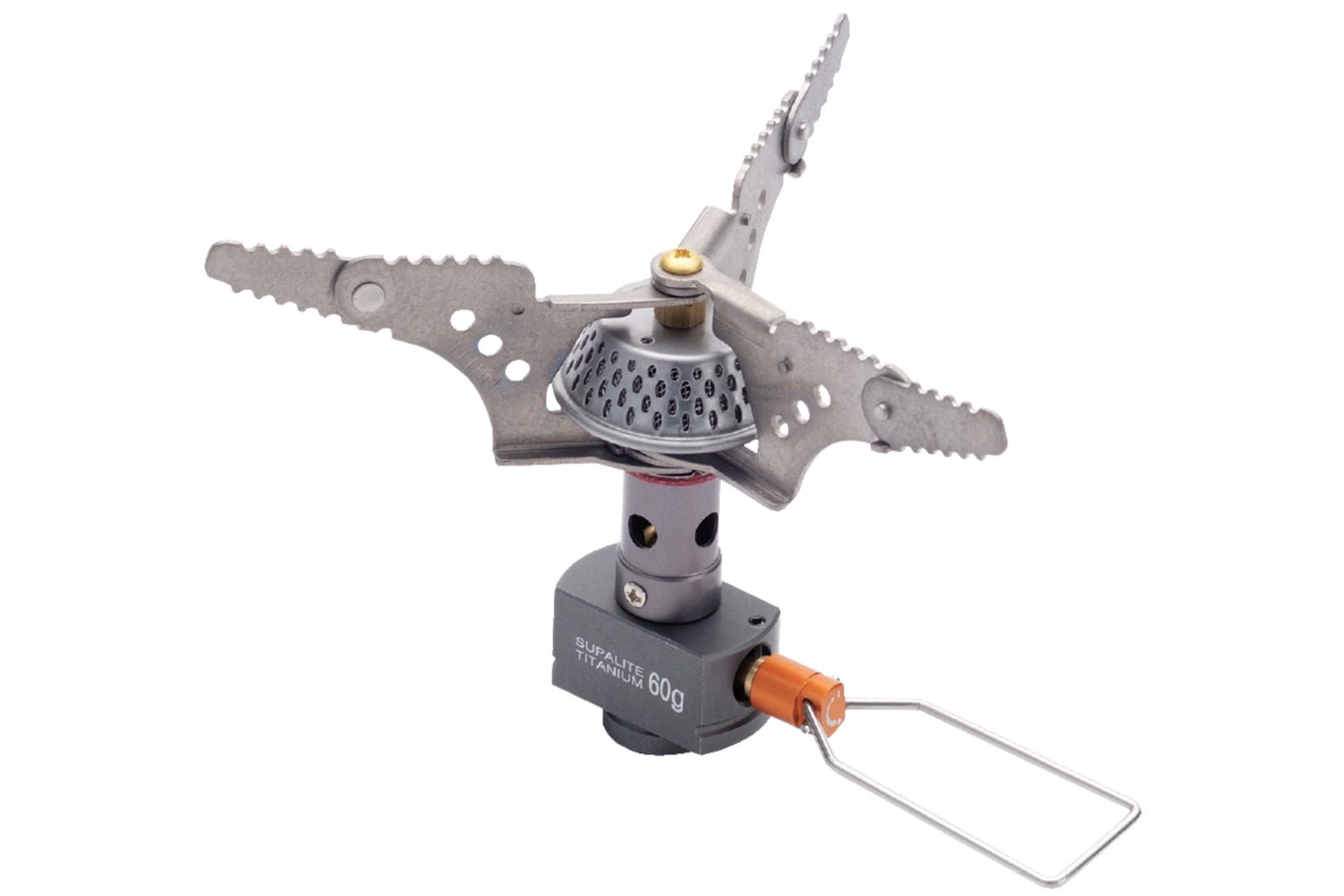
– For his excellent track-marking work, George receives a Kovea Supalite Titanium stove worth $119.99 from www.bivouac.co.nz. Readers, send your letter to the editor for a chance to win.
Why travel overseas to tramp?
Good on Wilderness for trying something different and including the feature ‘Seven overseas trails you’ll love’ (June 2026) – a decision that raised my interest along with my eyebrows.
Showcasing the endless variety of New Zealand’s own trails is what I love about Wilderness and what I believe is its unique selling point. By contrast, information and accounts of famous overseas trails is easily obtained in other outdoor, travel and social media and publications.
I was also intrigued at the timing of this feature. Promoting relatively expensive destination treks during a time of fuel shortage, hiked-up airfares and rising living costs at home seemed surprising. Surely now is the perfect time to lean into our own onshore offerings, which Wilderness does so successfully.
On the other hand, I enjoyed the ‘inspiration factor’ of this feature and read the write-ups to a family member bedridden in hospital – we trekked vicariously while eating Whittakers chocolate. And maybe that’s the point. Perhaps it is me who is wrong and too much a purist. Maybe a ‘tramping OE’, be it real or virtual, is just the ticket to realise the diversity of the wider world and better appreciate the wilderness out there in our own backyard.
– Lachlan McKenzie
– Some good points raised. On the timing of the feature, we plan these a few months in advance and hadn’t counted on fuel shortages and price hikes. – AH
Back on the bike
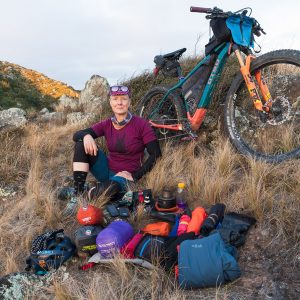
The story about riding e-bikes featured Ann Wheatley in the section titled ‘No longer a balancing act’ (July/August 2026). Ann described how her balance problems disappear when riding an e-bike.
As with Wheatley, my partner’s balance while walking isn’t the best these days but she persists daily. However, she had become reluctant to ride, fearing a balance issue despite her never having such when she does ride. Thank you, Ann, for encouraging my wife to saddle up again.
– Ken Dowling
What, you don’t use hiking poles?
We asked Wilderness Daily newsletter subscribers whether they use hiking poles. The majority – 67% – said they always take poles, 25% said they only use them sometimes, and 8% are holdouts and refuse to use them. Here are some of the responses we received.
“I like that it is a more full-body workout and use poles on full day or overnight tramps but not for shorter half-day walks. I’m 70, female and perhaps not as bendy as I was, so find poles helpful and reassuring. I often lend one to my tramping buddy – who doesn’t want to use poles in general – when he needs help navigating swampy mud-bog areas and creek crossings.” – Lorraine Joyce
“Poles are useful when the terrain is uneven but I don’t use them when it’s flat because I feel they hamper my walking freedom. When scrambling downhill, a pole seems like an arm extension. They are easy to leave behind in a hut so I attach them to my boots.” – Sue McNatty
“I only use poles for river walking and crossings.” – David McNabb
“So much more stability and strength with poles – do mountain goats walk on two legs?” – John Davidson
“I practically feel naked without them. Also they’re great for balance on rough tracks and river crossings and good for prodding overgrown tracks for holes and other hazards.” – Heather Pascoe
“I only use them when my pack is really heavy. I think if you use them all the time, you lose some of your natural ability to balance.” – Andrew Kingdom
– Sign up to the Wilderness Daily newsletter. You’ll receive a free recipe book and other newsletter-exclusive content along with polls, quizzes and more.