We had a family chuckle – and a groan – reading about the Wild Trip to Edwards Hut (June 2026). We recently completed the route through the Edwards and Hawdon valleys, which includes a stop at Edwards Hut.
A reminder for fellow adventurous trampers tackling this route and running your own car shuttle because it’s not a full loop track. The track ends are about 20km apart, so double-check that both of your car keys are in your pack before setting off.
We left one vehicle at Greyneys Shelter where we would finish, and drove the other back to Hawdon Shelter where we began our trip. Unfortunately, my husband only discovered the keys for the car at Greyneys were sitting in the wrong vehicle when the keyless entry did not work.
Kiwi generosity saved the day. While the kids and I entertained the sandflies and demolished our snacks, my husband hitched a ride back to Hawdon Shelter and returned with both my car and his keys – leaving us just enough time for a celebratory Sheffield pie.
A memorable lesson in trip planning; and another reminder that some of the best stories begin with a small mistake and end well with the generosity of strangers.
– Marcel Smithers
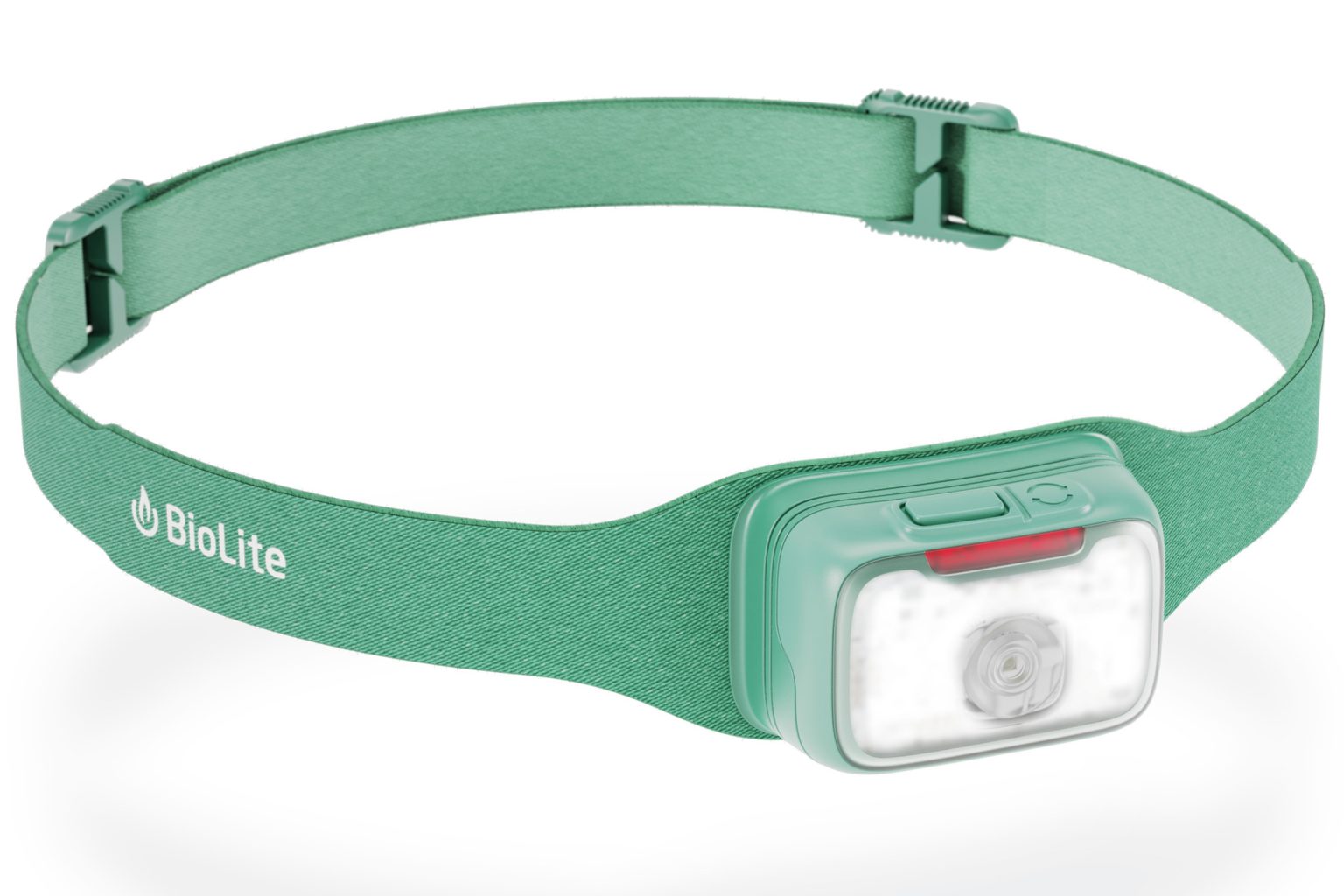
– Marcel receives a Biolite Range 400 headlamp worth $119.90 from www.ampro.co.nz. Readers, send your letter to the editor for a chance to win.
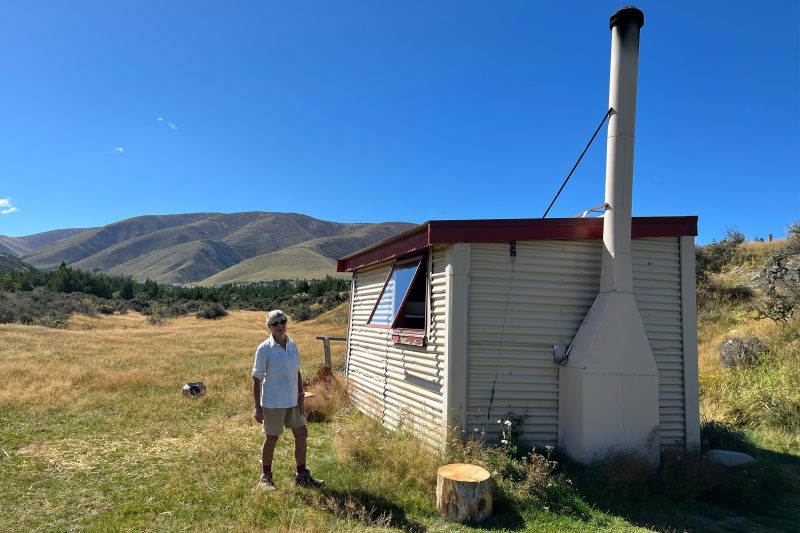
The trip to Baikie Hut in Ruataniwha Conservation Park (December 2025) inspired my own overnight stay. The hut is nestled in a sunny spacious clearing between a horse paddock and the cool clear waters of Twizel River. The big open country provides distant views in all directions and the track would be an easy ride for mountain bikers. I enjoyed the quirky nature of Baikie Hut with its uneven floor and unusual design.
– Joy Bryant
It’s a dangerous world outdoors, if the number of near misses Wilderness Daily newsletter subscribers have had is anything to go by. When we asked them how many near misses they had (noting a near miss could be a fall, navigation blunder, getting caught in a storm, prolonged cold, or anything that might have turned out worse if not for good luck, fate and your own or your group’s skill and preparedness), only 17% said none. A majority – 52%! – said 1–2, while 24% said 3–4 and 7% said 5+. Here’s a few of the responses:
Val Monk selected 0 near misses and said: “When I took up tramping in my mid-40s, I had the good fortune to join a group of careful and experienced trampers. Hence I avoided the time of youthful optimism plus inexperience when most accidents happen.”
Richie Thorne explained his 3–4 near misses thus: “A tree root caught my back pocket and saved me from a 3m fall. Also, my terrible sense of direction has led me to cliff edges more often than I can make excuses for.”
Frank Usmar has had 5+ near misses. The first was most memorable: “The first was being left alone near the top of Ruapehu by my dad when I was five years old while he went away in the murk looking for Crater Lake. Luckily he returned and found me after what seemed an awfully long time.”
Philip Baker has had 1–2 near misses and said: “I was 18 when I climbed Mt Peel (1743m) on a beautiful summer’s day. The people we were staying with told us the fastest time for doing this and we decided to try and beat this. Before reaching the top it was obvious my climbing mate was fitter than me and we separated so that he could go faster. I went on to the top and then found that going down was just as hard as going up. There was no track and I had not taken enough water or food. I found myself stumbling and resting frequently. I managed to get back to the tree line about the same time as the search party came out of it. Lessons learnt: walk at my own pace, don’t take dares, don’t separate from your companion, take extra water and food, and be prepared for all eventualities. I have enjoyed many tramps and day walks in the almost 60 years since then.”
Tricia Cutforth’s near miss involved a helicopter rescue: “I got lost on the track after Cyclone Gabrielle when trees had come down and I couldn’t find the track after getting around them. Managed to get a 111 call out late in the evening. LandSAR, local farmer and rescue heli came about midnight. Amazed and very embarrassed. ”
Lisa Gilbert said: “I’ve arrived at huts very cold, wet, tired and late a few times due to different factors such as starting too late in the day, the track being overgrown and too heavy a pack for fitness level. I also had a close call in the head of North Branch Temple Stream when a huge boulder shifted as I clambered up and it very nearly landed on my foot. ”
Earl Kennedy said: “I slipped above some bluffs while on a winter trip in the Ruahine Range, needing to self arrest. Had seconds to react.”
Joanne Williams recounted a scary trip to Tongairro National Park: “In 1985, six 15–16 year olds and two dads set off on the Tongariro Alpine Crossing with the plan to stay in Ketetahi Hut. When we got to Red Crater clouds came down and we could barely see where we were going. Everyone was getting very cold so the dads made the call to camp up there for the night – fortunately we had two small tents with us. One dad headed off in the white out and found a sheltered place. We put up the tents with rocks to hold them down and spent hours warming up. The next morning the weather had cleared and we walked back out to Mangatepopo Hut.”
(Sign up to the Wilderness Daily newsletter. You’ll receive a free recipe book and other newsletter-exclusive content along with polls, quizzes and more.)