As we celebrate New Zealand’s Great Walks in this issue, it’s worth asking: what makes a tramp great?
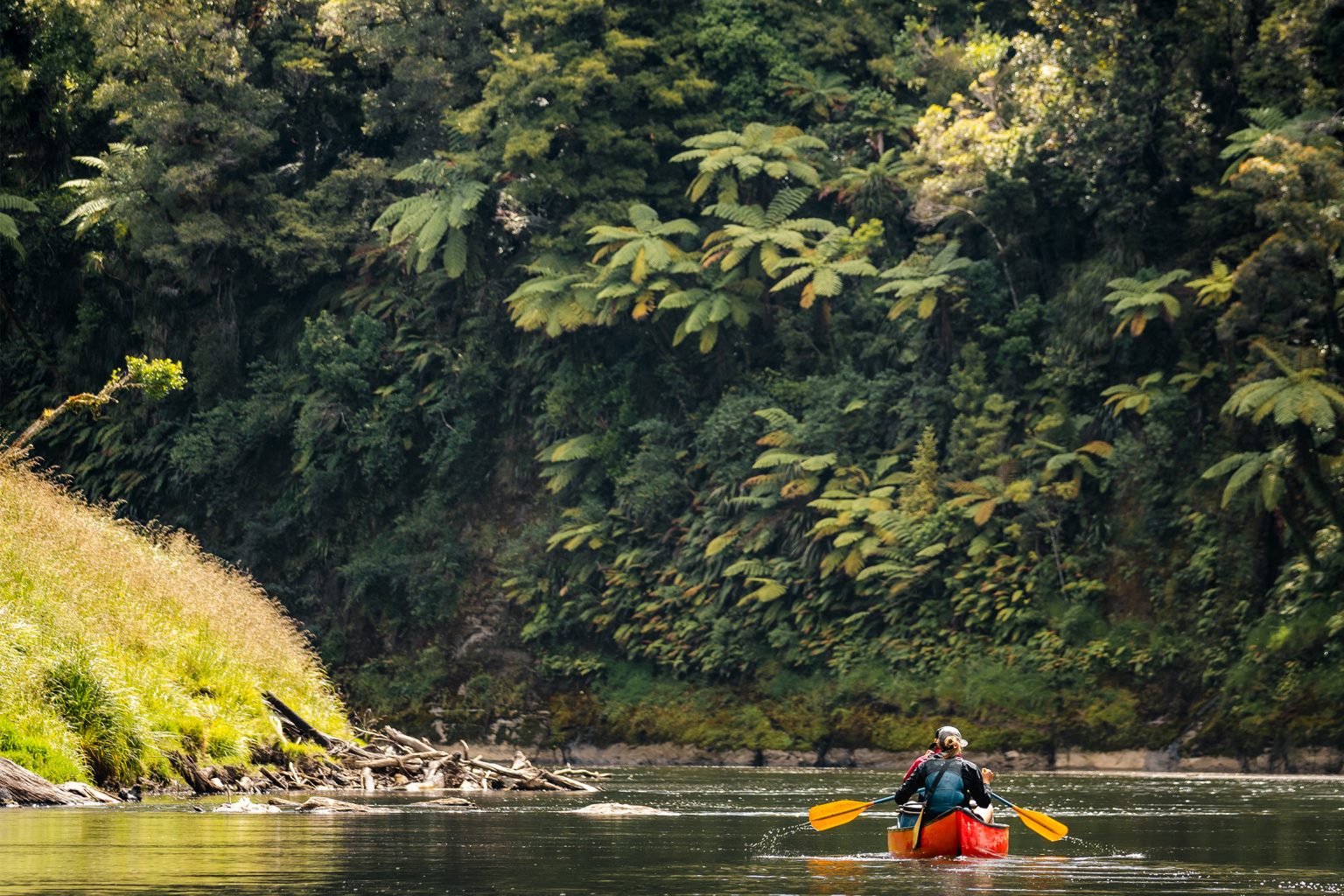
On the 10 tracks and one river that make up the Great Walks, you could say it’s the incredible landscapes traversed, though some may argue that other trails lead to places even grander, places that you can book at your leisure.
Good infrastructure – comfortable huts and well-graded tracks – can also make a tramp great, and, as predator control efforts ramp up around the country, the native flora and fauna you’ll encounter are also part of the greatness. In the story, Trackside taonga we’ve listed some of the birds and plants you might see on your Great Walk.
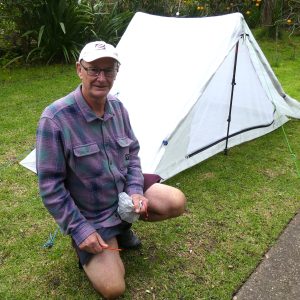
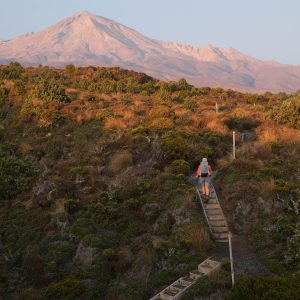
But as we discover within these pages, a track, trail or walk doesn’t need to have the word ‘great’ in its name to be truly wonderful. Uwe Stemmer has found greatness on Te Araroa, the 3000km-long pathway he has walked three times, drawn back as much by the scenic highlights as the diversity, ‘from the dairies in Auckland to the dramatic Tongariro Alpine Crossing’.
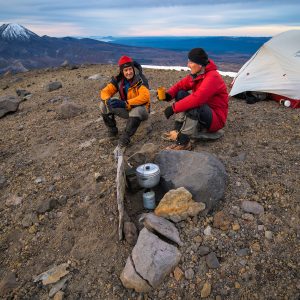
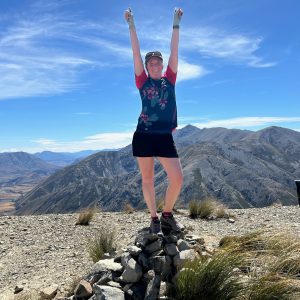
Peter Laurenson found greatness on an overnight tramp to Mt Alexander on the West Coast. Sure, the tarnside camping and views of the Southern Alps helped cement this as one of his best mountain trips, but it was also the ‘vertical ascent and the brutal terrain’, the satisfaction of navigating a tricky rock chute, the camaraderie of mates and the shared experience.
Closer to home, Trudy Ellis has found great joy in becoming acquainted with the bush giant dragonfly on the Kawatiri Coastal Trail where she carries out predator control work. Trudy walks with purpose to achieve the Walk1200km challenge, and in doing so is making the bush safer for native wildlife.
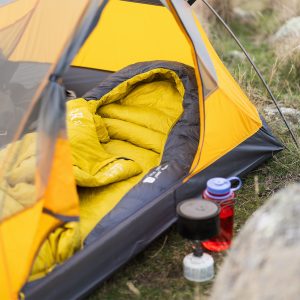
The important thing is not the name of the walk or the location, but simply getting outside. Scratch the surface of any walk and you’re bound to find something great.
Apply for the 2027 Shaun Barnett Memorial Scholarship
The coach steps ashore
Review: Rab’s Neutrino -6°C provides high-performing comfort for the long game
Circling the sleeping giant
Mt Lyndon, Korowai/Torlesse Tussocklands Park
Subscribe!
Each issue of Wilderness celebrates Aotearoa’s great outdoors — written and photographed with care, not algorithms.Subscribe and help keep our wild stories alive.