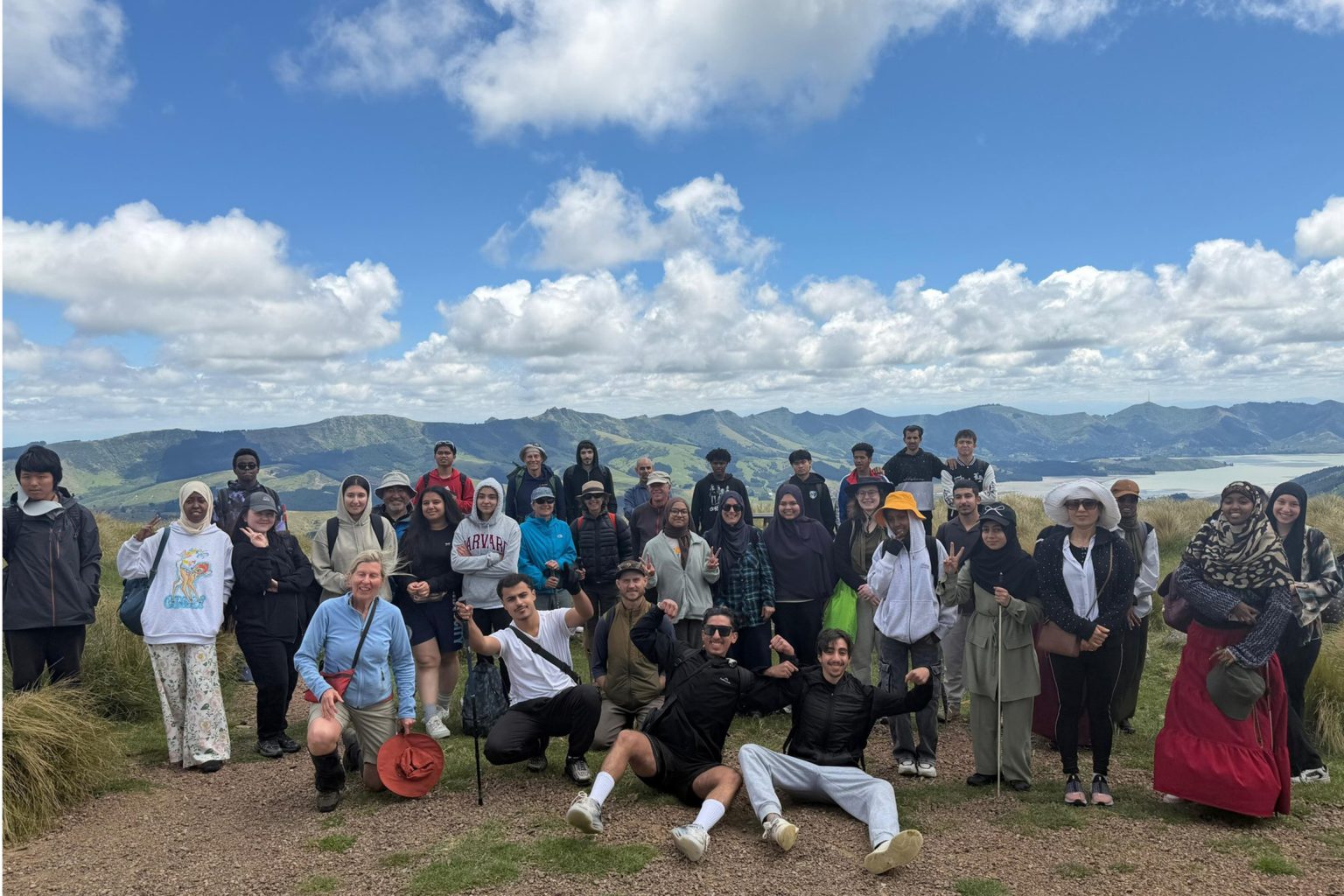
More than 180 former refugees and migrants have been introduced to tramping, thanks to a club youth programme.
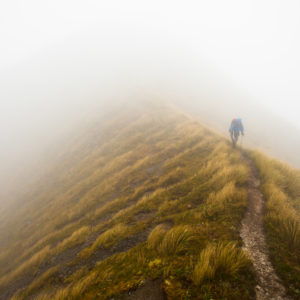
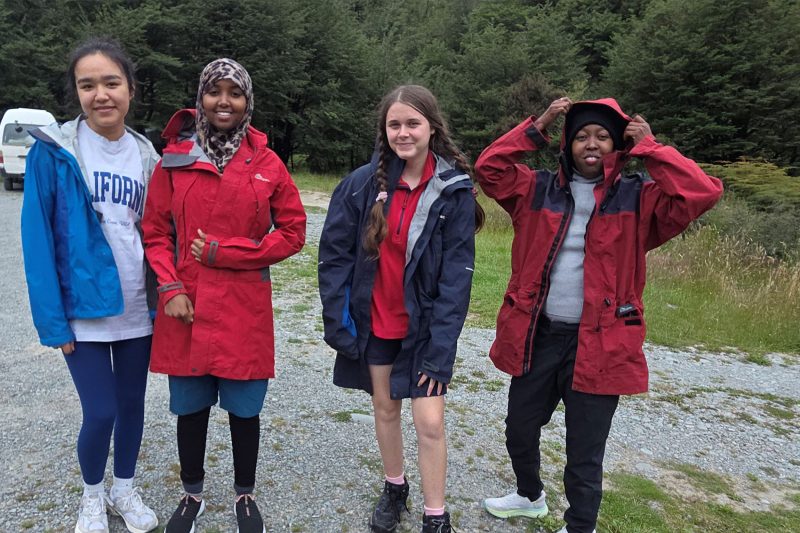
Clouds settle along the valley floor, blanketing 17-year-old Genya Yusuf and her friends in mist as they hike into Woolshed Creek Hut. Yusuf, a former refugee from Somalia, slips over on the muddy track but gets to her feet again.
Beside her, 19-year-old Afghani Zahra Muradi’s shoulders strain under her heavy pack. It is her first time carrying everything she will need to stay the night in a hut. “I hadn’t learned how to pack lightly yet,” she said.
When they reach the hut, both smile with glee, proud of their accomplishment.
“We had made it as a group, experiencing something new together,” said Yusuf.
Muradi and Yusuf are two of more than 180 former refugees and migrants introduced to New Zealand’s outdoors in the past four years by a Canterbury volunteer group.
The Brian Dougan Youth Programme, run by Christchurch Tramping Club (CTC), was conceived by member Liz Wightwick in 2021. Since then, participants have explored the South Island, from day trips to Ōtamahua Quail Island, Packhorse Hut and View Hill to overnight trips to Woolshed Creek. More than 20 different trips have been run – all for free.
“We try to get as many migrants involved as we can, because that’s the group in New Zealand who are not accessing the backcountry the way that Pākehā generally do,” said Wightwick. “There are more barriers. If you’re from a different country and your family has never gone tramping, then it’s so much harder to find out how to do it.”
Participants learn how to pack for a trip, follow a trail and what to do in emergencies.
The programme is funded through grants and from the estate of Brian Dougan, a former CTC member. Clothing, gear, transport and hut fees are included. “This takes away any barriers to participants,” said Wightwick. “And then we, as experienced volunteers, can teach them about tramping, the way our families did for us.”
The only cost to participants is providing their own food.
Hagley College teacher Lesley Cowie took 26 of her English language learners on a trip to Packhorse Hut in 2025 as part of the programme.
“It’s helping our students explore their back yard. They see something close to their house and learn how to get there, where to start the trail, what to bring, and how to get to the end of the trail,” said Cowie. “They can be within an hour or two of Christchurch and still see something so beautiful and amazing.”
The Packhorse Hut trip was the first day hike Yusuf and Muradi had ever been on; the Woolshed Creek trip was their first overnighter. “I was way more excited, especially to see the hut and meet the other people,” said Yusuf.
“I wasn’t nervous about spending the night away from my family, but my mum was nervous for me,” said Muradi.
“Also my mum,” added Yusuf. “She was a little bit worried, but she really likes me to go outside and get some outdoor education, and to spend time away from my phone.”
Without their devices, Muradi said, they enjoyed looking at the views, talking with more people and making new friends.
“I feel more confident now,” said Yusuf.
“More excited and relaxed,” added Muradi.
Building the young migrants’ confidence and experience means the participants are empowered to pass on this knowledge to other friends and family – a ripple effect of breaking down barriers to accessing the outdoors.
“My family supports me,” Yusuf said. “Go, they say, be outside. Don’t stay at home!”
She and Muradi have already signed up for the next trip: to Lake Daniell, where they are looking forward to learning how to build a campfire.
“My favourite hobby is hiking. I really like to hike and to see the beautiful view,” said Yusuf. “I think that’s a good experience for me.”