Winter navigation

August 2013

Read more from

August 2013

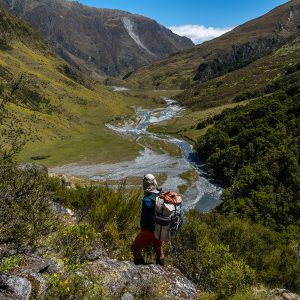
Stepping stones, like this fence, will help you stay on track in low visibility conditions. Photo: Michael Nuttall

Using stepping stones in low visibility conditions will help you stay on track

The shorter days and poorer weather experienced in winter mean those out exploring the wilderness need to be better prepared than if tramping in summer.

The same goes for navigation in winter. The likelihood of being caught in the dark, a snow storm or complete whiteout is much greater and you need to be able to navigate confidently to get to your destination so you can keep dry and warm.

Navigation at night or in low visibility conditions is sometimes more of an art than a science and is a skill worth practising before you get caught out. It is extremely easy to get disorientated when there are no visual references about.

Powerful lights are pretty helpful at night for seeing stuff but not in mist or snow and rely on fresh batteries to operate. A GPS may be of assistance you but they also rely on batteries. The stars and moon may be helpful but are little use when obscured by clouds or if you are stuck in a whiteout. So in low visibility conditions, a compass becomes the most vital tool for orientation and taking bearings.

When reading the map in these conditions it is important that you make good use of big features close by and combine them to create a set of stepping stones to reach your destination. Stepping stones need to be clear, distinctive features so that help you confirm your position. These can include high points on ridgelines, stream/side creek junctions and track bends.

If you think you need to pace count then do so because when you can’t see much everything appears much bigger and distances seem a lot further than in daylight.

Make sure you take the time to reconfirm your position at each of the stepping stones while keeping your compass handy and your map orientated – even if your mind plays tricks on you, the compass never lies.

Alistair Hall

About the author

Alistair Hall

More From Skills

Related Topics

Similar Articles

How to clean your hiking footwear

Mocktail energy balls

You can always change your plans

Trending Now

The 2026 Wilderness Outdoor Photographer of the Year competition

A tale of adventure and tragedy

25 huts to visit in 2025

A lofty location for Brass Monkey

Why we’re putting on weight

Subscribe!
Each issue of Wilderness celebrates Aotearoa’s great outdoors — written and photographed with care, not algorithms.Subscribe and help keep our wild stories alive.

Join Wilderness. You'll see more, do more and live more.

Already a subscriber?  to keep reading. Or…

34 years of inspiring New Zealanders to explore the outdoors. Don’t miss out — subscribe today.

Your subscriber-only benefits:

All this for as little as $6.75/month.

1

free articles left this month.

Already a subscriber? Login Now