What Gearshop has learned about gear, safety and trust.
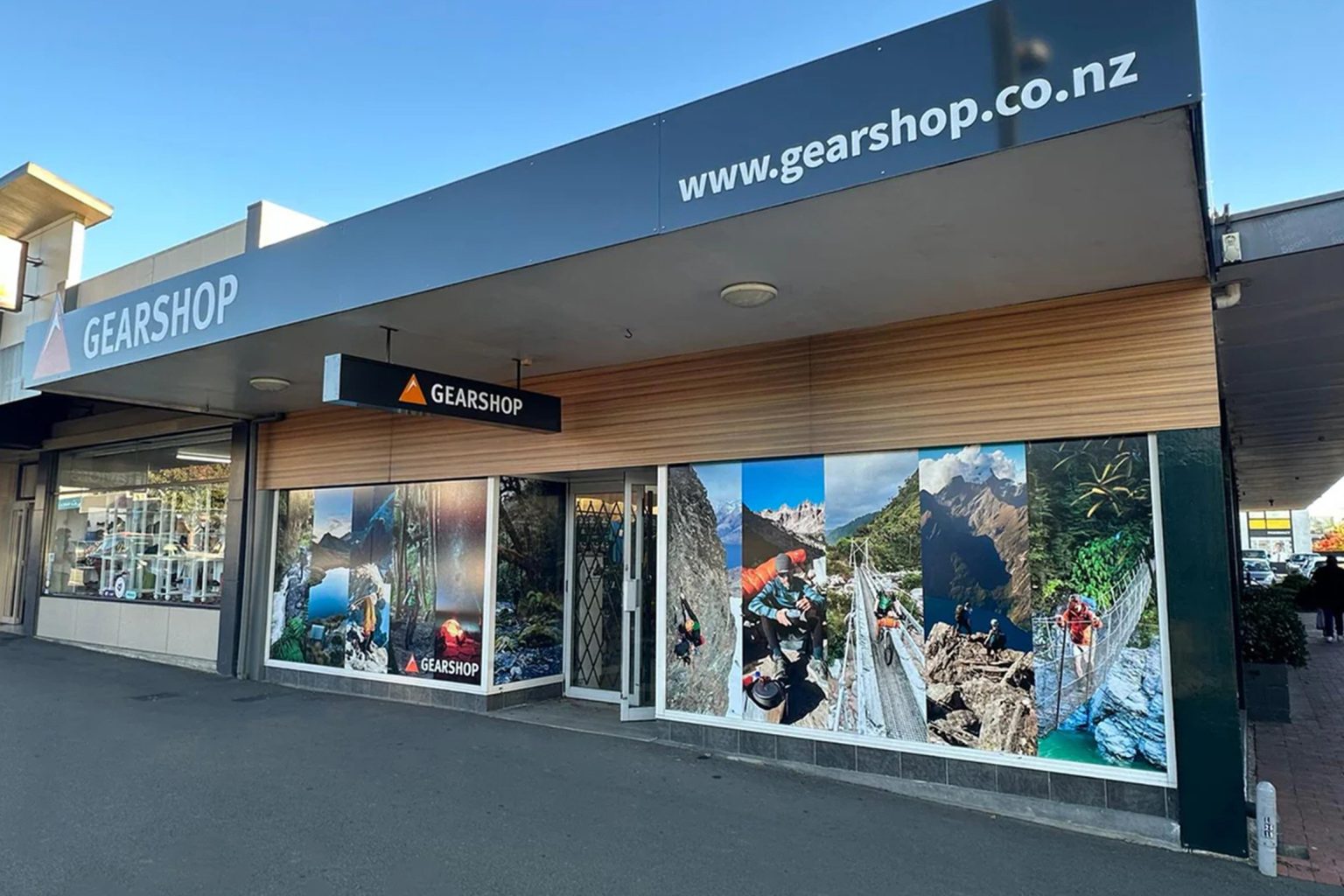
The pack you carry into the backcountry today is lighter, drier and smarter than anything available when Gearshop opened its doors in 2006. That gap – between what was possible and what was available in New Zealand – is exactly why Hamish Pirie started the business.
Pirie has been involved in search and rescue for more than two decades. He saw what good gear could do in the field, and what happened when it wasn’t there. “I started the business because I couldn’t find the equipment that I’d seen overseas,” he says.
In 2026, the business turns 20.
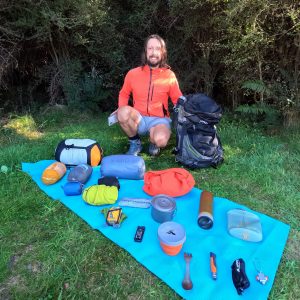
Gear has genuinely changed, and it matters. In 2006, most outdoor kit was heavy, bulky, and unforgiving when wet. Down insulation failed the moment moisture got in. Tents and packs were built to last, not to be light. Today, ultralight fabrics like Big Agnes’ Hyperbead have made shelters and sleeping systems a fraction of their former weight without giving up protection. Hydrophobic down and advanced synthetics stay warm even when damp. Better gear means more people can go further with less effort, and come home safely.
The safety shift is the one Pirie points to most. When Gearshop opened, personal locator beacons were new to New Zealand and largely unknown outside specialist circles. Now they fit in a jacket pocket, cost a few hundred dollars, and are standard kit for every trip. “The Ocean Signal beacon is a product that really stands out,” says Pirie. “The technology has changed what’s possible when something goes wrong out there.”
But better gear does not replace good judgement. Lighter packs and smarter safety tools have brought more people into the outdoors. The risk is that people arrive well equipped but under prepared.
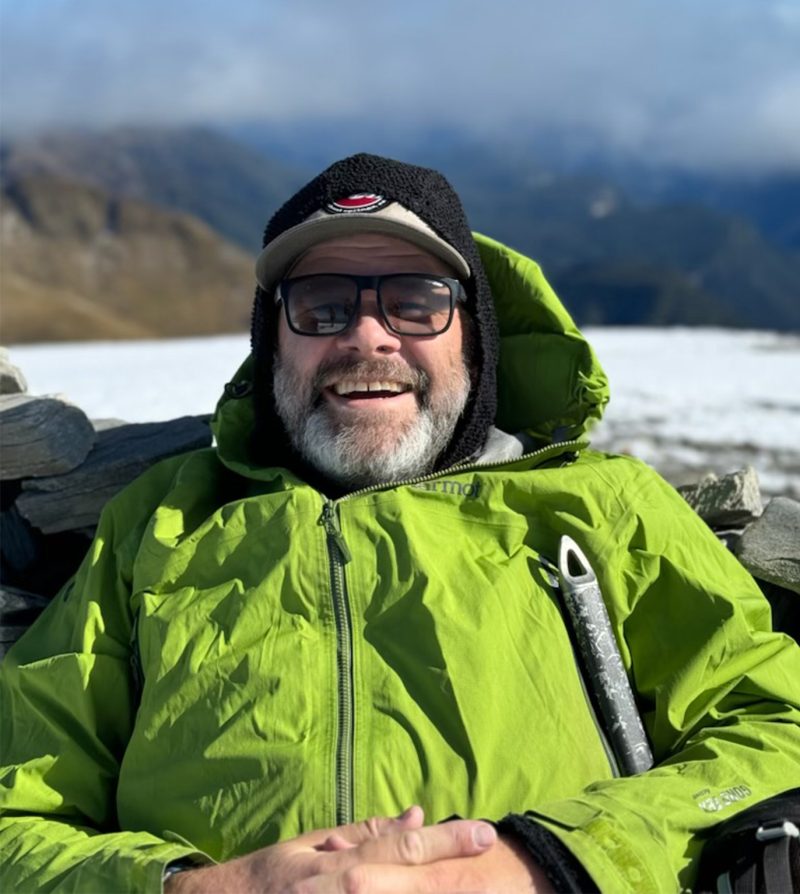
Knowing how gear actually performs in the field is where experience counts. Gearshop’s staff are climbers, trampers, kayakers and trail runners. They use the gear they sell. When someone is kitting out for their first multi-day trip, that shared experience shapes the conversation in ways that a product description never can. Pirie attends international trade shows each year, finding products before they reach the wider market and making calls about what belongs in a Kiwi pack. That on-the-ground knowledge is what separates useful advice from a sales pitch.
Gearshop’s commitment to getting people into the outdoors extends beyond the shop. The business sponsored New Zealand’s first free Via Ferrata on Tākaka Hill, which over 7000 people have already experienced. It is a small example of a bigger belief: access to good experiences, and the gear to support them, should not be out of reach.
The vast majority of Gearshop’s sales are now online. Customers are buying gear they cannot touch from a retailer they cannot see in person. That makes trust the basis of the whole business model, and a quality product offering is the way that trust is earned.
Gearshop stocks a wide range of products from local and offshore suppliers, many of whom are small, family-owned, multi-generational businesses who know their gear from the ground up. Many of the brands that Gearshop imports directly into New Zealand are unavailable elsewhere.
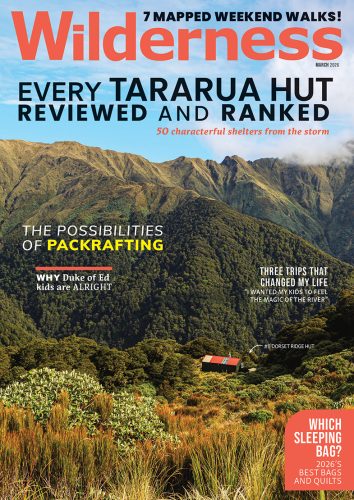
Gearshop has won the Wilderness magazine Online Retailer of the Year award twice and took four categories in the 2025 Most Trusted Business Awards, including New Zealand’s most trusted online outdoor and sports shop – all by public vote.
“We want people to trust the equipment we sell and the advice we give, and for them to have great experiences outdoors as a result,” says Pirie.
Gearshop is celebrating its twentieth anniversary with monthly giveaways throughout 2026 on Instagram, Facebook and in-store. Visit gearshop.co.nz.