We’ve heard of the classic Macpac Minaret and the four-season MSR Access … But what about the Ross Sea Party Tent?
The Imperial Trans-Antarctic Expedition of 1914–16, conceived and led by Sir Ernest Shackleton, was an attempt to make the first ever land crossing of Antarctica.
Another group, the Ross Sea Party, was responsible for laying supply depots across the Ross Ice Shelf for Shackleton and his men to use on the second half of their journey.
The Ross Sea Party arrived at McMurdo Sound on the Aurora and began to unload. Unfortunately, the ship was blown out to sea with the majority of the equipment still on board, leaving a party of ten men on the ice. The Aurora was forced to return to New Zealand without them.
Only one tent had been off-loaded. That tent, designed by artist and polar explorer George Marston, was different from the traditional pyramid-shaped Scott Polar Tent.
According to Shackleton, two men could erect it, it was lighter and could accommodate six people: “It is D-shaped, and made of steel tubing. It avoids that point [at the top of the tent], so you get the full benefit of your room. It is quite efficient.”
Meanwhile, Shackleton’s ship the Endurance became stuck in pack ice in Antarctica’s Weddell Sea, and a desperate attempt to survive the below-freezing conditions began.
Shackleton’s party was forced to abort the attempt to cross Antarctica. They camped on drifting ice then journeyed in an open boat to Elephant Island. From there, Shackleton and five of the crew made a daring 1290km crossing in the lifeboat to South Georgia to find help to save the rest of the men.
With no radio contact, the members of the Ross Sea Party who were marooned on the ice were unaware that Shackleton had aborted the transcontinental march. The ‘little green tent’ became ‘home’ to the men. The seven remaining members were rescued 725 days after arriving in McMurdo Sound.
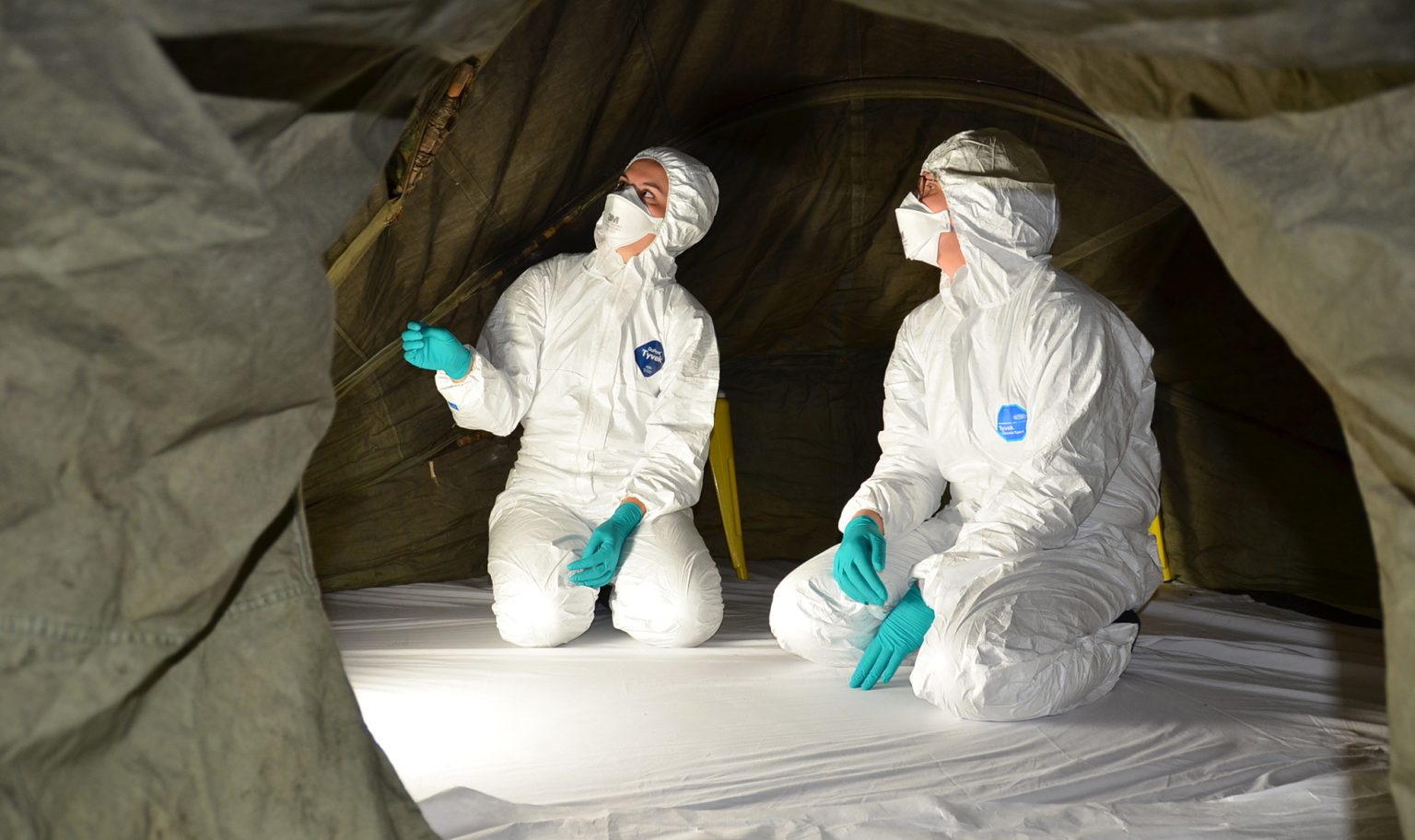
The tent was found in 1960 and now, more than 100 years after it was first used, the Antarctic Heritage Trust is working to preserve it, complete with its hand-stitched fabric repairs and traces of soot emitted by primus stoves.
Already a subscriber? Log in
Subscribe to read this article immediately and unlock exclusive 10-15% discounts at NZ’s best outdoor stores.
Cancel anytime.

Questions? Contact us