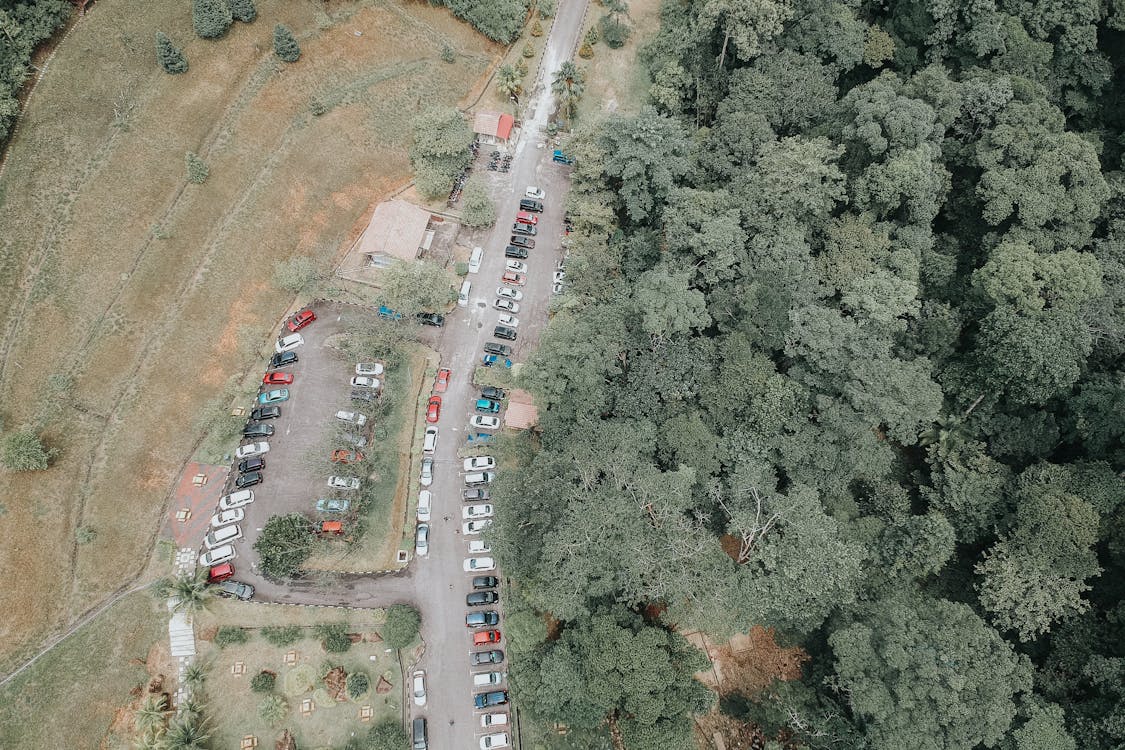
DOC says paid parking will continue at three popular South Island tourist destinations, with more potential sites expected to be announced later this year.
DOC said the money would go towards better protecting nature, cultural heritage and other projects. Heritage and visitors director Catherine Wilson said the pilot had been very successful and generally well received by visitors.
“Our monitoring shows that the introduction of paid parking hasn’t impacted on the number of visitors to these sites or the use of the car parks,” she said.
Wilson said DOC would make some changes as a result of feedback, including switching to half-hour rather than hourly increments, better signs and information, and cutting the 20-minute free period to 10 minutes at Punakaiki and Franz Josef.
The $10 annual permit for locals would also be a one-off charge and cover two vehicles rather than one. The paid parking pilot cost $3.8m to roll out over the 2025-2026 summer, funded by the international visitor levy.
White Horse Hill at Aoraki Mt Cook raised $826,739 across 56,438 transactions, while Franz Josef raised $383,183 and Dolomite Point (Punakaiki) raised $301,652. Read more from RNZ.
Can Florida serve as a cautionary tale for NZ conservation land?
Environmentalists in Florida are expressing concern over New Zealand’s proposed Conservation Amendment Bill, which they warn could enable the kind of unchecked development that they say has caused irreversible damage to their state.
Known for gators, guns, golf courses and theme parks, Florida operates very differently to New Zealand – especially when it comes to relationships between commercial interests and biodiversity.
The Conservation Amendment Bill (CAB) could change that; requiring the Department of Conservation to weigh economic opportunities, and devolving decision making around protected land to a handful of people.
“As a lifelong conservationist who has watched Florida get paved over in my lifetime, believe me, it could happen to New Zealand,” says Lesley Blackner, an environmental lawyer based in West Palm Beach.
Florida is one of America’s most biodiverse regions, supporting panthers, bears, alligators and more than 500 species of birds across 80 unique ecosystems. Still, even the most optimistic conservationists admit that unchecked commercial interests have left wild places in poor shape.
Blackner expresses sincere hope that New Zealanders study her state as a cautionary tale.
“Don’t let them screw up New Zealand, dear,” she says. “Ya’ll don’t know how good you’ve got it.” Read more from The Spinoff.
DOC to vaccinate endangered native birds against bird flu threat
The Department of Conservation will begin vaccinating some of New Zealand’s most endangered native birds against the highly pathogenic H5N1 bird flu virus as a precaution against its possible arrival.
The vaccination programme follows the recent detection of the virus in migratory seabirds in Australia, although the H5N1 strain has not been found in New Zealand.
DOC said about 300 breeding birds from five critically threatened species would receive the vaccine. They include kākāpō, takahē, tchūriwat’/tūturuatu (shore plover), kakī (black stilt) and kākāriki karaka (orange-fronted parakeet).
DOC senior science adviser and wildlife veterinarian Dr Kate McInnes said New Zealand was in a unique position to vaccinate some of its rarest birds before the virus arrived.
“We’ve seen the devastating impacts of this virus on wildlife in other parts of the world, and we want to reduce the risk to our precious native birds where we can.”
The vaccination programme follows a DOC research trial completed last year, which the department said was the first in the world to demonstrate the vaccine was safe and effective in five native bird species.
The work will begin this month, ahead of the breeding season, allowing birds time to develop immunity before spring. Read more from Stuff.
Canterbury rangers reveal their top five winter walks
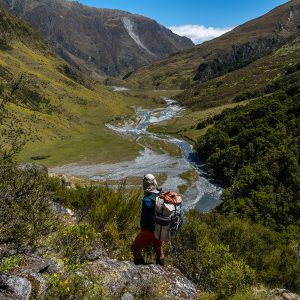
DOC rangers in the Canterbury region have revealed their favourite winter walking spots. The criteria were sun and/or views, dryness of the track, not too challenging and not too far away from Christchurch.
The number one spot goes to Awaroa/Godley Head. This track gets the nod for winter sunshine and warmth, views, proximity to Christchurch, and being an easy walking track. There are also new murals featuring World War II personnel by street artist Wongi Wilson on buildings which are next to the Awaroa/Godley Head gun emplacement.
DOC ranger Craig Alexander says many people in Christchurch don’t know about this walk or haven’t done it yet.
Rangers from the North Canterbury DOC office picked Kura Tāwhiti/Castle Hill, Bealey Spur near Arthur’s Pass, and Te Tautea o Hinekakai/Devils Punchbowl. DOC staff member Lily Toulson, 25, says getting out at this time of year is important for her, physically and mentally.
A little further south, DOC Operations Manager Tony Preston, based in Geraldine, says his number one winter walk is Mount Sunday. “The views are incredible, even while driving in. You feel like you’re on top of the world, and, of course, it’s a great walk to do on a Sunday,” he says. Read more from Scoop.
Listen: youth tramping programme helps kids explore the great outdoors
A programme facilitated by the Christchurch Tramping Club is helping introduce young people to the great outdoors, with more than 180 over-14s getting experience in the back country since it was set up five years ago. The Brian Dougan Youth Programme has been running since 2021 and more than 20 trips have been run – from day trips to Ōtamahua Quail Island, Packhorse Hut and View Hill to overnight trips to Woolshed Creek – all at no cost to participants.
Participants learn how to pack for a trip, follow a trail and what to do in emergencies. There’s a focus on introducing tramping and other skills, for those who would otherwise face barriers to the activity. It was set up by Christchurch Tramping Club member Liz Wightwick. Take a listen to this story from RNZ.
Proud parakeet parents raise 55 chicks
A pair of kākāriki karaka orange-fronted parakeets have produced 55 chicks – 33 in this season alone – boosting the critically endangered species considerably.
Nacho and Trixie, a mating pair since 2024, are part of the captive breeding programme at the Isaac Conservation and Wildlife Trust in Christchurch.
According to wildlife manager Leigh Percasky, Trixie is a ‘super-mum’: “The breeding season has ended and yet she’s still producing eggs and raising chicks. Ideally, we’d prefer her to stop so she can have a rest, but she shows no signs of that, with another seven chicks in her most recent clutch.”
Trixie came from an egg in the wild, and she’s breeding larger-than-normal chicks with Nacho. These offspring have been translocated to boost kākāriki karaka populations on offshore islands and elsewhere in the wild. Male kākāriki karaka play a crucial role in chick raising, with Nacho finding food for Trixie and the chicks.
Kākāriki karaka are Aotearoa’s smallest and rarest parakeet. The species has twice been declared extinct and then rediscovered, and the majority of the 450 remaining birds live in predator-free sanctuaries. Read more from Wilderness.