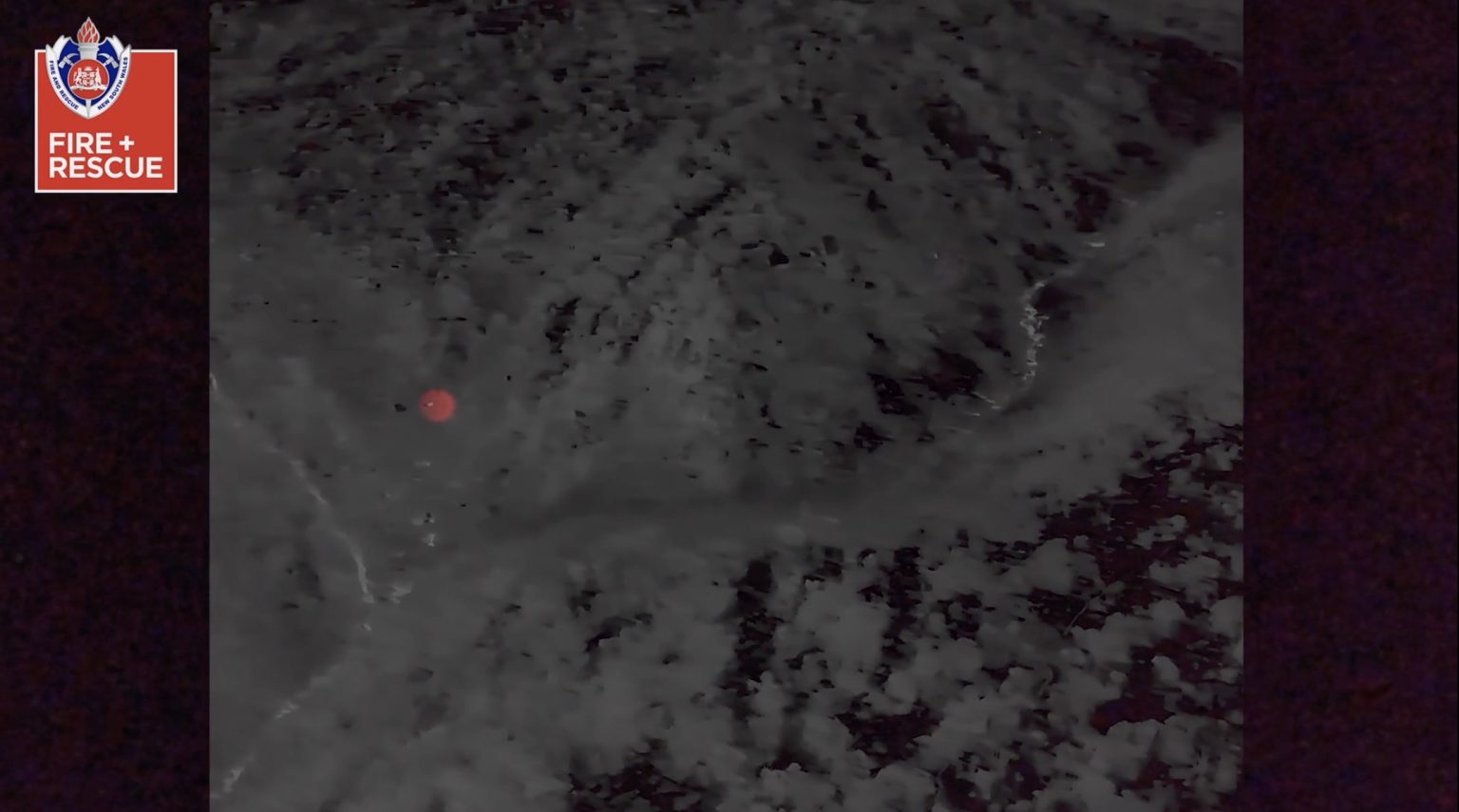
Two hikers who veered off a walking track in Kosciuszko National Park were found within five hours using a drone powered by artificial intelligence, a first-of-its-kind mission, Fire and Rescue NSW (FRNSW) said.
FRNSW’s remote drone used thermal imaging to find the hikers, while the hikers used a red light on a mobile phone to attract the drone in the dark. Its built-in speaker was able to talk to the hikers, and its spotlight guided them out of the park.
The incident was the first time the FRNSW drone’s AI detection system had been used to rescue missing people. The Fire and Rescue inspector and regional duty commander for the NSW Alpine area, Phillip Eberle, told the ABC the technology potentially reduced the search time by several days.
“It’s definitely helped make what could have been a long-term incident into a very short-term incident,” Eberle said. “It means less time on the mountain and less time looking for people, and reduced risk so that the volunteers can get home to their families quicker.”
He hoped that in the future, remote technology would progress so that drones could drop off emergency supplies and packages to stranded people while they waited for rescuers. Read more from The Guardian.
2026 thru-hikers are loving these 8 items
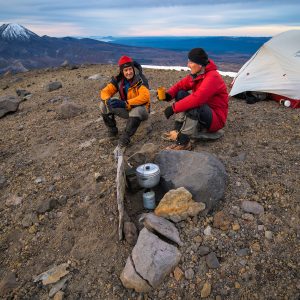
Halfway through the thru-hiking season for America’s longest trails, Backpacker talked with six thru-hikers to find out what items are their favourite pieces of gear they are carrying.
- Umbrella: The umbrella is a widely debated piece of gear. While some hikers find umbrellas unwieldy, many others swear by them for both sun and rain protection.
- Outerwear: In colder seasons and at higher altitudes, down outerwear such as puffy jackets and pants can be crucial for staying warm through the night.
- Filter-Compatible Reusable Bottles: Plastic bottles are popular, but given concerns about microplastics, they may not be safe to reuse for months on end. Reusable options are safer and generate less plastic waste.
- Sleeping Pad Pumps: Manually blowing up your sleeping pad can lead to mold growing inside. New pumps are featherlight and save your lungs after a long day.
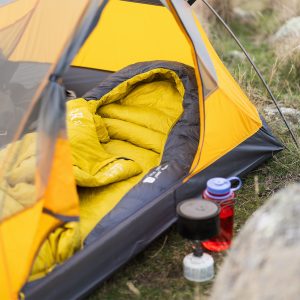
- Sleeping Bag Liners: Hikers love sleeping bag liners for hygiene reasons and modularity. On cold nights, they can add 3-4 degrees of warmth to your sleep system without adding weight.
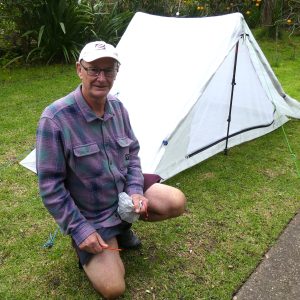
- Single-Wall Tents: These tents are ultralight and set up with trekking poles, saving weight.
- Backcountry Bidets: A travel bidet keeps everything nice and tidy without the added inconvenience of having to pack out or bury toilet paper.
- Bum bags: Stashing snacks and other small items in these small bags saves taking your pack on and off several times a day.
Paddling duo take on 1,600km wilderness kayak race
A pair of 20-year-olds are set to become the youngest ever duo to take part in the world’s longest kayak race. Oliver Smee and Ben Watkins will paddle 1,600km through the Canadian and Alaskan wilderness next month.
The Yukon 1000 will see Smee and Watkins kayak for 18 hours a day for up to 10 days, all whilst having to plot their own route and be completely self-sufficient.
The best friends are both taking on the challenge to raise money for charities that have supported their grandparents in recent years, including Race Against Dementia. “Both of them [were] incredibly influential people to my life,” Watkins said of his grandma and step-grandfather, who died in September and December 2025.
During the race, the pair will have to traverse the Yukon River – including the Five Finger Rapids
The pair will be the youngest to ever take on the challenge, which Watkins said was “an honour”. Read more from the BBC.
Ngāi Tahu, DOC launch five new ‘national parks of the sea’
After years of work and legal battles, five new marine reserves are about to open along the Otago and South Canterbury coast, protecting some of Aotearoa New Zealand’s most endangered species.
These “no-take zones” – located between the Waitaki River and Milton – mark a historic partnership between Ngāi Tahu and the Department of Conservation Te Papa Atawhai who will share decision-making power over them.
Edward Ellison, head of Te Rūnanga o Ōtākou, the local representative of Ngāi Tahu, said the marine environments contain special elements that are important to the iwi.
“There’s a canyon… there’s coastal reefs, marine mammals – just such a variety of species there. But it’s also the connection to us in terms of our customs and our history, and we couldn’t be separated from them, so the importance of us remains as a part of them forever going forward.”
The reserves cover over 300 square kilometres of Otago’s coastal marine area. From July 1, all fishing, harvesting, and mineral extraction will be prohibited. Read more from One News.
NZMFF book winners: Diving memoir takes top honours
Stories of community conservation and underwater adventures have taken top honours in this year’s New Zealand Mountain Film & Book Festival book awards.
Caring for Kahurangi: The inspiring story of Friends of Flora by Sandy and Robin Toy won the Mountain and Adventure Heritage Award. Illustrated with photos by Ruedi Mosimann, it is about the successful 25-year effort to restore biodiversity on the eastern edge of Kahurangi National Park.
Whales, Snails and Lobster Tales by Andrew Penniket won the Mountain and Adventure Narrative Award. The underwater cameraman’s memoir draws on five decades of adventures across the South Seas, from Antarctica to Milford Sound and including encounters with whales, orcas and giant cuttlefish. Read more from Wilderness and see the full list of winners below.
Mountain and Adventure Heritage finalists
- Aotearoa Light: Moments of wonder and realisation in New Zealand wilderness by Peter Laurenson
- Mountains to Climb: The Canterbury Mountaineering Club, 1925–2025 edited by John Wilson
- Caring for Kahurangi: The inspiring story of Friends of Flora by Sandy and Robin Toy
Mountain and Adventure Narrative finalists
- Whales, Snails and Lobster Tales by Andrew Penniket
- Kim: A journey between worlds by Kim Logan
- Bill McLeod: Mountaineering legend by Ross Cullen
Highly commended titles:
- Emilie Walks Te Araroa by Emilie Bruce and Victoria Bruce
- Eden: A portrait of mountain biking in Aotearoa New Zealand by Nick Stevenson
- The High Pathways by Paul and Shelley Hersey