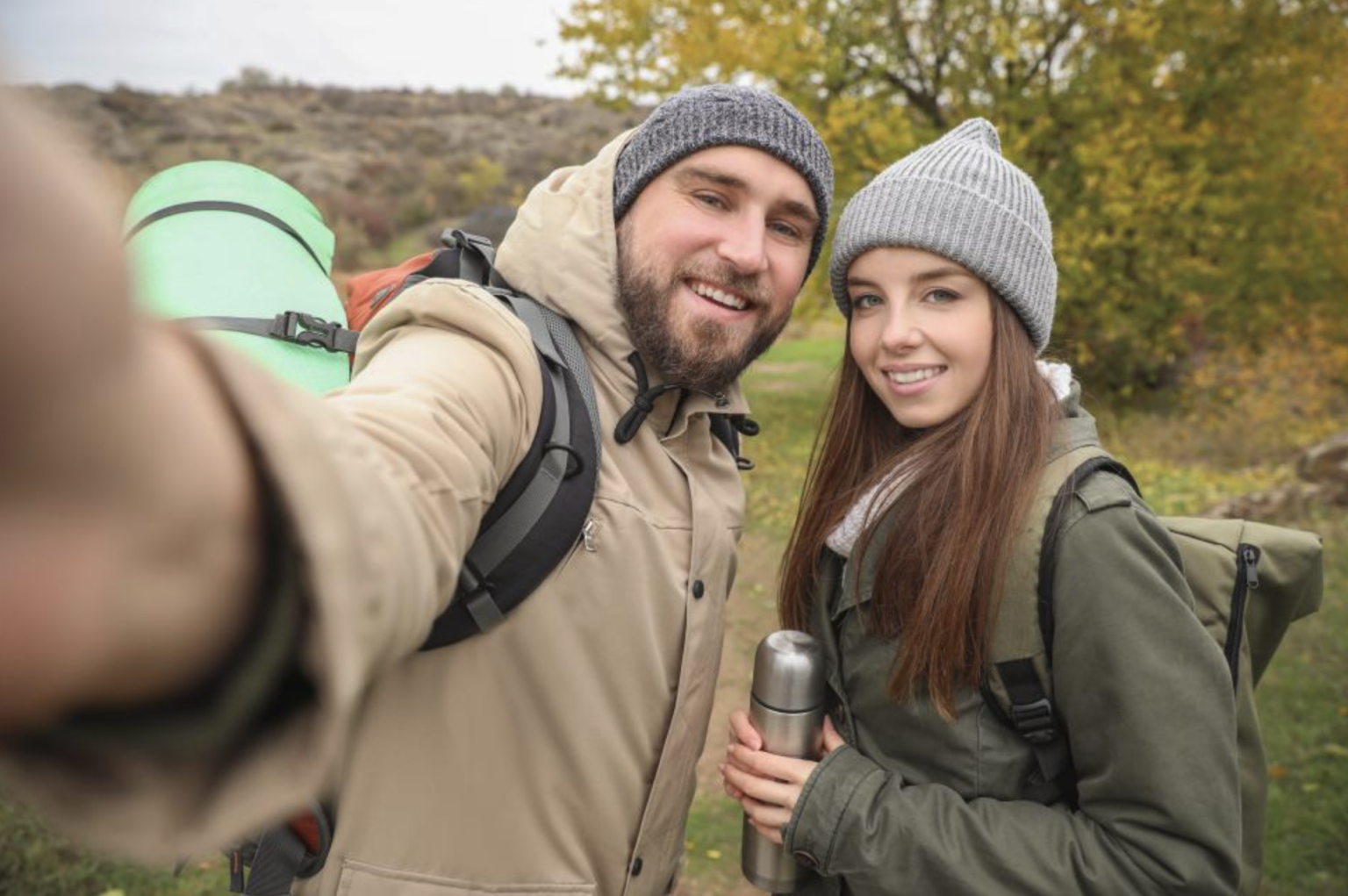
Social media content creators will need to pay $100 for the new ‘Enthusiast Business Licence’, which will enable them to go to Tasmanian national parks to gather content for which they receive payment.
Payment includes endorsements, sponsorship, and being given accommodation and travel, equipment or clothing. The licence is for solo content creators who engage in small-scale filming and photography using handheld devices and removes the need for public liability insurance.
The license replaces a previously complicated, expensive process, according to adventure influencer Michael Atkinson, who posts online as Outback Mike. “I needed to get public liability insurance for $20 million, pay a fee of around $450, apply 28 days in advance [under the previous rules] and, for me, that wasn’t worth the amount of money,” he said.
He said he did not agree with the idea that because a government runs a national park, they are owed money. “That would be like CASA (Civil Aviation Safety Authority) demanding money any time the atmosphere is in a shot,” he said.
Tasmanian Parks Minister Nick Duigan said the change was made to make it easier and cheaper for influencers to come to Tasmania to create content. Read more from the ABC.
Bushcraft lessons offer ‘safe space’ for men with autism
Sessions in which autistic men on the Isle of Man are offered the chance to learn basic outdoor survival skills have become a “safe space” in which they can “relax” in nature, feel calmer and better regulate their emotions, those taking part have said.
The Neurotribe group is run by the charity Soul Adventures, which provides outdoor sessions designed to improve overall wellbeing. Founder Kate Burquist said Soul Adventures grew from her experience working with autistic students at University College Isle of Man.
She began by taking students on hiking trips and later introduced a group of nine autistic boys to the Duke of Edinburgh’s Award scheme. “This exposure to nature was really helping with their emotional regulation,” said Kate.
Participant David Brody, who was diagnosed with autism and ADHD as an adult, said he had noticed the effect of “blue and green spaces” on his mental health. The 34-year-old said spending time outdoors had “a profound effect on my brain wiring” and to “come outside into nature… you start to relax”. Read more about the Soul Adventure charity from the BBC.
Remote tech begins a ‘new era’ for conservation
A pilot scheme trialling an advanced satellite-enabled remote network of sensors in DOC toilets could be the first step towards a revolution for New Zealand conservation and a route to delivering significant cost, carbon, and time savings.
The pilot Connected Conservation programme, funded in partnership with One NZ, will see around 50 smart sensors installed in toilets, huts, and wastewater systems across some of New Zealand’s most remote tracks. The pilot will also trial the use of smart traps and trail cameras to remotely control and monitor pests.
Karl Beckert, Director of Monitoring and Insights at DOC, says this pilot could be a game-changer for supporting critical conservation work across the country. “Currently a lot of DOC’s work relies on estimating when servicing and intervention is needed but, as usage and needs change, this has to change too,” says Karl. “This partnership is helping us explore new tools to rethink how we have traditionally operated in these environments and take a smarter, more targeted approach.” Read more about the programme from DOC.
New Auckland shared pathway receives award for accessibility
A new section of a popular shared pathway that will eventually connect two of Auckland’s harbours has been recognised for creating a safe and accessible space for people of all ages.
A section of the Te Whau Pathway – the Horowai connection – opened last month, from the Te Atatū intersection of the Northwestern Cycleway to Horowai/Roberts Field.
The shared path is 1.3 kilometres of 4 metre-wide boardwalk sections and 3m-wide concrete paths, and since it opened in March, has been used by thousands of people.
The Te Whau Pathway Environment Trust received the Outdoor Access Champion award from the Outdoor Access Commission, Herenga ā Nuku Aotearoa. The national recognition honours individuals and groups for significant contributions to public outdoor access in New Zealand.
Commission chief executive Dan Wildy said the Te Whau stands out for the way it puts communities and accessibility at its centre. “Te Whau Pathway shows what’s possible when communities design their own access to their local environment,” Wildy said. “It’s a project that opens up the Whau River for people who live nearby – including kids – in ways that are safe, inclusive and connected to homes and communities.”
The commission received 12 nominations this year, and two outdoor spaces and an individual were chosen as winners. Read more from The Post.
Weedbusters work hard to remove invasive plants
Volunteer groups and regional councils in the South Island have been tramping across conservation areas over autumn to protect high-country landscapes from invasive plants.
Ten volunteers from Hurunui Biodiversity Trust (HBT) set out along the Molesworth border between Canterbury and Marlborough to remove small to medium Scots and contorta pines. “Despite some big wins, like removing the seed source of old shelterbelts, much of the work is about holding the line against reinvasion,” HBT trustee Gill Dalmer said, adding that current funding from the National Wilding Pine Control Programme is barely sufficient to achieve even this.
A second effort, an annual trip to the Upper Ōhau catchment led by Environment Canterbury, worked on preventing invasive species like old man’s beard, cotoneaster, Russell lupins and rogue willow seedlings from becoming established.
This programme began in 2018 and has resulted in reduced densities of several of these target weeds. “This catchment is one of Waitaha Canterbury’s most unique and intact alpine landscapes. Staying on top of weed threats protects those values for the long term,” said Gina Slee, team leader of South Biosecurity and Biodiversity. Read more from Wilderness.