

Have you recently booked a Great Walk? Maybe you’ve landed a hut booking after years of meaning to, or perhaps it’s a friend’s big birthday, and a multi-day hike seems more memorable than dinner out.
Either way, you may be wondering how it’s all going to happen. To save you the hard work, we’ve spoken to seven people who have recently completed their first Great Walk – in their sixties or seventies, with children, or as an adult family group wanting to make memories. Together, they cover the worries you’re probably having.
Am I fit enough?
Almost all the people we spoke to do some physical preparation before setting off. Their training mostly involves walking up and down hills and, importantly, carrying weight. Alice Stonehouse, who did her first Great Walk at 15 with her sister and mother and has knocked off five more since then, recommends doing lots of stairs: “It’s the best training,” she says.
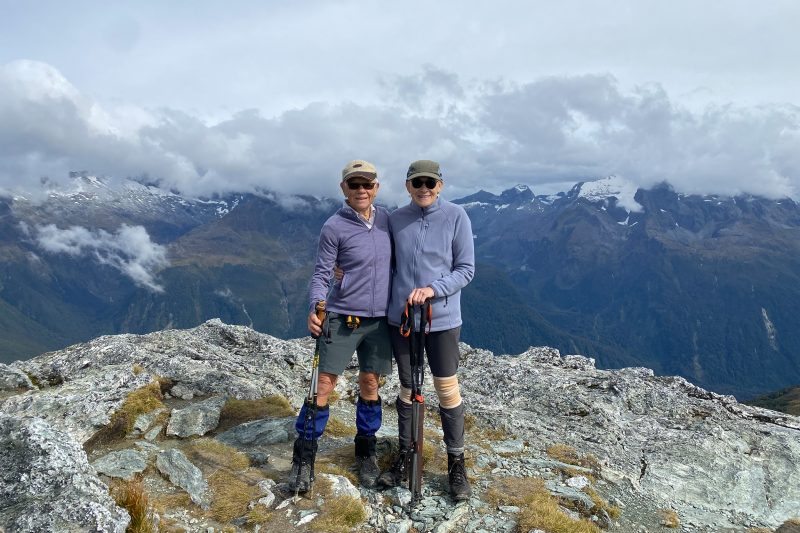
Marion Douglas, who tackled the Milford Track in her seventies, joined two U3A hiking groups and loaded a couple of bricks into her day pack when walking locally. She saw a physio two months out for exercises to strengthen her knees, which, she says, also strengthened her glutes and quads. “When strong winds on the Milford Track forced me to squat down and push my poles in on an angle, I knew I’d be fine.”
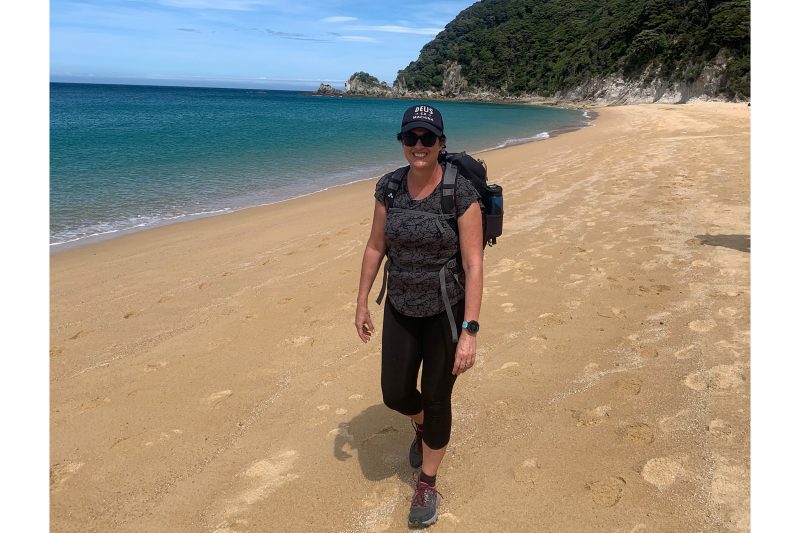
Michelle Wilkinson, who first walked the Abel Tasman at 45, didn’t do any specific training other than her usual running and walking the dog. “I was completely unprepared for carrying a pack, though – and a heavy one, too.” For her next Great Walk, she trained in the hills with a loaded pack.
The message for first-timers: get used to carrying weight before you go.
What do I really need to carry?
Less than you think. Everyone we spoke to said the same thing: don’t overpack.
Wilkinson’s first pack, a borrowed 65l, weighed 17kg when fully loaded. “I made the rookie mistake of packing a beach towel, hoodie, trackies, pyjamas, and most of it I never wore. Now I have a 55l pack and it’s never more than 12kg – and that includes water,” she says.
A well-fitted pack and comfortable boots are at the top of the list of those we spoke to. Deborah Riley, who came to tramping after weight-loss surgery and a triathlon in her late forties, went through four pairs of boots before finding ones that fitted her “wide feet with funky toes”.
Douglas agrees, and says that hiking poles are also on her essentials list. “I’ve also added a PLB, a sleeveless down jacket, a water straw, merino knickers and a small battery pack to my gear list.”
Riley says you don’t have to get it all at once. She picks up tramping items at op shops or when they’re on sale, and asks family members for store vouchers for birthdays and Christmas so it doesn’t hit her pocket too hard.
Stonehouse’s non-negotiables are a 2l water bladder, half a roll of toilet paper and a pack of cards. Wilkinson loves her Kathmandu pack, boots and poles. For Mareile Stoppel, 69, who paddled the Whanganui River Journey this year for the first time, the heroes were a lightweight rain jacket, and dry bags that saved everything when she capsized. “It’s good to check what will be provided at huts and what you need to bring for yourself.”
When should I book transport and accommodation?
Short answer: book early. You’ll have locked in your hut bookings already and you’ll know the direction you’re walking in, so it’s also worth locking in any transport requirements or pre- and post-accommodation well in advance.
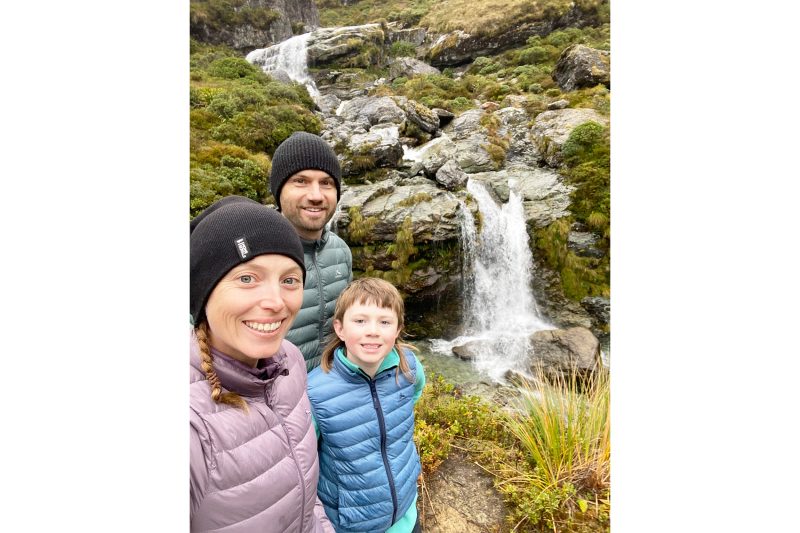
Smithers, who tramps with her husband Rowan and ten-year-old son Perrin, recommends booking accommodation off-track to stay both the night before and after as a buffer against weather and flight delays. “You will always be tired on the last day, and it’s not worth pushing on or needing to rush just to make ‘travel time’.”
Shuttle operators, water taxis or car relocators can get booked up quickly for popular times of year and popular tracks like the Milford, so booking in advance is crucial, especially if you’re travelling with a big group. It’s also worth checking the cancellation terms in case your party shrinks or grows.
Riley prepares logistically: “I read all the DOC guides, Wilderness articles and tramping blogs so I know exactly what I’m doing and what to expect.”
What happens when it all gets hard?
It does get hard, but rarely when you expect it. For Stonehouse the challenge was occasional boredom over six to eight hours of walking each day. To cope, she invents word games with her sister and looks forward to a hot chocolate and a sweet treat at the hut.
For Douglas and Smithers the challenge is sleep. “It’s not a quiet and restful night’s sleep in the huts,” says Smithers. Douglas swears by earplugs, an eye mask and a painkiller before bed, and finds these often lead to better sleep than at home.
The universal fix for everyone is food. Smithers’ family mantra of ‘food is mood’ has saved her from many a challenging moment with her son. “We watch for the quietening chatter and small grumbles and aim to have regular snack and rest breaks every 30–45 minutes.”
And when things genuinely go wrong, it’s often other people who get you through. When Mareile Stoppel’s canoe capsized at the notorious final rapid on the Whanganui, a group of fellow canoers she’d met four days earlier hauled her and her companion to shore. “This camaraderie made all the difference to our experience,” she says.
As Natalie Fountain summarises, the fact that it is hard is really the point. “You find that you can do hard things, and the reward is definitely worth it.”
What else do I need to know?
There’s nothing like getting out there and experiencing it for yourself, but lean on online communities for details such as what to cook, logistics for specific locations or weather updates. Riley and Wilkinson also recommend the rangers as sources of information. “It’s well worth turning up for the hut talks, because they know the area intimately.”
And the payoff? Stunning landscapes, vistas and sightings of kiwi and kākā were all cited as top highlights of people’s trips. Wilkinson adds, “I was genuinely surprised by how well we all coped being out of range and off devices. It was like a factory reset. I definitely recommend it.” Smithers enjoys the slower pace of tramping with her family. “There really is no rush. Take your time. Stop often.”
And as those we spoke to said, be prepared to catch the hiking ‘bug’.
Picking the right track and letting the children lead as much as possible were top tips from the parents we spoke to. Families with very young children often start their Great Walk adventures with Abel Tasman Coast Track, as it’s not technical and has the appeal of beaches and settled weather over summer.
“Let them carry a little of their own gear. And give them something to anchor the trip to, whether that’s kiwi spotting or waterfalls or figuring out how flushing toilets could work remotely,” Marcel Smithers says. “The mental load is high as a parent, so having standard routines that are predictable for kids can make a huge difference. We invested in a small frying pan to go with our cooking system, because pancakes for breakfast absolutely make the best start to the day!”
Michelle Wilkinson’s hack on Abel Tasman Coast Track was to get the packs ferried to the next hut and just carry day packs. “And keep reminding your children that we can all do hard stuff!” she says.
Consider a guided first walk, as Marion Douglas did, with Ultimate Hikes or another provider. “The guides are brilliant, and there are clear processes to assist if issues do arise,” she says. With research, fitness preparation and the right safety gear, Douglas says any older person should be able to tackle a Great Walk with some confidence. “See a physio before you go to get some strengthening exercises, and make sure you have good boots and poles,” she says.
Stoppel recommends trying out all your gear before setting off, including safety gear. “This made it much more comfortable along the way.”
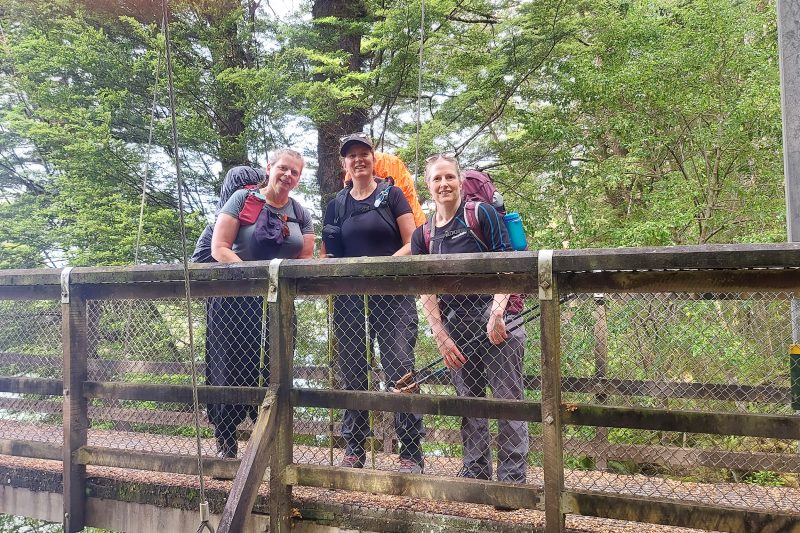
Sort out your logistics and the money up front, says Natalie Fountain. She hikes with friends and recommends one person be responsible for hut bookings, another for pre- and post-walk accommodation; everyone can book their flights individually. “Splitwise is a great app to take the angst out of sharing costs,” says Natalie.
Alice Stonehouse says to make sure you book your shuttle in advance if you are a group doing a one-way Great Walk – you need to know they’ve got room for all of you.
Who we spoke to
Alice Stonehouse walks with her sister, brother-in-law and mother and has completed six Great Walks in the past decade. She’s off to climb Mt Kilimanjaro later this year.
Mareile Stoppel has previously kayaked but never canoed. The Whanganui River Journey had been on her bucket list for many years before she set off with friends earlier this year.
Marcel Smithers has completed Rakiura Track and Routeburn Track with her partner and 10-year-old son. She’s booked Paparoa Track for their 2027 Great Walk.
Marion Douglas hikes with her sister Lorna. “It’s great to see children walking with family members, too. I feel so fortunate to be able to tramp in the wilderness, experiencing the beauty and power of nature.”
Michelle Wilkinson has completed four Great Walks, mainly with family and friends. “I haven’t done a solo Great Walk yet, but I reckon I could.”
Deborah Riley swears by Hikers’ Wool and a good blister kit and recommends joining a local tramping club to gain more knowledge and advice, as well as testing yourself and your gear before a big trip. She’s walked four Great Walks and has Kepler Track booked for 2027.
Natalie Fountain did her first Great Walk in 2018 and recently did Kepler Track with two friends. “Go for it, you’ll never regret it, even if you do have rainy, cold and snore-y bits. You’ll feel fulfilled, proud and amped for the next one!”


