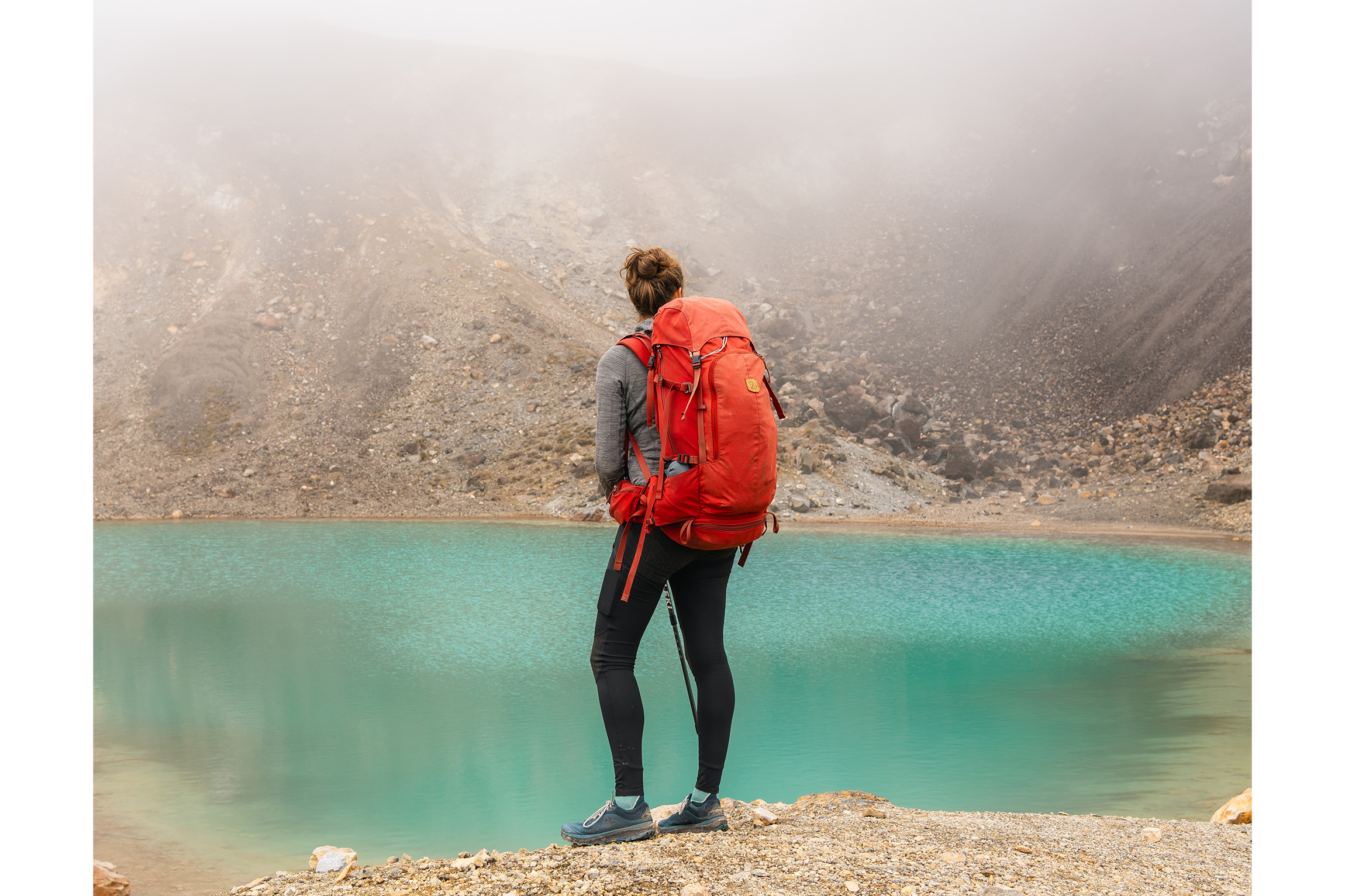
Tongariro Northern Circuit: The drama queen
The North Island’s poster child Great Walk unleashes every geothermal magic trick in the book, sweeps into the room with a smoke machine, throws a cloak over one shoulder and asks if anyone has seen the Emerald Lakes. There is no Great Walk more cinematic. A little-known fact about Mt Ngāuruhoe is that it was assembled offsite by propmakers from Middle Earth and lowered into place for dramatic effect.
The 45km walk circles the mountain, clambering over and around lava flows, steaming vents, scorched ridgelines and gem-like lakes. It’s volatile, unstable and often melodramatic. But for all its drama, it’s paradoxically one of the most peaceful Great Walks, especially in the lunar-like landscape around Oturere Hut, where at night you can stand under an eerily silent sky smeared with stars, watching the silhouettes of volcanoes materialise like apparitions in the dark. Tramp isn’t quite the right word; call this an odyssey, a quest of courage.
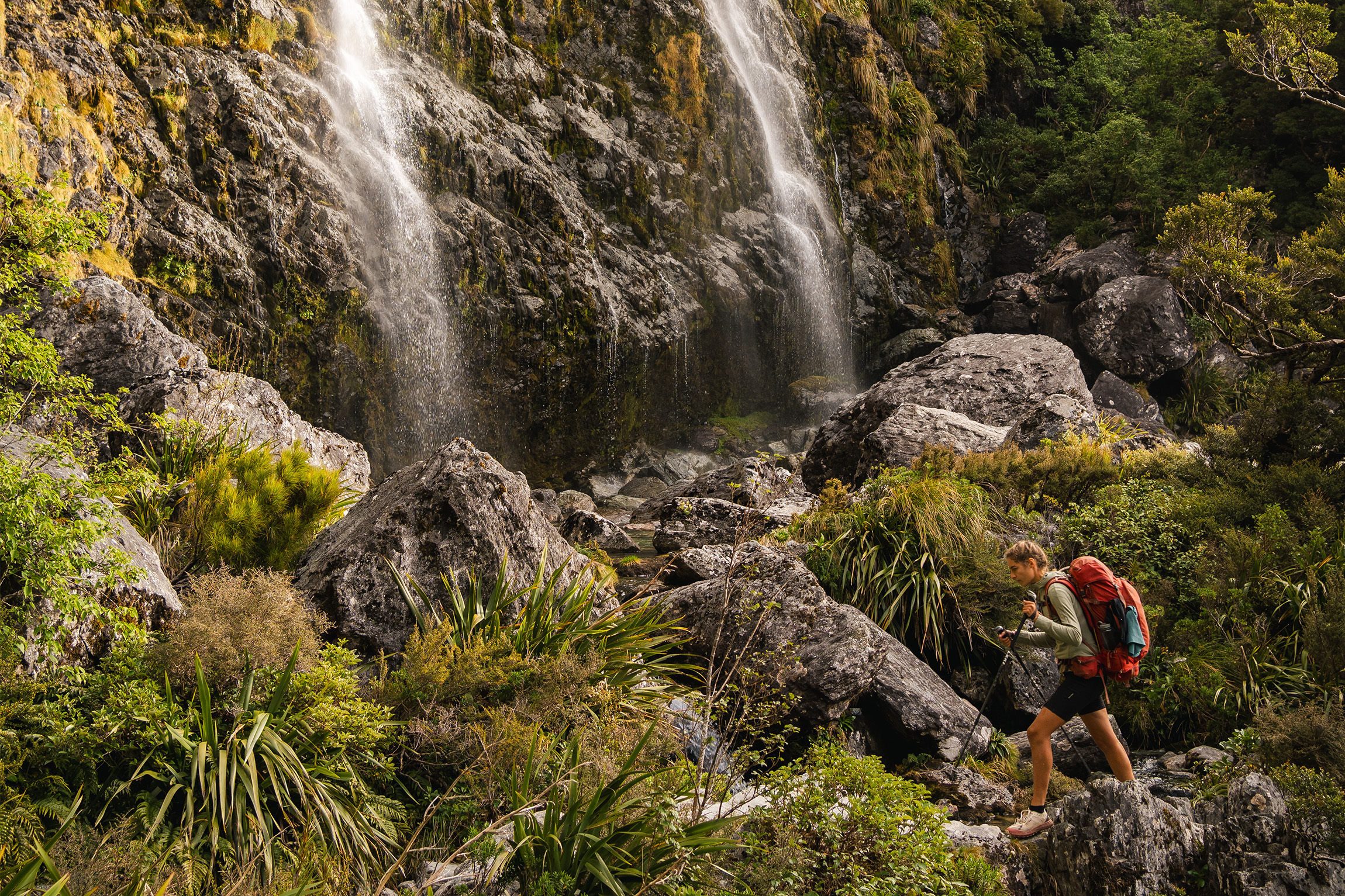
Routeburn Track: The overachiever
No one likes a show-off. But the Routeburn Track doesn’t care what you think. At just 33km, it’s one of the shortest Great Walks but crams in hulking mountains, alpine lakes and meadows, rivers flanked by golden tussock flats, gushing waterfalls and sandfly-infested beech forest. Linking Mt Aspiring and Fiordland national parks, the track climbs from the Route Burn to Lake Harris and Harris Saddle before dropping into the Hollyford Valley, with the Darran Mountains baring their jagged teeth across the valley. Every step is spectacular.
And if the tramp feels truncated, you can always extend it by tacking on the Greenstone and Caples tracks, transforming a three-day greatest hits package into something approaching the ultimate South Island tramp.
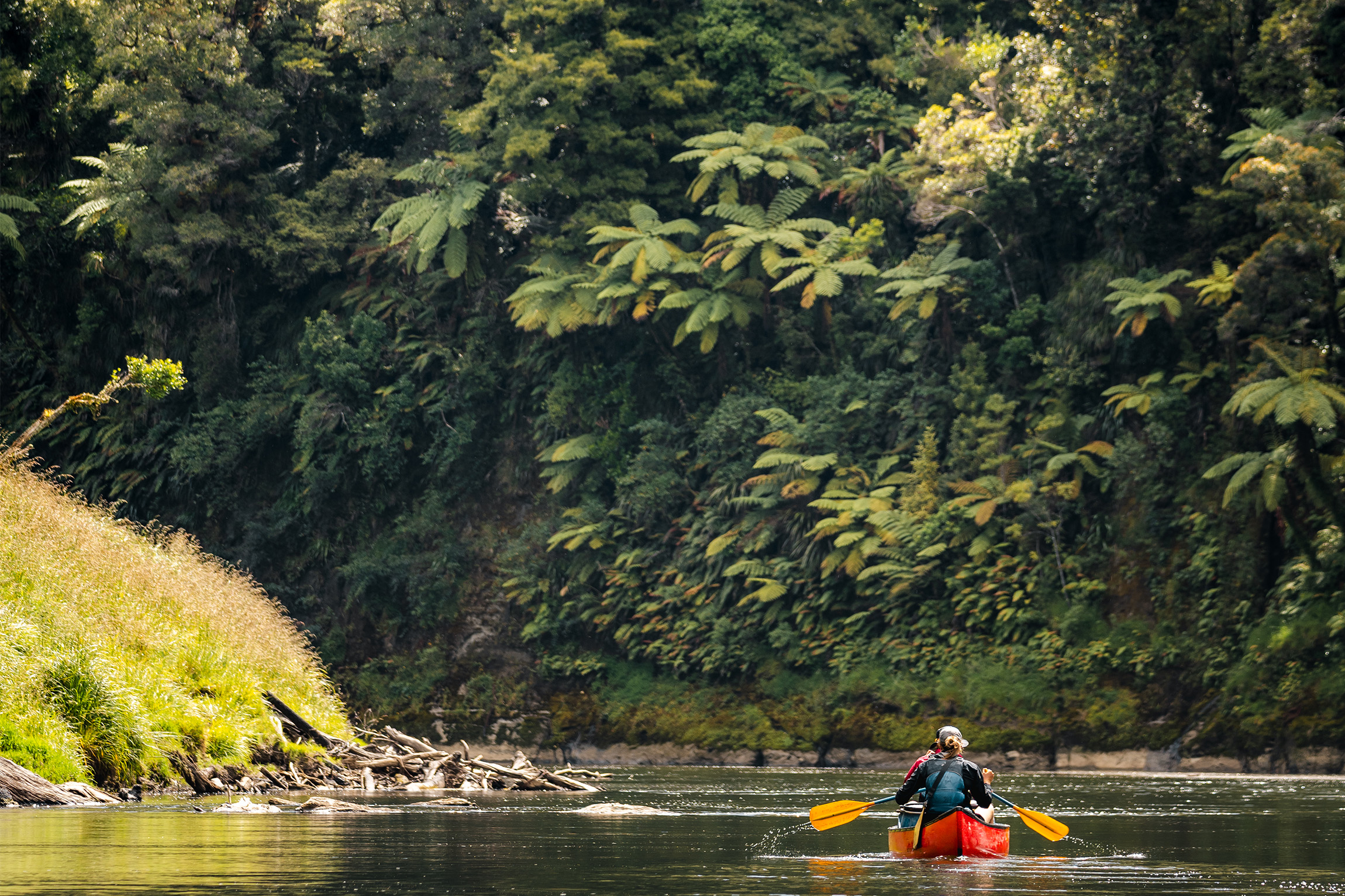
Whanganui Journey: The drifter
Why march across a landscape when you can sit down and let the landscape carry you? This is the Great Walk that isn’t; a river journey for dreamers and drifters, for those who like to become part of something bigger than themselves. The 145km canoe or kayak trip down this remote stretch of the Whanganui River starts in Taumarunui and ends in Pipiriki. It takes five days but you can shorten it to three by starting at Whakahoro. There are campsites, marae, waterfalls, rapids and mossy gorges draped in native bush along the way, but the real point is the river itself. To Māori, the river is an ancestor, a living presence with its own mana and spirit. A sense of spirituality pervades the journey: a time to slow down, listen to the river and let the current do the work.
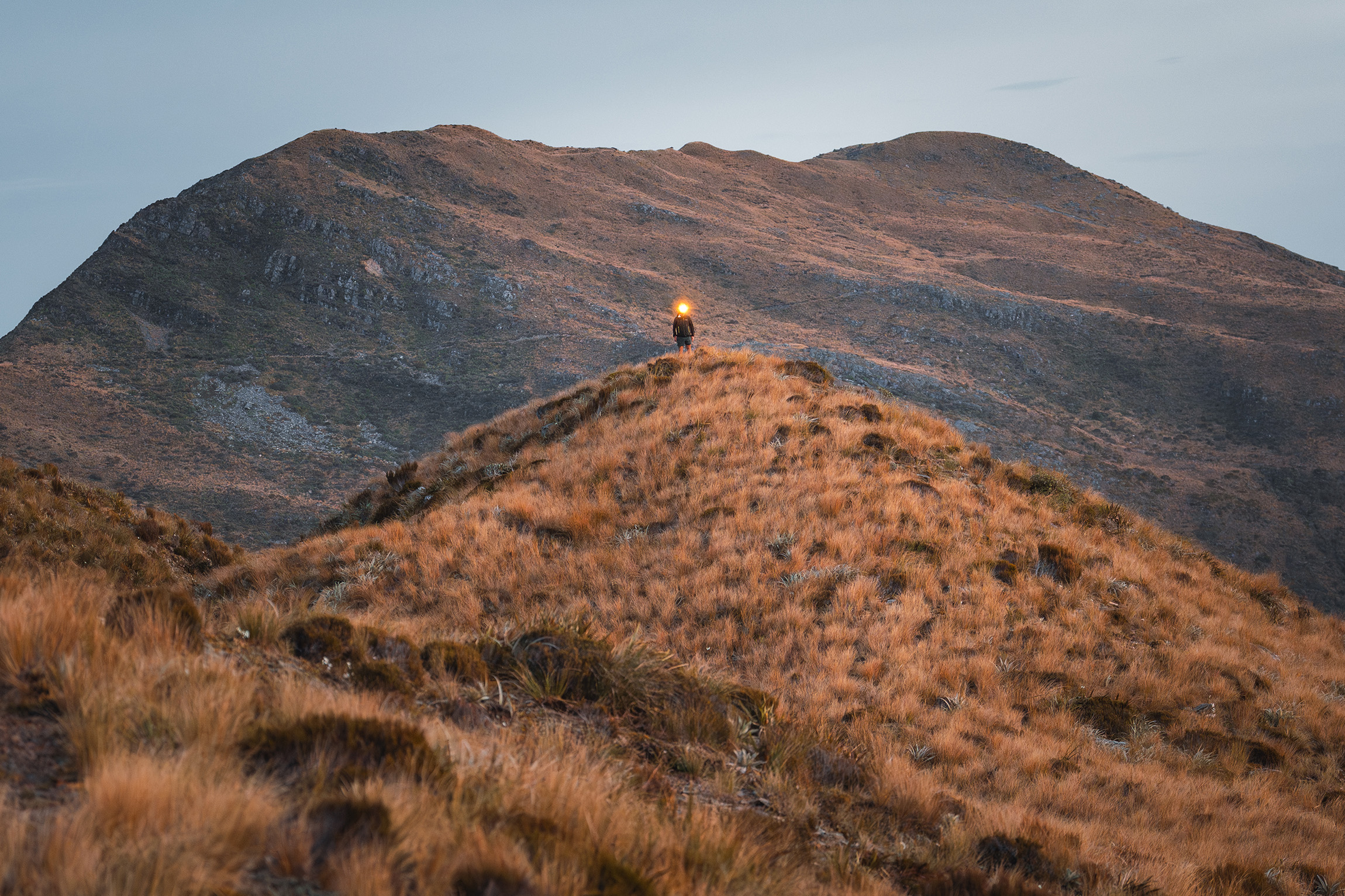
Paparoa Track: The crossover artist
Part tramp, part mountain-bike route, the 55km Paparoa Track wants to be everything to everyone, and succeeds. Opened in 2019 as a memorial to the 29 men killed in the Pike River Mine disaster, it links Blackball and Punakaiki, carrying walkers and riders across the Paparoa Range with the kind of mood swings only the West Coast can deliver. Much of the track traces early gold-mining routes over the hills – including the historic Croesus Track at the Blackball end – and passes remnants of old workings and equipment.
The track is rated Grade 4 as a mountain biking trail. Most riders can complete it in two days and one night, staying at either Moonlight Tops Hut or Pororari Hut, with views across limestone gorges and the Tasman Sea flashing in the distance. And although the huts are modern and the gradients bike-friendly, don’t mistake crossover appeal for softness: when the cloud drops and the wind arrives sideways, this headline act goes full West Coast crazy.
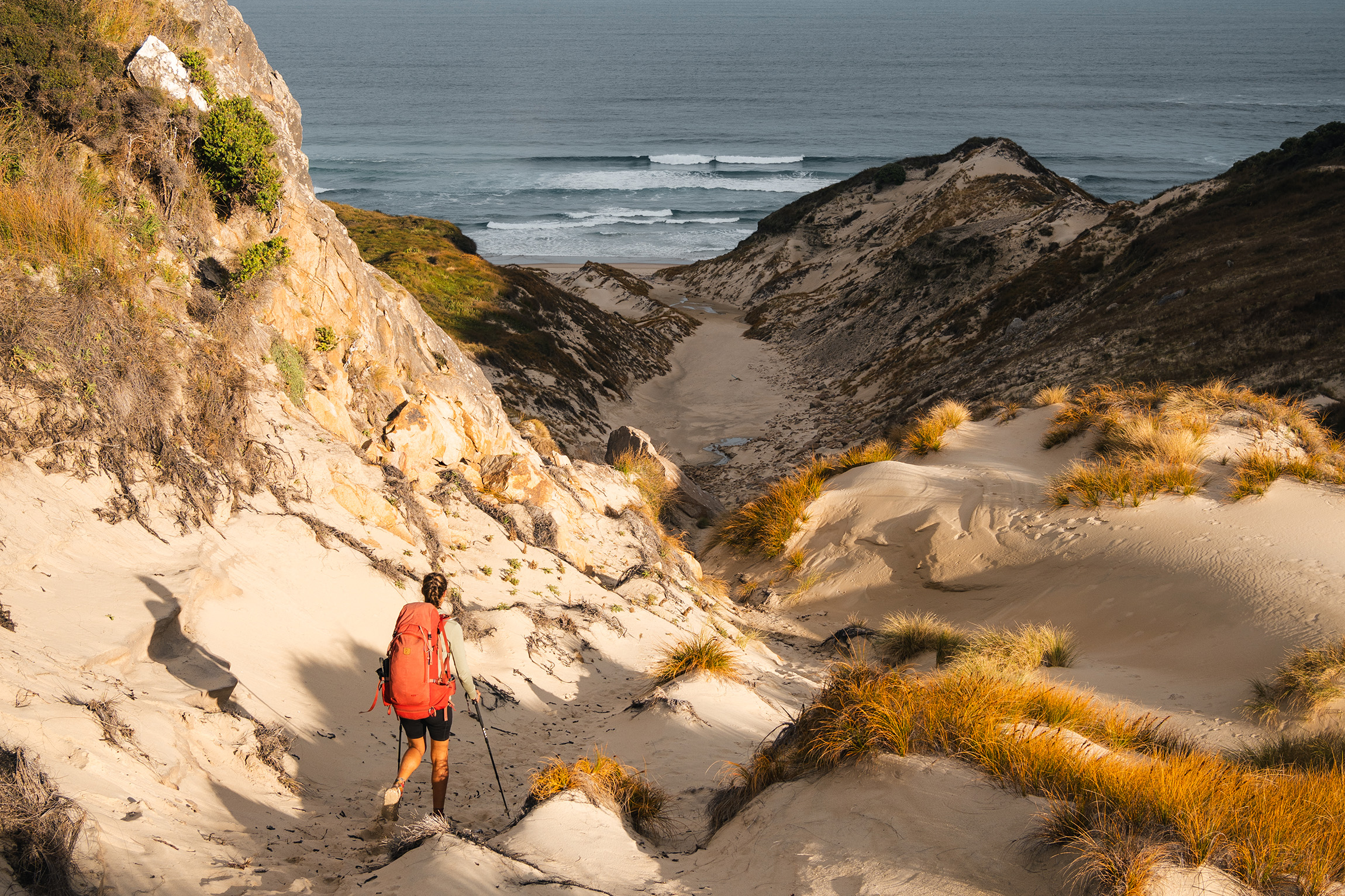
Rakiura Track: The introvert
This Great Walk is for those who’d like to slip away to an island at the bottom of the world where no one will ever find them. The beaches, birds, mud, forest, swingbridges and sea views – all those essential tramping things – go about their business with an understated, quiet resolve, and call to the slower, more contemplative tramper.
Having said that, the island also offers some pretty extreme tramping. The 125km North West Circuit is one of the toughest tramps in the country, a gruelling 8–13 day trudge through mud, over boulders and along wild beaches accompanied by swarms of sandflies. In contrast the Rakiura Track is a pleasant 32km toddle around comely inlets and through podocarp forest where you might hear the rustle of a kiwi. Like most introverts, it doesn’t work the room for attention; it waits until you’re ready to come over and say hello.
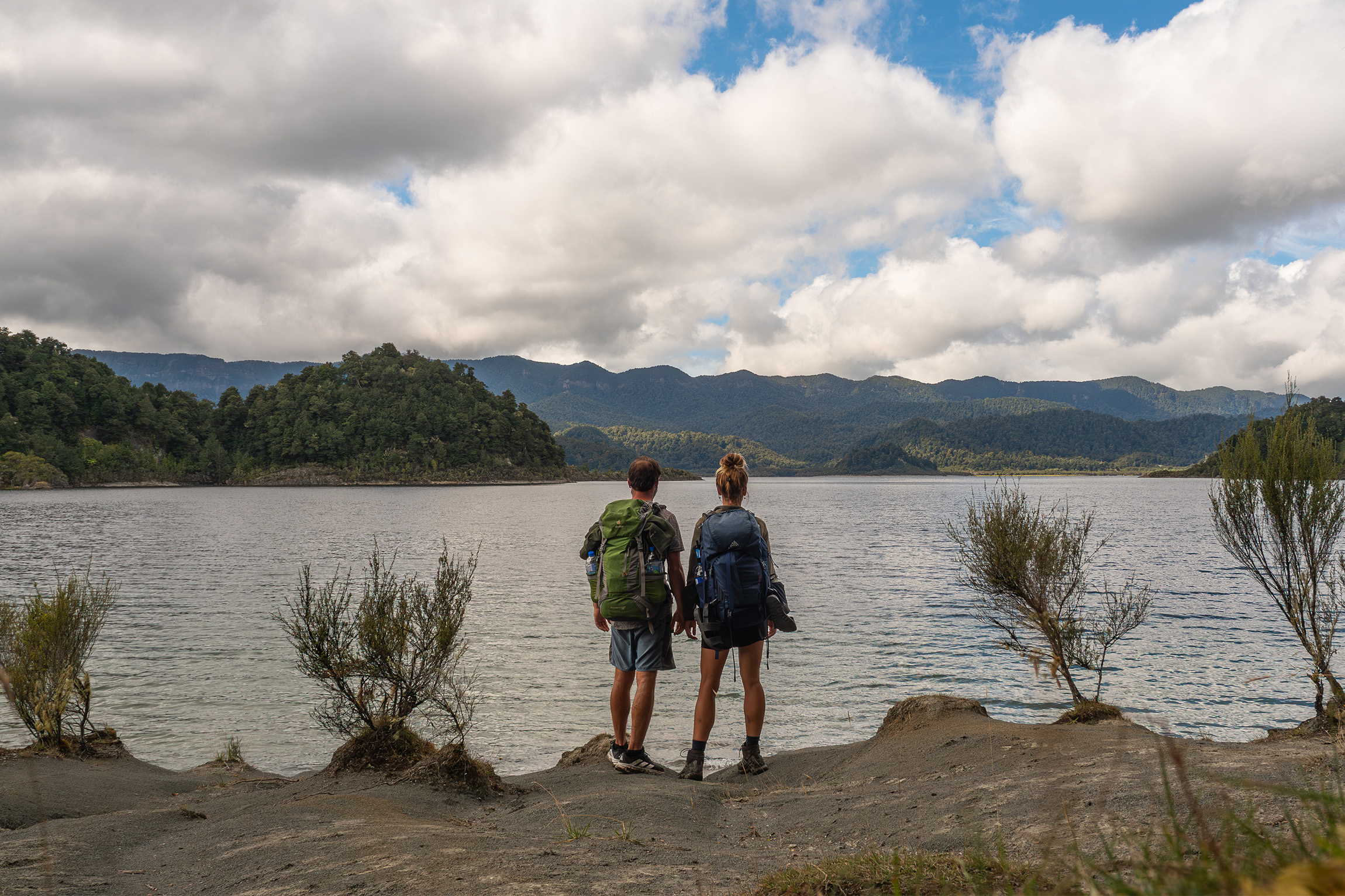
Lake Waikaremoana Track: The outsider
It sits in a remote corner of the North Island, keeping its own counsel: a lake with a living identity, wrapped in mist, forest and a sense of apartness. No longer a national park, Te Urewera is now managed by Ngāi Tūhoe, and despite diverging priorities, the 46km Great Walk that traverses the craggy Panekire Range before skirting the lake’s western shores remains open for business. Though it has well-publicised issues with pest management and degraded infrastructure, the walk is immensely rewarding, taking you through rich rainforest surrounding one of Aotearoa’s most beautiful lakes.
There’s a ghostly, almost supernatural feel to this untouched wilderness. There may be days when you don’t see anyone, and that’s part of the charm. Essential items on the packing list include adaptability, problem-solving and resolve. So the huts might not have firewood, the rats might be plotting an insurrection, the water taxi may be a concept rather than a tangible reality. Deal with it and soldier on; it’s good for the soul.
Hump Ridge Track: The new kid on the block
Here’s your chance to discover the next big thing before everyone else claims they were there first. Promoted to Great Walk status in 2024, Southland’s Hump Ridge Track has been quietly earning its stripes since local volunteers took it upon themselves to do something to revitalise the fading forestry town of Tūātapere in the 1990s. The community-built track has big ambition, and the rewards for those who venture this far south are immense, with views from the subalpine tops stretching across Foveaux Strait (look out for dolphins) to Rakiura Stewart Island and into spectacular, glacier-carved fiords. It’s still relatively off the radar, so you won’t encounter big crowds. You can also elect to tramp the posh way, staying in private lodges with real beds and meals provided, or upgrade to a guided option that includes having your pack helicoptered up the hill.
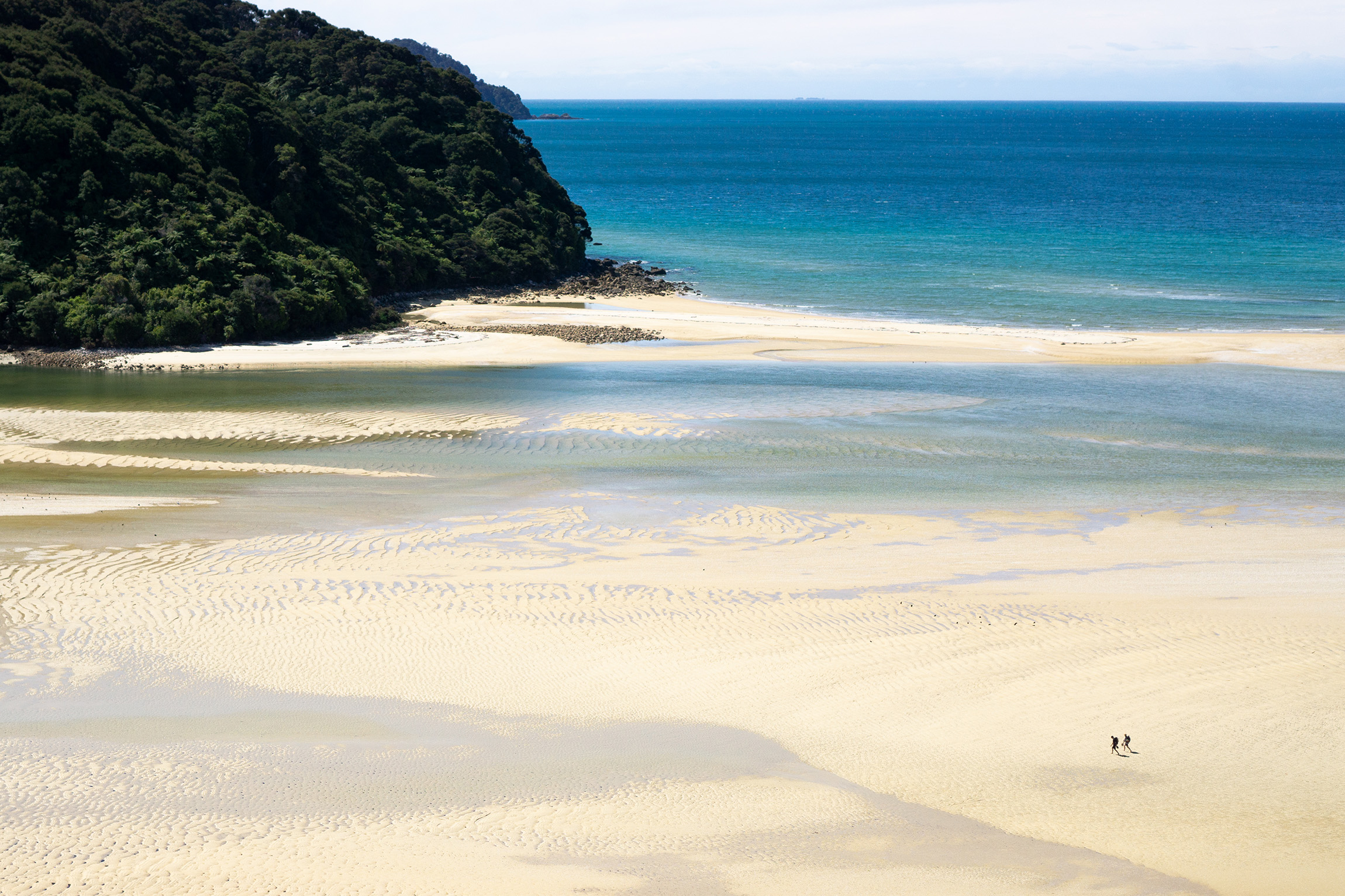
Abel Tasman Coast Track: The looksmaxxer
Togs, a beach towel and a highly flexible definition of tramping are all you’ll need to complete this 60km coastal wander in the Nelson/Tasman region, which serves up golden beaches, turquoise bays, sun-warmed granite and sublime rock pools. Be warned, though: underestimating this apparent dawdle of a Great Walk has brought many (i.e. me) undone. Overconfidence caused me to overpack, lugging extra kilograms in the form of a tent (camping is the main form of accommodation) and luxury food and drink items, and I nearly expired in the heat. Apparently it’s still a tramp, not a beach holiday.
Water taxis mean you can dip in and out and skip sections, but it shouldn’t take you longer than four days to walk the whole thing. And although the terrain is not too taxing, training is still required to get your body match fit for social media photos. Start now.
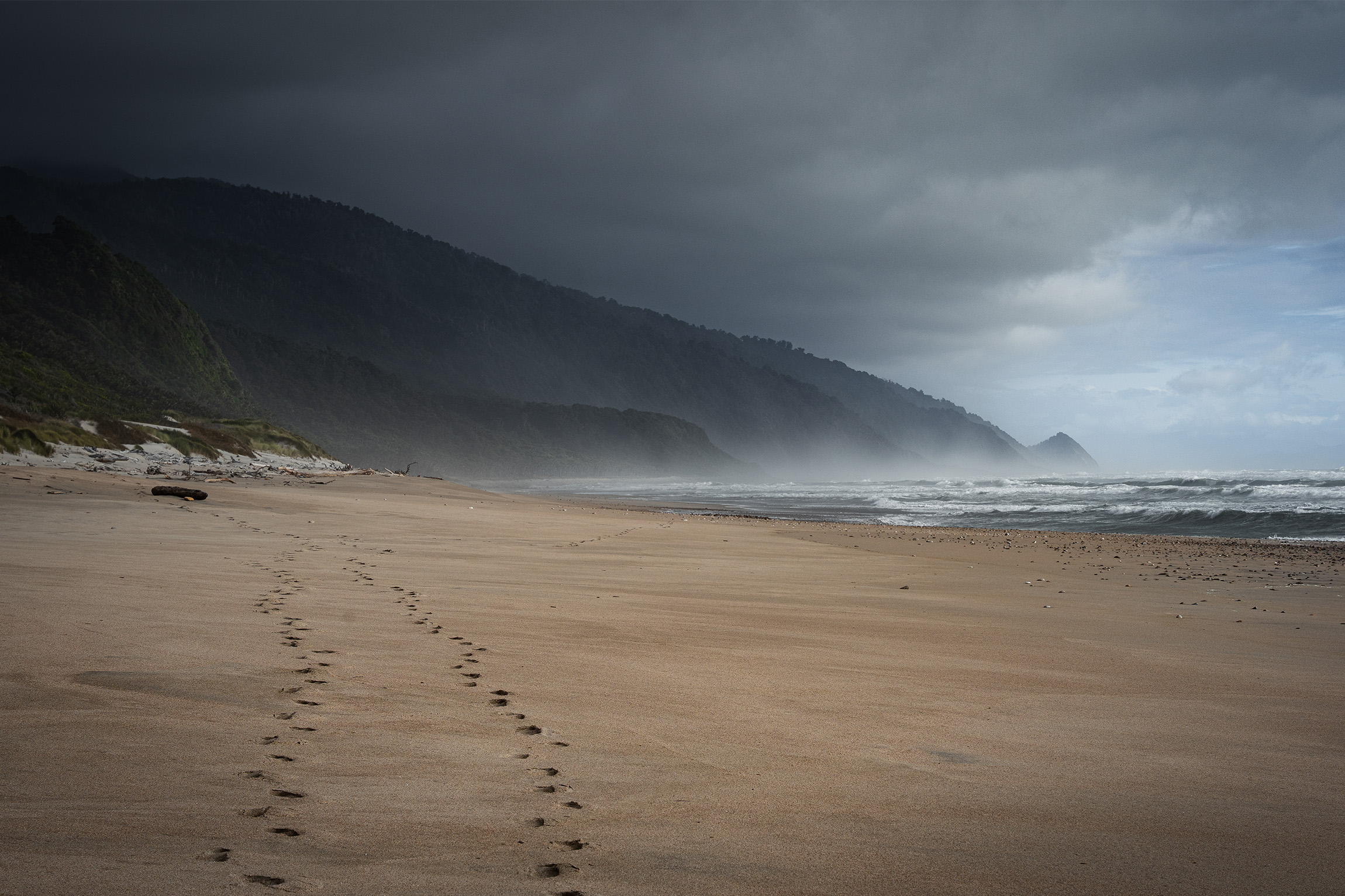
Heaphy Track: The purist
Could this be the classic New Zealand tramp? The Heaphy embodies everything we love about our unique landscape and our unhurried way of moving through it. The 78km traverse through Kahurangi National Park is one of the great long-form New Zealand tramps, serving up a greatest hits reel of the country’s wildest places: mossy beech forests, tussocky downs, nīkau palms, river flats, limestone bluffs and the surf-pounded West Coast. The trick is not to rush but to savour the slow drift between landscapes. One day you’re crossing open tops and subalpine grassland, the next you’re descending through lush, native bush towards a coast that feels almost subtropical. To North Island trampers: think of it as the Tararua Range but far more pleasant.
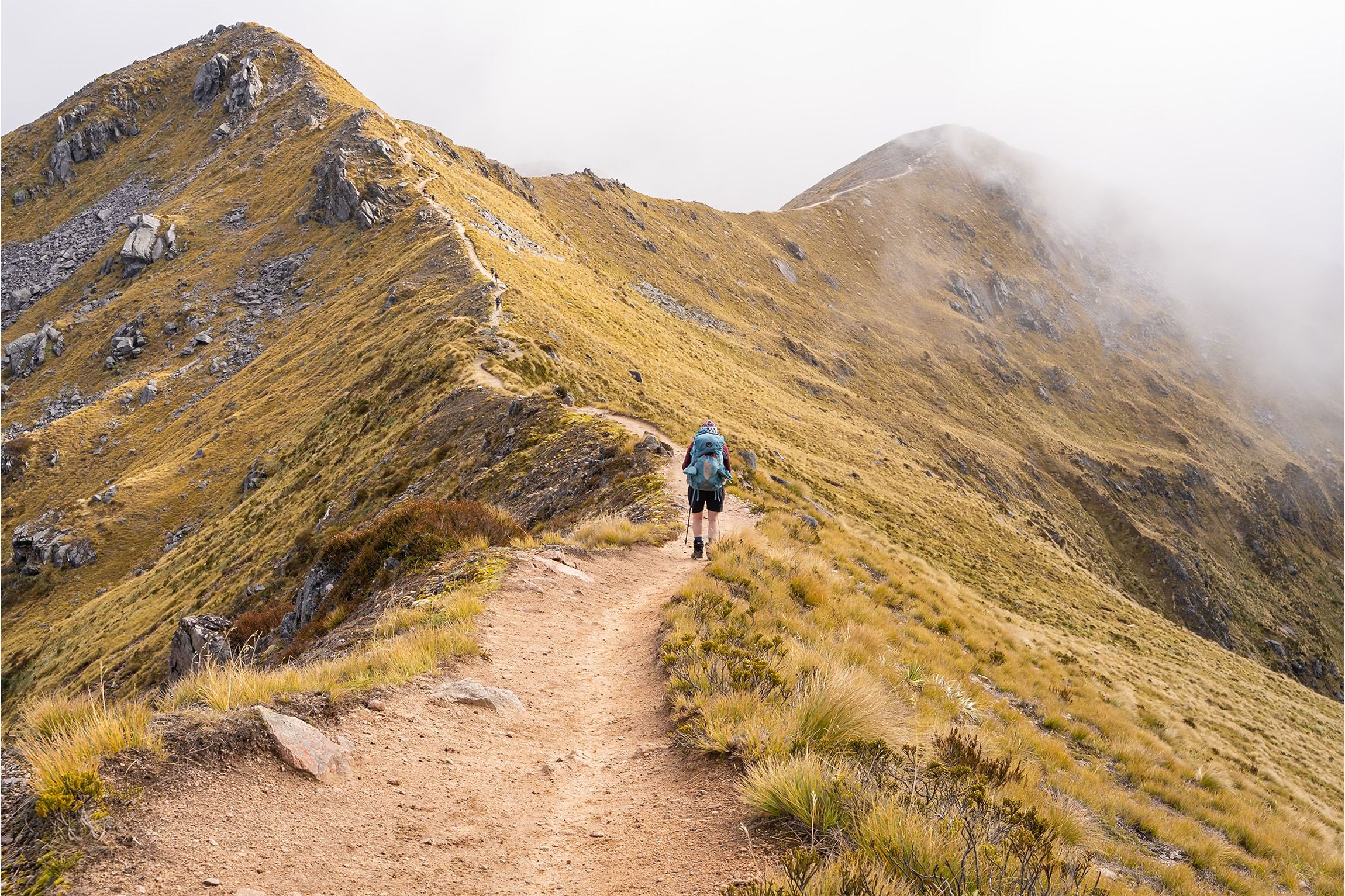
Kepler Track: The hipster
Uber-cool and loved by those in the know, the Kepler is the cult track for trampers who discovered Fiordland before it went mainstream. A 60km loop in the mountains above Te Anau, this three- to four-day tramp has alpine drama, forested valleys, big lake views and some serious ridgeline swagger. In short, it has everything that makes South Island tramping so special, right down to kea trying to take off with your titanium spork, and the ever-present promise of hypothermia. Unlike many Great Walks, a significant portion of the track is above the bushline, giving a true alpine feel. And being on the doorstep of Te Anau means you don’t require boats or float planes to get there; you can simply finish the loop, order a craft beer and tell everyone at the bar how you were tramping the Kepler before it was cool.