Foreign visitors will soon be required to pay a fee to access some of New Zealand’s most renowned tourist destinations on conservation land.
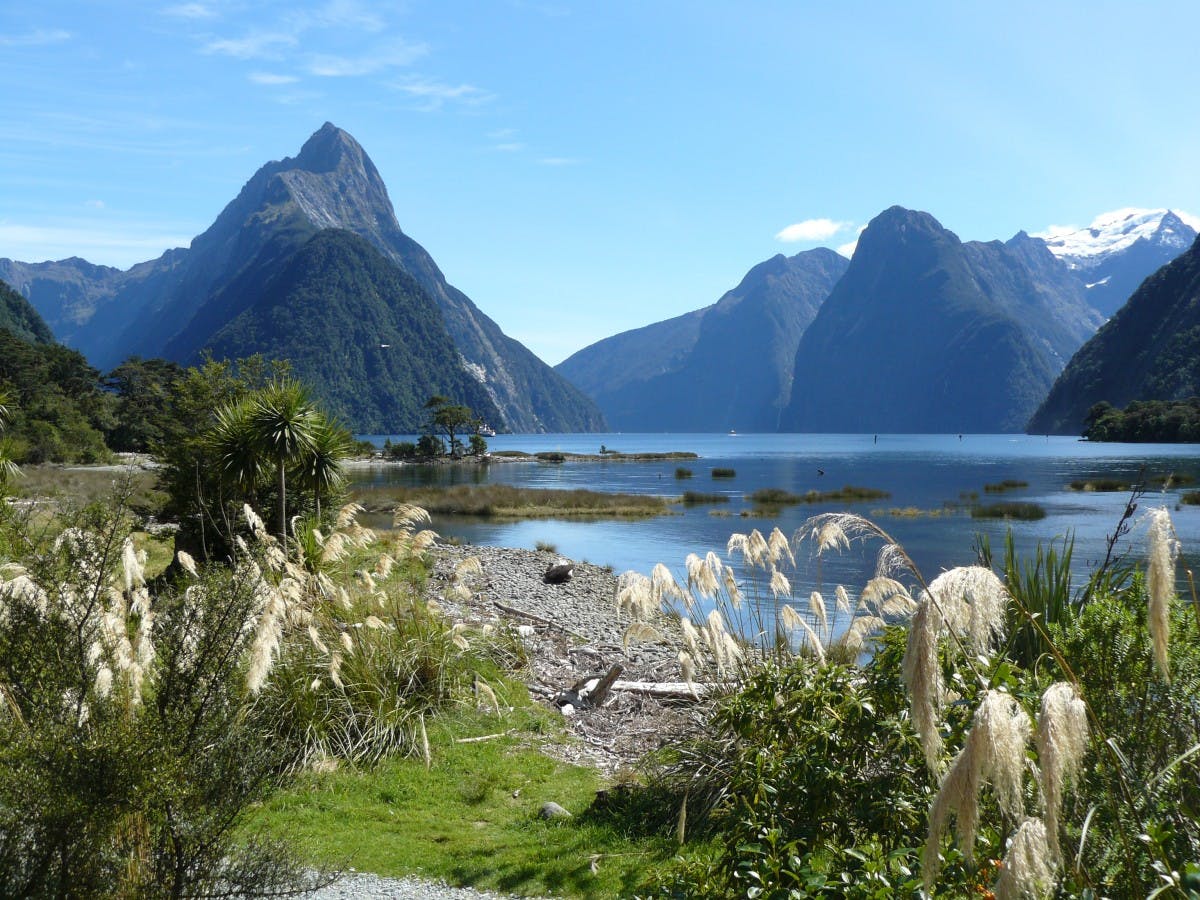
The charges announced would mean foreign tourists visiting Cathedral Cove / Te Whanganui-a-Hei, Tongariro Crossing, Milford Track, and Aoraki Mount Cook would need to pay between $20 and $40 per person. New Zealanders would not be charged for access.
Conservation Minister Tama Potaka said foreigners made up 80% of all visitors at the destinations. He estimated the charges could make up to $62 million a year in revenue, which would be directly reinvested into those same areas.
Prime Minister Christopher Luxon said sites that were “truly special” to Kiwis needed to be protected, and said the charges would give the Department of Conservation more support.
Alongside the charges, the Government also announced widening concessions, for businesses to operate on conservation land.
“We’re going to fix the Conservation Act to unlock more economic activity through concessions – like tourism, agriculture, and infrastructure, in locations where that makes sense,” Luxon said. Read the full story from One News.
FMC Responds to Conservation Act overhaul
“The purpose of the conservation estate and the Department of Conservation is in its name: Conservation,” says FMC President Megan Dimozantos, responding to the government’s proposed changes to conservation law, including the introduction of access charges. “We don’t yet know enough detail behind these announcements to signal support or otherwise. We have significant concerns about the rhetoric of uninhibited economic growth on the conservation land— that could undermine conservation values, restrict public access, and see parts of our conservation estate up for land disposals.”
FMC supports a streamlined legislative framework in principle, but strongly opposes removing the New Zealand Conservation Authority (NZCA) from the approval process for key planning documents. The NZCA is vital in ensuring decisions about public conservation land are transparent, robust, and reflect a broad range of perspectives. We do not support a system that concentrates decision-making solely in the hands of the Minister.
FMC is deeply concerned about proposals that could enable the disposal or development of public conservation land, including conservation parks and stewardship land, without adequate safeguards. With only 40% of the estate fully protected, vast areas such as Forest Parks and Conservation Parks could be opened up to inappropriate development. FMC supports efficient concession processes, but not at the expense of properly assessing impacts on conservation and recreation. Read the full press release from FMC.
New Pouakai Hut opens with double the bunk space
A karakia rang out across the Pouākai Range on the morning of August 4 as representatives from Ngā Mahanga a Tāiri hapū blessed the new Pouākai Hut.
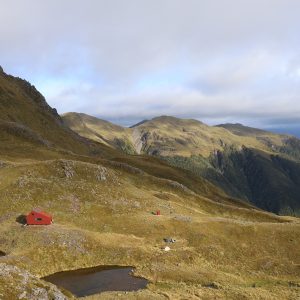
The 34-bunk hut was formally opened as part of a small ceremony which also marked the official completion of an eight-month build project.
The new Pouākai Hut is part of the Taranaki Crossing project, a partnership involving DOC, Kānoa – Regional Economic Development & Investment Unit (Kānoa), Ngā Iwi o Taranaki and hapū which has also seen several tracks across Te Papa-Kura-o-Taranaki upgraded.
The unique hut design is a result of collaboration between representatives from Ngā Mahanga a Tāiri and architects familiar with alpine hut design and construction.
Tinaka Mearns, DOC’s Hauraki-Waikato-Taranaki regional director, says the new Pouākai Hut represents a major milestone in the Taranaki Crossing project.
“The previous Pouākai Hut was at the end of its life, and the new structure is more than double the size of its predecessor, so it’s a big improvement for visitors.”
The hut is expected to be back on the DOC booking system and available to visitors on August 12. Read the full Wilderness exclusive.
Spring avalanche safety from Mountain Safety Council
In spring, milder temperatures and rain, rather than snow, can cause avalanches that are even bigger than those in winter, NZ Mountain Safety Council chief executive Mike Daisley said. “Trampers heading through valleys, gullies or streambeds below snow-loaded slopes need to take avalanche safety seriously,” Daisley warned.
He said trampers can minimise their avalanche risk exposure by following a few simple guidelines:
1. Start early: The spring sun warms snow rapidly, increasing avalanche danger in the afternoon. Start early and aim to be well clear of steep, snowy terrain before the day warms up.
2. Delay your trip after a storm: After a storm the snowpack can become unstable and prone to wet snow avalanches. Wait 24–48 hours to allow snow to settle and any natural avalanches to occur.
3. Avoid travel below steep slopes: Even if you’re on the valley floor, there’s a real chance avalanches from steep terrain will reach you. Avoid stopping or pitching a tent in gullies, small sidestreams, under cliff bands or in clearings below steep, snowy slopes.
4. Check the avalanche forecast: The NZ Avalanche Advisory provides forecasts for 13 backcountry alpine regions across the country and provides vital information for planning a safe trip.
5. Upskill your avalanche training: Courses are available through private guiding companies and alpine and tramping clubs. MSC has also launched a 23-part avalanche safety video series on YouTube.