

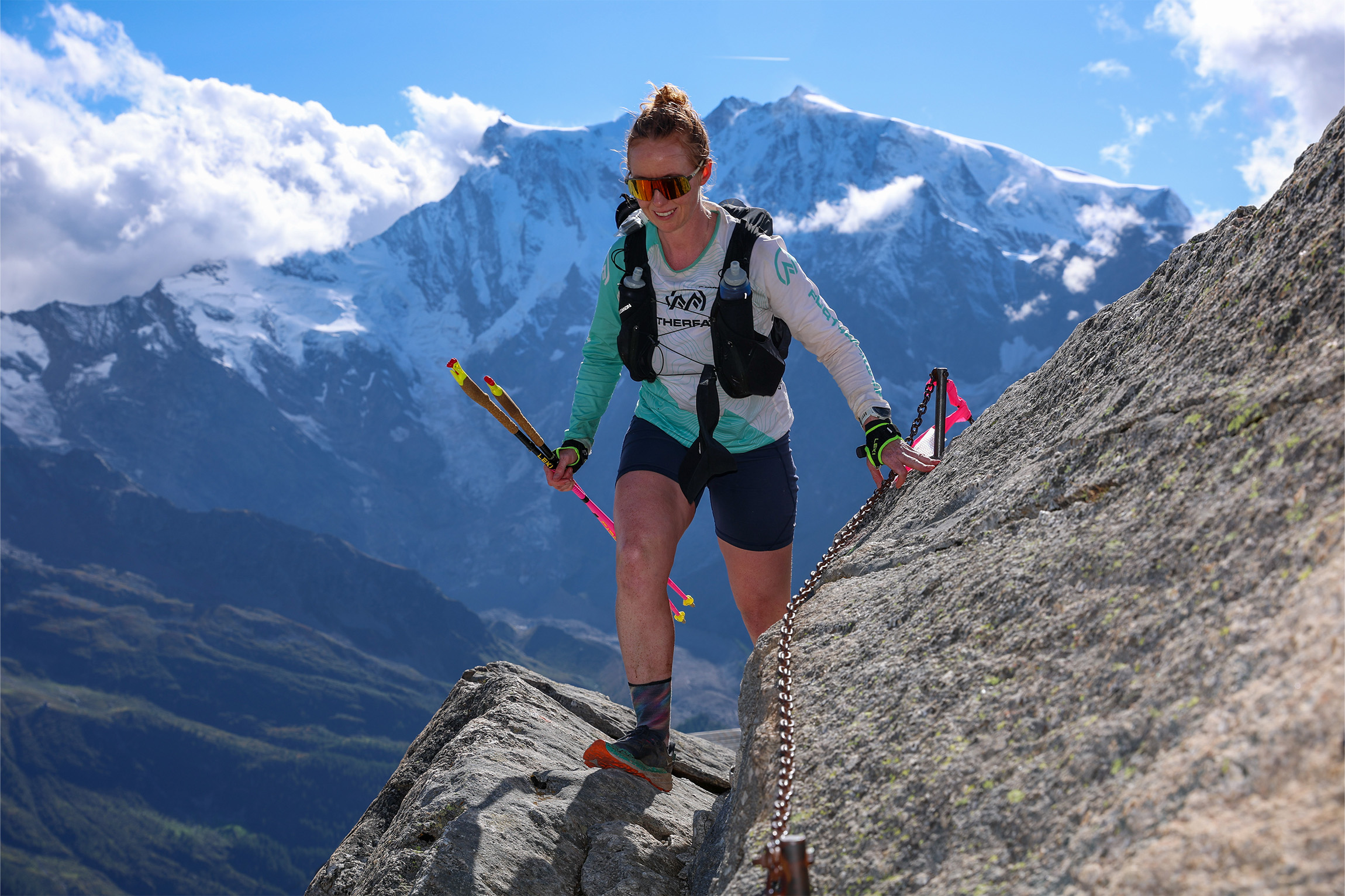
Why would anyone do this?
It’s a fair question. Why spend your weekends navigating through bush, wading rivers and emerging covered in scratches, mud and, sometimes, glory? For most participants, it’s a wild adventure.
Fergus Frame (25) initially got into adventure racing through the South Island Secondary Schools Adventure Racing Champs.
“At first it was just a big, crazy challenge,” he says. “Having completed one race, our team realised we were actually quite good at all the different aspects of the race, so we focused on fine-tuning things, and that’s been really exciting. You can learn a lot and you realise it’s not just about going fast: there’s also strategy involved.”
Frame now races with the team Sardine Racing, which won the MAGNIficent adventure race in Southland in February 2025. They earned automatic qualification for the world champs in Canada in September 2025, where they placed fourth out of 55 teams.
Holly Weston (33) came to adventure racing through the women’s-only events Spring Challenge and Spirit of Women. She loves that it allows her to race in locations she might ordinarily not have access to.
“Yes, there’s a fair amount of suffering while you’re racing, but you overcome all these obstacles and you get really good at problem solving, and it’s the coolest feeling when you see sunrises and sunsets with your team,” she says.
Now racing nationally and internationally with sponsorship from Further Faster, Weston has completed multiple expedition races, including GODZone three times and the Coast to Coast five times.
President of New Zealand Rogaining Association (NZRA) Peter Squires says, “There’s something very fun about moving through wild landscapes with nothing but a map, compass and your wits. You’re not following a marked trail or a GPS track, you’re genuinely exploring, making decisions and solving problems in real time.”
Then there’s the team dynamic. Unlike many endurance sports where you compete alone, rogaining and adventure racing force competitors to communicate, strategise and support each other.
“All that matters when you’re in the race is getting your team to the next stage,” says Weston. “You see the worst side of people and also the best side. You build compassion and develop great people skills, too.”
Advice from an event director
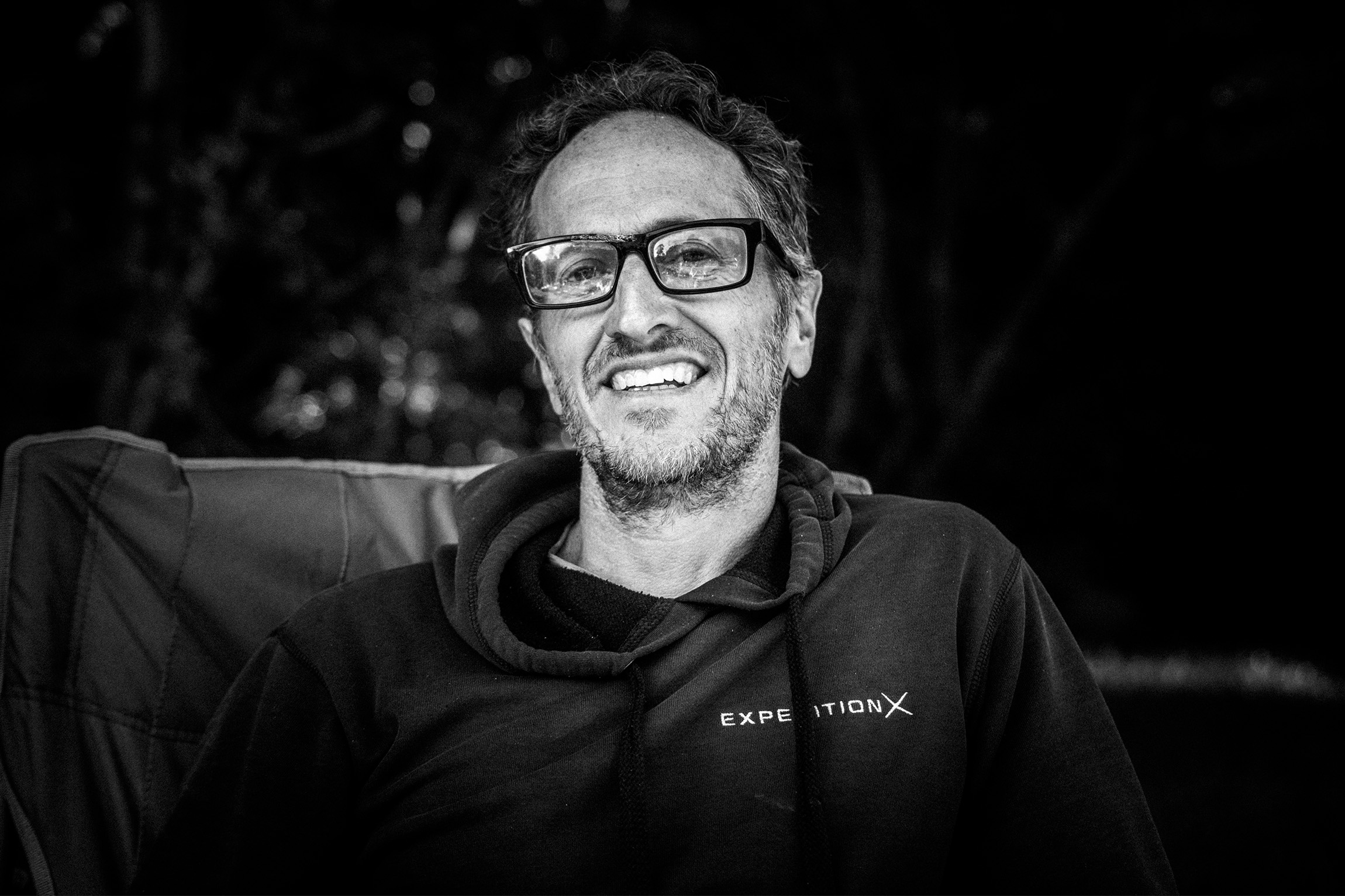
Andy Magness stumbled into directing adventure race events when his twin brother organised one in North Dakota. Magness moved to Te Anau in 2014 and co-founded Fiordland Endurance & Adventure Racing (FEAR) Society and FEAR Youth (supporting young athletes). Born from his frustration with the expense of expedition races, FEAR uses a cost-recovery model to offer world-class adventure racing at a fraction of the typical cost. “For me, it was always hard to justify spending a few thousand dollars to do a race,” he explains. “I only really cared about the challenge of the course. I wanted the camaraderie and the real uncertainty.”
Magness walks the fine line between creating genuine adventure and managing health and safety concerns. “A good course isn’t one that can safely be negotiated by just anyone in any conditions,” he argues. “Part of the appeal of adventure racing, for me, is in active, team-based risk management when seeking a goal.” He now organises The MAGNIficent race, a six-day event that’s part of the Adventure Racing World Series and is designed to challenge the sport’s best competitors. In 2026 it ran from 28 February to 7 March in the Southland and Otago regions.
For those new to the sport, Magness’s advice is to “just get out and do hard stuff: big hunting missions, bike packing, climbing, alpine traverses. Do things where you need maps and can get lost, where you are dealing with weather and difficult terrain.”
The key, he says, is consistency: “Do a rogaine or orienteering event. Get lost, come in last. Pay attention to what other people do. Pick one thing to improve on. Sign up for something else. Like anything in life, practice makes perfect. If you’re having fun you’ll practise consistently, and that’s important.”
Getting started
Find your tribe
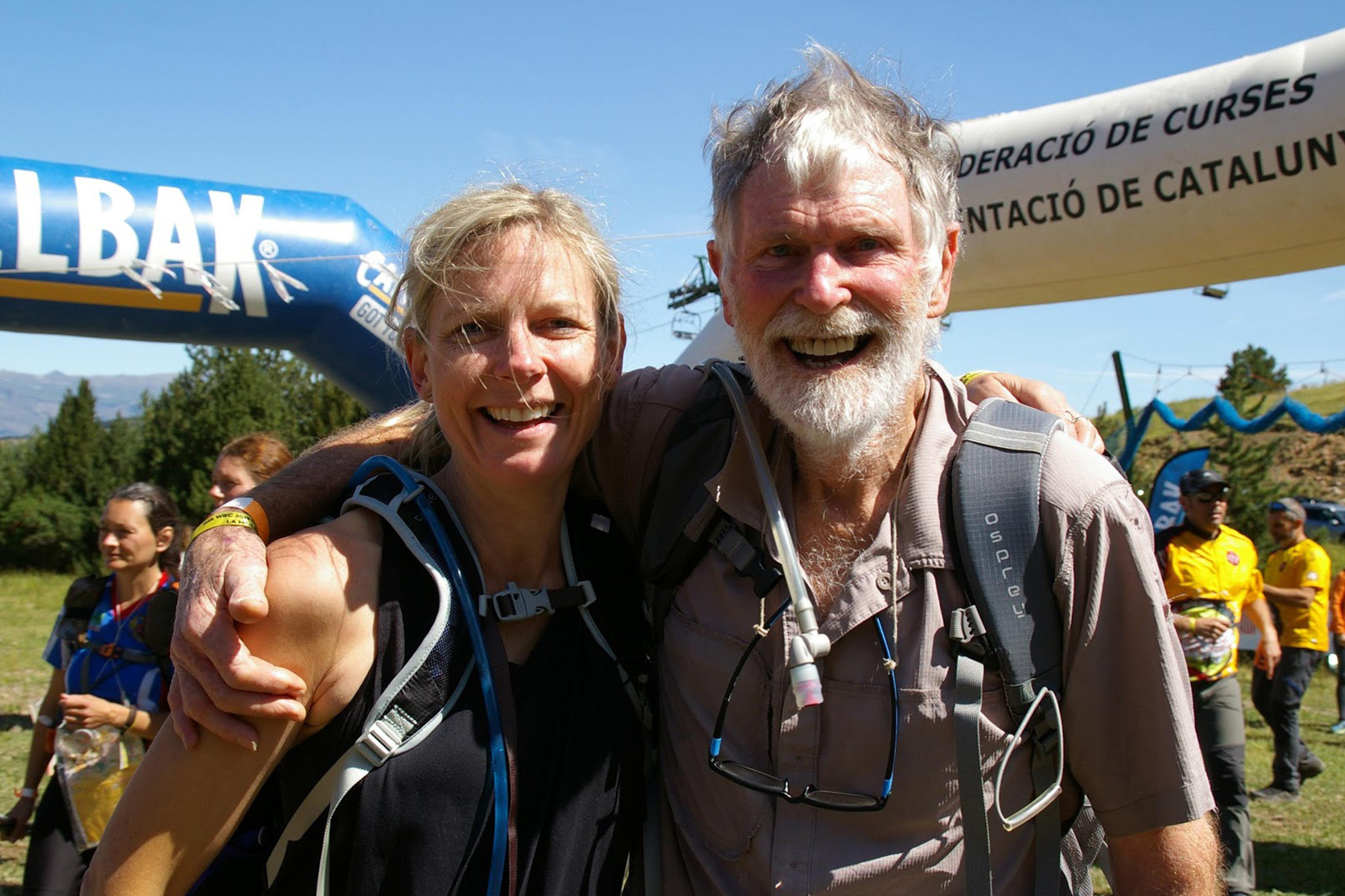
For adventure racing especially, finding the right team can be challenging. You need people with similar fitness levels, navigation skills and, crucially, compatible personalities. Many racers go through several team combinations before finding ‘their people’. “Perhaps start with shorter events to test the waters before committing to a 24-hour epic,” suggests Frame.
Find your event
New Zealand’s rogaine and adventure racing scene is thriving. Events are well organised, the community is welcoming and there’s a strong volunteer ethic. Whether you’re an experienced tramper looking for a new challenge, a runner who’s bored with marked courses or someone who just wants an excuse to explore wild places with good people, there’s likely to be an event to suit you.
Squires recommends starting with a short rogaine. “Beginners are always welcome. Just let the organisers know it’s your first time,” he says. “You’ll quickly pick up map-reading skills, which are crucial for the sport. In advance of the day, you can start by understanding the contour lines on maps, in particular.”
For rogaining:
For adventure racing:
Kit considerations
You can start rogaining with a pair of trail shoes, a comfortable pack, a compass and a headtorch. As you get more serious, certain kit can help you improve your game.
The non-negotiables
The game-changers
Take it to the next level
A large part of both sports is strategy. In rogaining you’re making constant decisions: Do we take the ridge route or the valley? Is that 50-point checkpoint worth the extra two hours? Should we play it safe or go for glory?
“There’s no single right answer,” says Squires. “Fast teams can afford to attempt risky long legs, while less-experienced navigators might score better by cleaning up nearby checkpoints efficiently. Reading the terrain, understanding your team’s capabilities and adapting your plan as fatigue sets in are all part of the challenge.”
Adventure racing strategy involves pace management across multiple disciplines, knowing when to push on and when to back off and, critically, keeping the team together. The fastest paddler or strongest cyclist doesn’t win; the team that manages its weakest member best usually does.
As Frame says, “[My teammates] Pete and Sam are really strong navigators but we want to keep everyone fresh, so we don’t let them navigate all the time as it wears them down mentally. Often I’ll do some nav on easier sections and Pete will step in on the tougher parts.”
For many, the real magic of both sports lies in the skills they gain. One participant says, “When you do really hard things together, that shifts the bar in terms of what you think you can do. The sport teaches vulnerability as strength, team problem-solving and self-reliance. These are all skills that ripple far beyond the event. At the end, regardless of where you came in the field, you’ve all had a really amazing adventure.”
The next generation
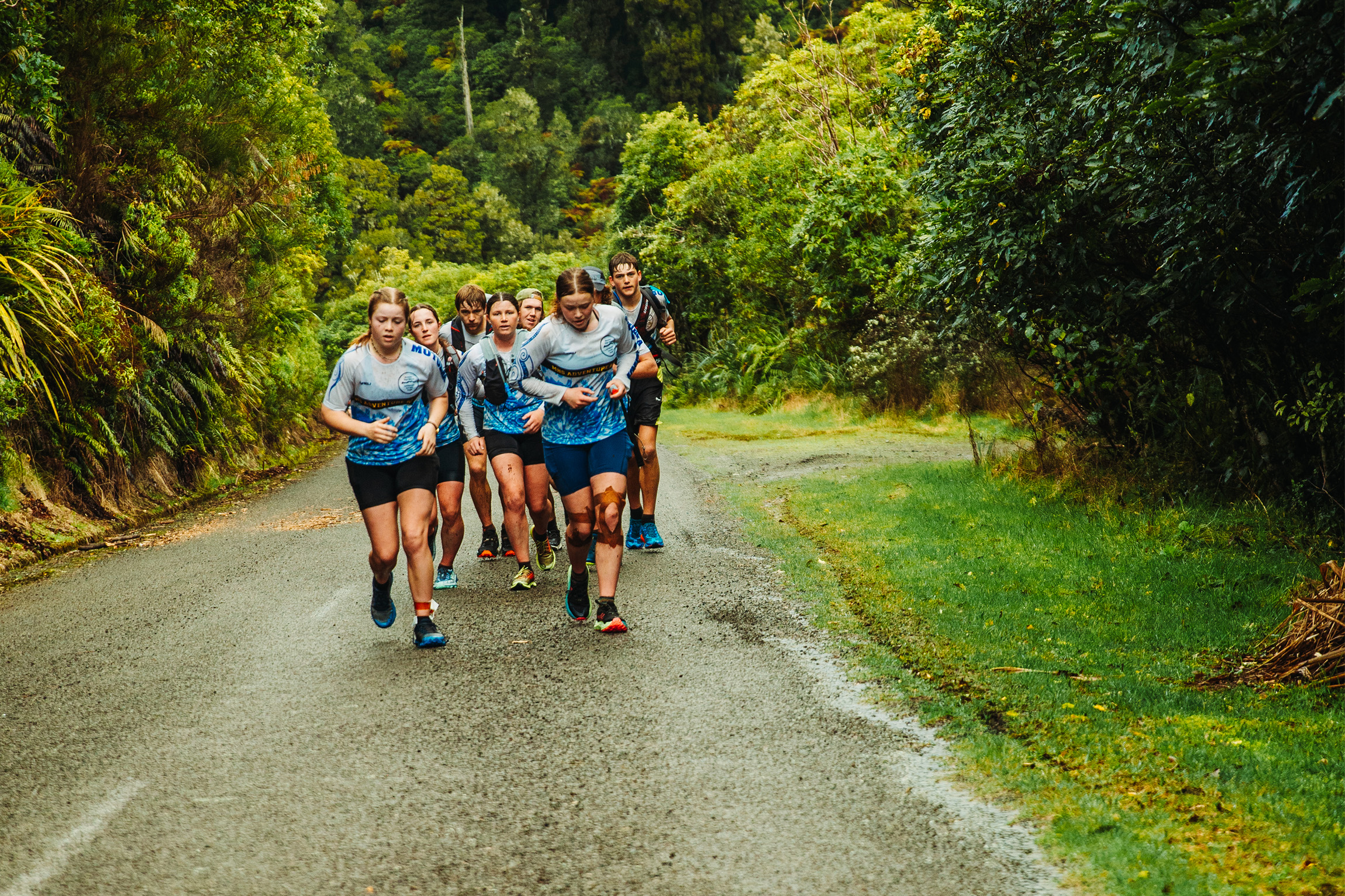
A group of teenagers is discovering what’s possible when they commit to pushing their limits. With four Hillary Challenge victories under their belts (including back-to-back wins in 2024 and 2025), and national championship schools titles in both boys’ and girls’ categories, theirs is a real success story and demonstrates how adventure racing might be the most transformative sport you’ve ever tried.
Motueka High School adventure therapist Wendy ven der Berg has spent the past seven years coaching the school’s adventure racing team.
“Adventure racing has been a real vehicle in our school for creating high-functioning teams,” she says. “Unlike traditional sports where substitutions occur, once you’ve started you stay together. You’re committed to that team. This unique dynamic – where teams of mixed genders navigate multi-day expeditions without substitutions – forces our young people to develop genuine trust and vulnerability.”
Many newcomers are surprised by how easy it is to get started. “You don’t need to be a super athlete,” van den Berg insists. “You just need to be able to walk and ride a bike.”
With grassroots events offering three- or four-hour options, and families competing alongside seasoned racers, the barrier to entry is low. “Orienteering clubs are a great way to learn and practise navigation skills,” she says.
FEAR Youth, a group of young athletes based in Te Anau who are supported by the FEAR Society, are mentored in all aspects of endurance and adventure sport.
“It’s great to see teams entirely made up of young people who are capable of completing expedition-level events and, in some cases, making the podium,” says Magness, of FEAR Society. “Young people are disrupting the old way of getting new blood into the sport, which was that youth would join experienced teams and become good racers themselves over time. Now, they are competing on the world stage. The FEAR Youth team is currently sixth in the world.”
From the master
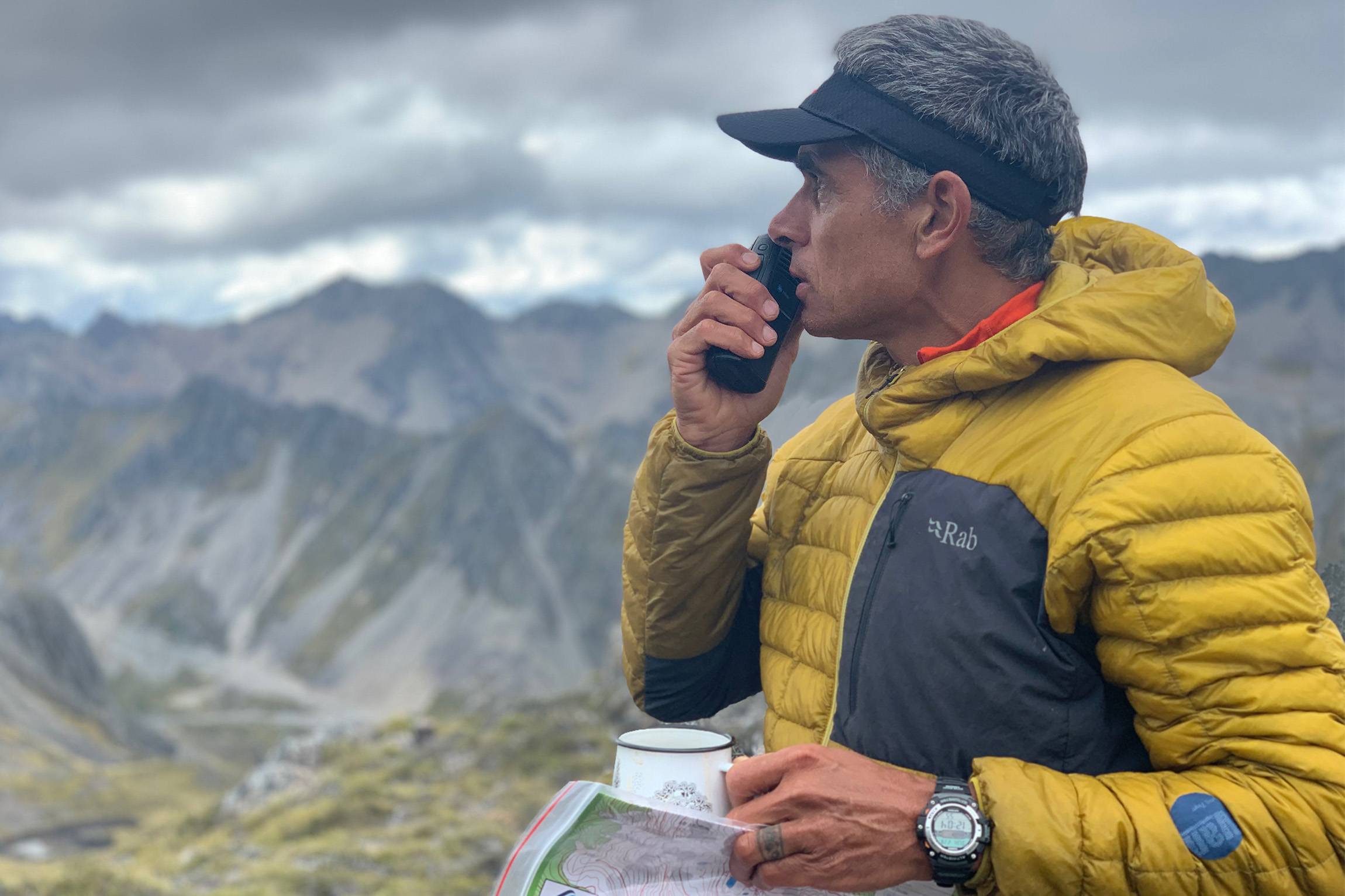
Seven-time adventure racing world champion and winner of Eco Challenge – World’s Toughest Race, Nathan Fa`avae knows a thing or two about endurance sports. But for this 53-year-old adventure racing professional from Tasman Bay (now retired), the secret to success is simply about taking that first step.
“Just step up and get involved,” Fa`avae urges beginners. “A lot of people hesitate or procrastinate because they feel they don’t have the skills, or that everything’s elite. But don’t wait; just get into it.”
Fa`avae’s own journey began with tramping and mountain biking before evolving into adventure racing. His team became the world’s most successful of its time. His own achievements span from multiple GODZone victories to world championships across five continents.
“The best way to train for these events is to do as many as you can,” he says. Fa`avae emphasises that both rogaining and adventure racing offer entry-level events through to elite competitions.
“All clubs and events are just so happy to see new people. They’re hugely welcoming environments.”



