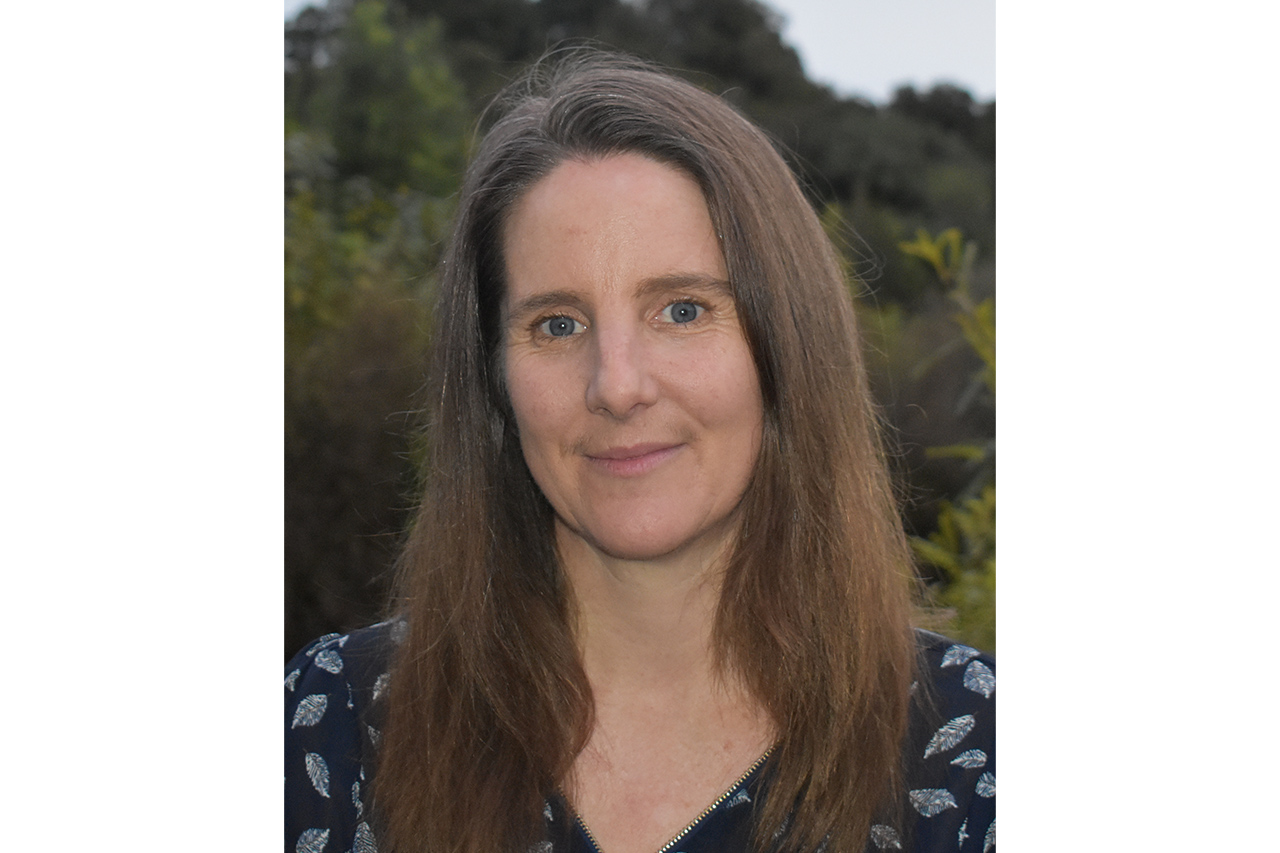
West Coast-based science writer Lynley Hargreaves has just written her first book, Vanishing Ice: Stories of New Zealand’s Glaciers. The book is a lavishly illustrated tribute to New Zealand’s geology in motion and shows there is far more to our glaciers than meets the ice.
What first drew you to science writing?
I read a lot of popular science as a kid and sort of fell into it by getting a job at Physics Today magazine when I lived in the US for a year. I followed that up with a journalism diploma at Canterbury and after that, it just sort of happened.
And how did you develop a particular interest in glaciers?
It’s mainly because my partner Brian is a glaciologist and I ended up going on many field trips with him which has been a lot of fun over the years. But I was always interested in mountain environments and I found New Zealand glaciers so interesting in terms of what they can tell us about the rest of the world.
Did you grow up in a tramping and outdoors environment?
I did do some as a child, but more so in my early twenties on moving to the South Island.
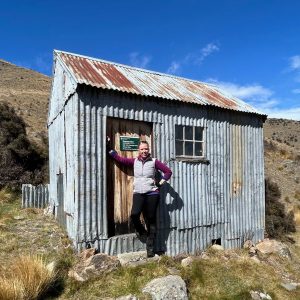
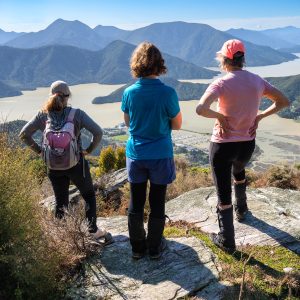
There was one large trip, which my partner and I did down the length of the South Island. We tried to stay west of the Main Divide, as much as our capabilities allowed. That’s when I got to visit places mentioned in the book, such as the Douglas Glacier.
What was your main purpose in writing Vanishing Ice?
I wanted to combine strands like mountain exploration and history with science and culture and look at how it wove together. The letters of explorers James Hector and Julius von Haast have been digitised in the last decade. It would have been impossible to tell this story without that resource. And a lot of the theories about how ice ages ended are very complicated and at the frontiers of science, so I also wanted to convey this in a way which was in-depth butstill accessible.
Despite overall retreat, there seem to have been brief periods of the country’s glaciers advancing. How does this occur?
New Zealand glaciers are quite fast responding because we have so much precipitation and because the ice is close to melting point. So a small change in temperature can make a big change to the amount of ice. Fast-responding glaciers like Franz Josef can go forwards and back quite a lot due to events like a cool summer. It’s worth remembering that 25 years of advance have been lost in less than a decade. So an apparent advance might seem spectacular at the time, but it is really just a blip.
Is the highly visual format of the book something you originally envisaged?
The book wasn’t originally my idea, it came from photographer Petr Hlavacek, who had been wanting to do this with publishers Potton and Burton for a long time. Robbie Burton contacted my partner to see if he would like to write a book about New Zealand glaciers and Brian suggested that I write it instead. But in the process I have turned it into my own thing.
What do you hope people will gain most from reading Vanishing Ice?
There are so many beautiful and funny stories about New Zealand’s glaciers that I hope reading it will be more of a joyful experience than an indictment of humanity’s neglect. I hope to interest people in the intimate details and uncertainties of science and New Zealand’s role in it.
Vanishing Ice: Stories of New Zealand’s Glaciers is available in the Wilderness store. Subscribers get a 10% discount.