A wrap of the biggest stories and best writing about the outdoors from New Zealand and around the world.
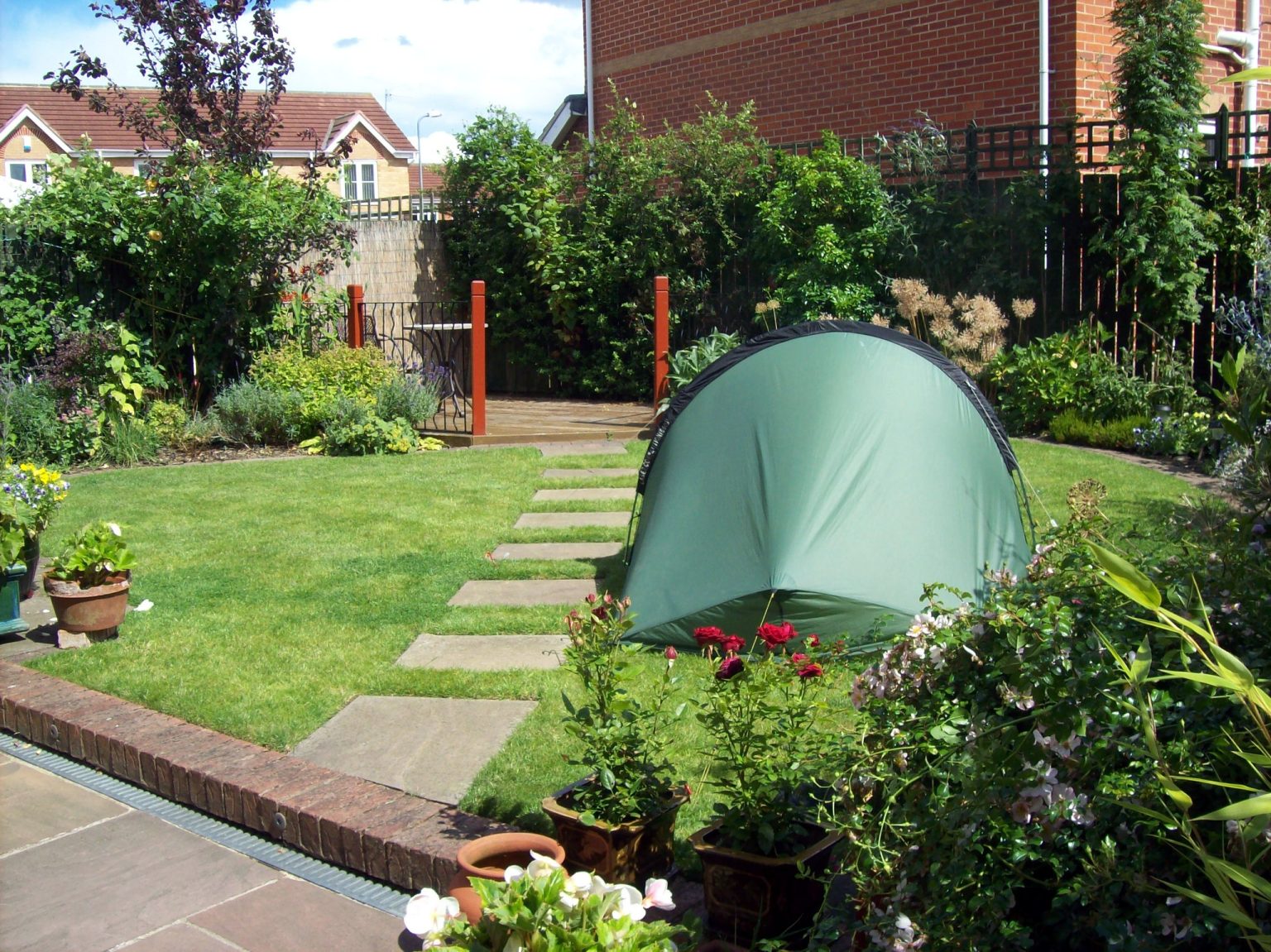
A boy who has camped outside for a year has said he will spend another two years in a tent so he can become a record breaker.
Joshua, 11, has been in a tent on the patio of his family home in Milton Keynes through storms, wind and rain. So far, he has raised more than £2,500 ($5,200 NZD) for the city’s Willen Hospice, where his grandparents were cared for.
Joshua said he is determined to beat the three-year camping out record set by Max Woosey, who became known as ‘The Boy in the Tent’. Joshua told the BBC, “It makes me happy to know I am supporting a good cause.
Emily, Joshua’s mum, backs her son to break the three-year camping-out record. She said she was incredibly proud and it was “hard to remember life before the tent. He is stubborn, much like my dad, so he will definitely do it [the three years], and he will have just turned into a teenager by the time he finishes.”
Forest and Bird president says Fast-Track Approvals Bill is one of NZ’s biggest conservation challenges
The NZ Herald is reporting that Tauranga’s Kate Graeme, Forest and Bird’s first woman president, views the Government’s proposed Fast-Track Approvals Bill as one of New Zealand’s biggest conservation challenges. The bill aims to streamline and speed up consenting for major projects including infrastructure, energy, housing, and mining.
It would give three ministers – Chris Bishop, Shane Jones and Simeon Brown – power to make the final call on projects, even if the decision goes against the advice of expert panels. It could also override environmental protection requirements under legislation including the Conservation Act, the Wildlife Act, the Crown Minerals Act and the Resource Management Act.
The Government says the new one-stop-shop consenting regime is needed to cut red tape and long, expensive approval processes, and it is open to making changes to the bill.
Graeme said she believed potentially undermining environmental protections put in place over decades was “fundamentally flawed” with “public input and scientific advice” vital for decision-making.
Inside the expeditions documenting the Congo Basin
The Congo Basin in central Africa is one of the largest wilderness areas left on Earth, spanning 3.4 million square kilometres. It’s home to over 10,000 species of tropical plants and more than 2,000 species of animals – many of which are unique to the region.
As Africa’s largest river basin, it crosses the borders of multiple countries and is one of the world’s biggest carbon sinks, absorbing carbon from the atmosphere and locking it away.
Despite its significance, a large portion of it remains undocumented to science. Steve Boyes, founder and project leader of The Wilderness Project, is gathering scientific information across the length of the Congo River. “There’s magic, there’s mythology, there’s power to these rivers,” Boyes told CNN.
In April and May of this year, Boyes’s team worked extensively along the furthest source of the Congo. The 33-day canoe voyage was the first scientific expedition to travel the length of the Chambeshi and document its landscape and communities to see how the river evolves as it makes its way across the country.
Wānaka bridges expected to reopen this summer
DOC Central Otago Operations Manager Nicola Holmes says after in-depth engineering, geotechnical, and design assessments, work is now scheduled to begin on the Rob Roy, Blue Pools and Makarora bridges in the coming weeks.
“We’re thrilled to be at a stage where we can confidently begin the next stage of work and get these bridges reopened for our community,” Nicola says.
“This work is a significant undertaking requiring bespoke engineering and logistics – it takes time to achieve but now having done the prep work we’re in a great position to press forward.” Prefabrication work takes place largely off-site and has begun already. Work on the ground is expected to start in the coming weeks.
Before their closure, the Blue Pools and Makarora bridges, both on the popular Blue Pools Track, were visited on average by around 550 people a day in January, with around 75 people per hour crossing during peak time. Rob Roy Bridge, which is the only access to the Rob Roy glacier track, saw around 180 people per day over summer.
100 feral cats caught in Queenstown Lakes’ Rees Valley
RNZ is reporting that feral cats are causing the deaths of countless native taonga according to conservationists. The apex predators can weigh up to 7kg and feed on everything.
The Southern Lakes Sanctuary Trust, a collaboration of local groups trying to protect and restore declining biodiversity, is working to tackle the problem in the Queenstown Lakes area. Planning manager Katrina Black said the groups were working, “through farmland, braided rivers, native forest, up into the national parks, right up into the sub-alpine and alpine environments as well and we’re finding feral cats throughout the whole region.”
When group members started trapping at Mount Creighton Station, they spotted about five cats on their cameras. Across 20 nights, they trapped 37 feral cats using 10 live capture traps along a 1km to 2km stretch of Lake Wakatipu. “Our minds were blown that that was the number of cats that were in that area,” she said. Last year, they caught about 100 cats in the Rees Valley.