A personal locator beacon takes the ‘search’ out of search and rescue. They’re compact, lightweight and, when compared to the potential cost of not carrying one, inexpensive. One should be carried on every trip – no matter how short.
How they work
Within a few minutes of a PLB being activated, a signal is picked up by a satellite and sent to Rescue Coordination Centre New Zealand, which uses the data to determine the exact location of the beacon. RCCNZ will contact the people listed on the beacon’s registration details to determine such things as the intentions of the party, the number of people, and the equipment being carried. When the position has been determined, a rescue operation is launched.
When to activate?
Distress beacons should be used in life-threatening situations and where self-rescue is not possible. RCCNZ advises erring on the side of caution and to activate the PLB when there’s plenty of daylight left, as it’s easier and more convenient to search during the day than at night. Once activated, keep the beacon turned on and in one place – if possible, find a clearing and remain there until help arrives.
Tips
»Keep your device on you rather than in your pack.
»Ensure everyone in the party knows where the beacon is and how to operate it.
»When possible, have more than one PLB in the group, but operate only one beacon during an emergency.
»Make sure your PLB is waterproof and can float – or comes with a flotation device.
Two PLBs to consider
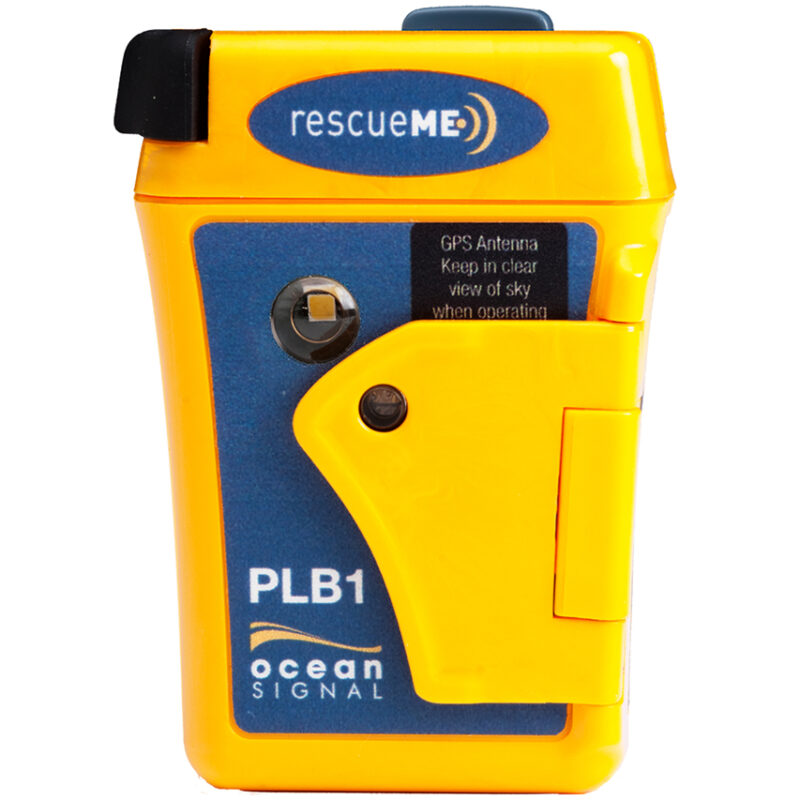
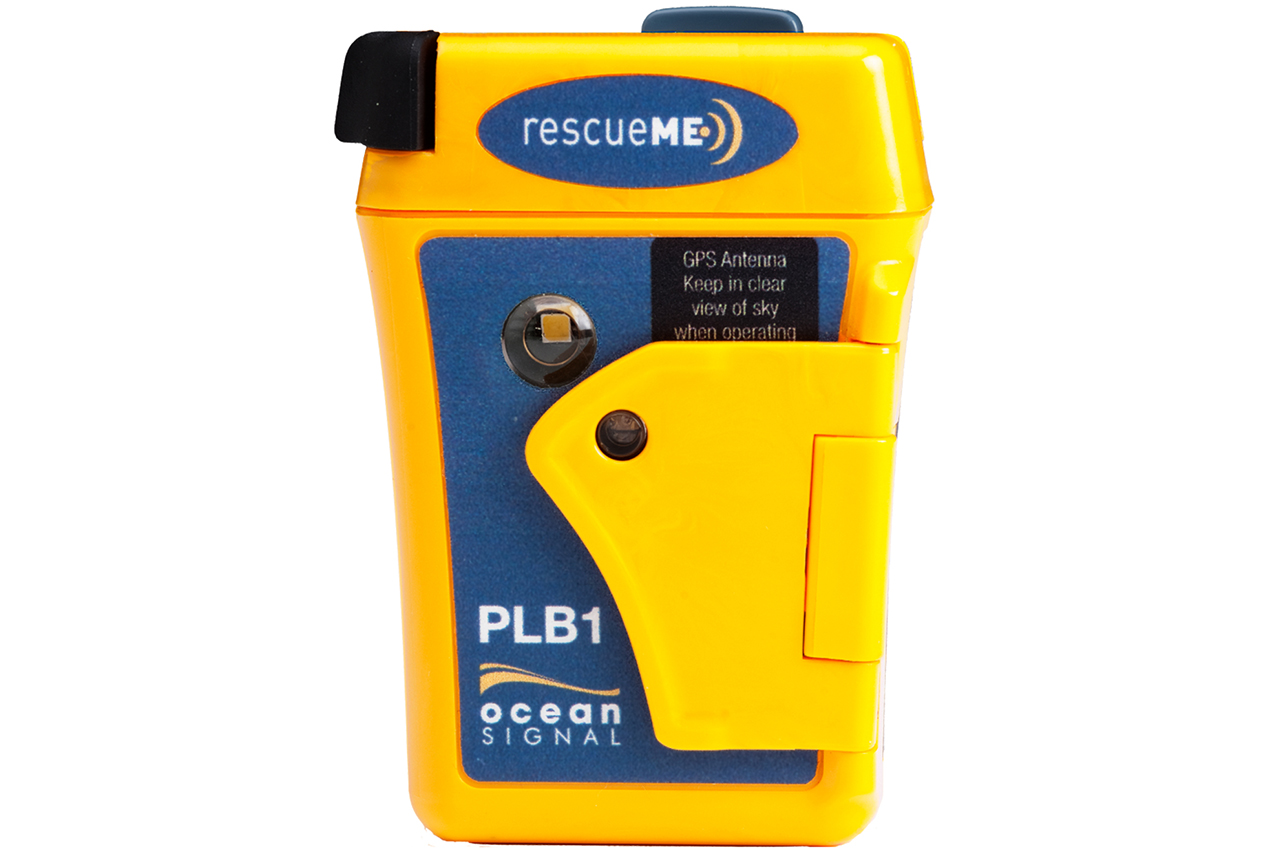
Ocean Signal rescueMe PLB1 $599.99
Single-handed operation, 406MHz and 121.5MHz transmission, seven-year battery life, seven-year warranty, 66 channel GPS, minimum 24hr operation, flotation pouch, mounting clip, bright strobe light. 116g. www.lusty-blundell.co.nz
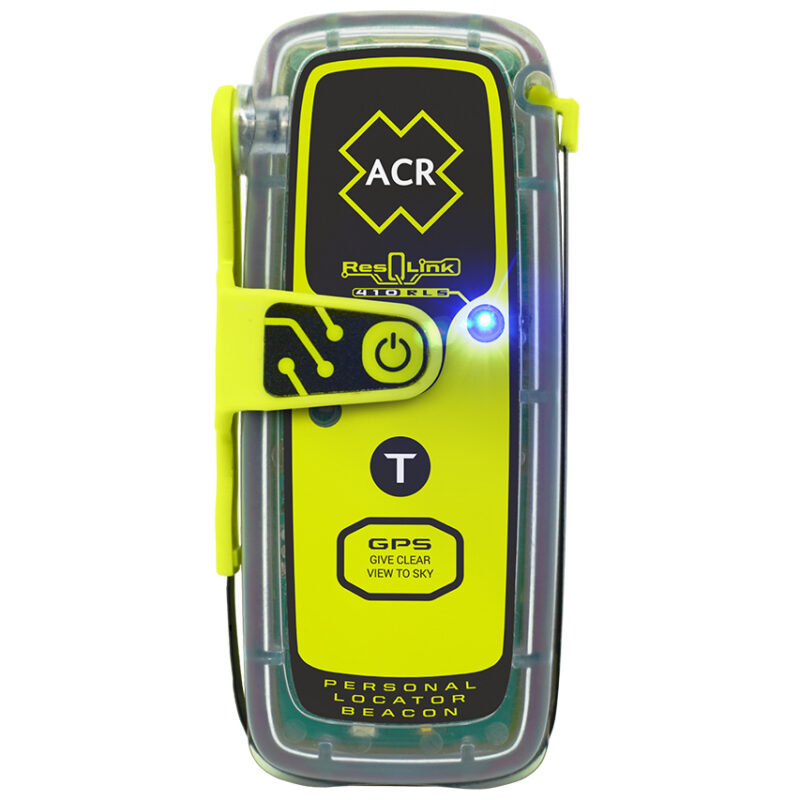
ACR 410 RLS ResQlink $679
Compact PLB with Return Link Service (RLS) to confirm to the user that the beacon’s distress signal has been received and the location detected, built-in buoyancy, strobe and infrared strobe, minimum 24hr operation, multifunction clip system included. www.hutchwilco.co.nz