

“A trainer will develop a sensible programme, allowing progressive adaptation of the tissues, tendons and ligaments so they can cope with the load they will be placed under.”
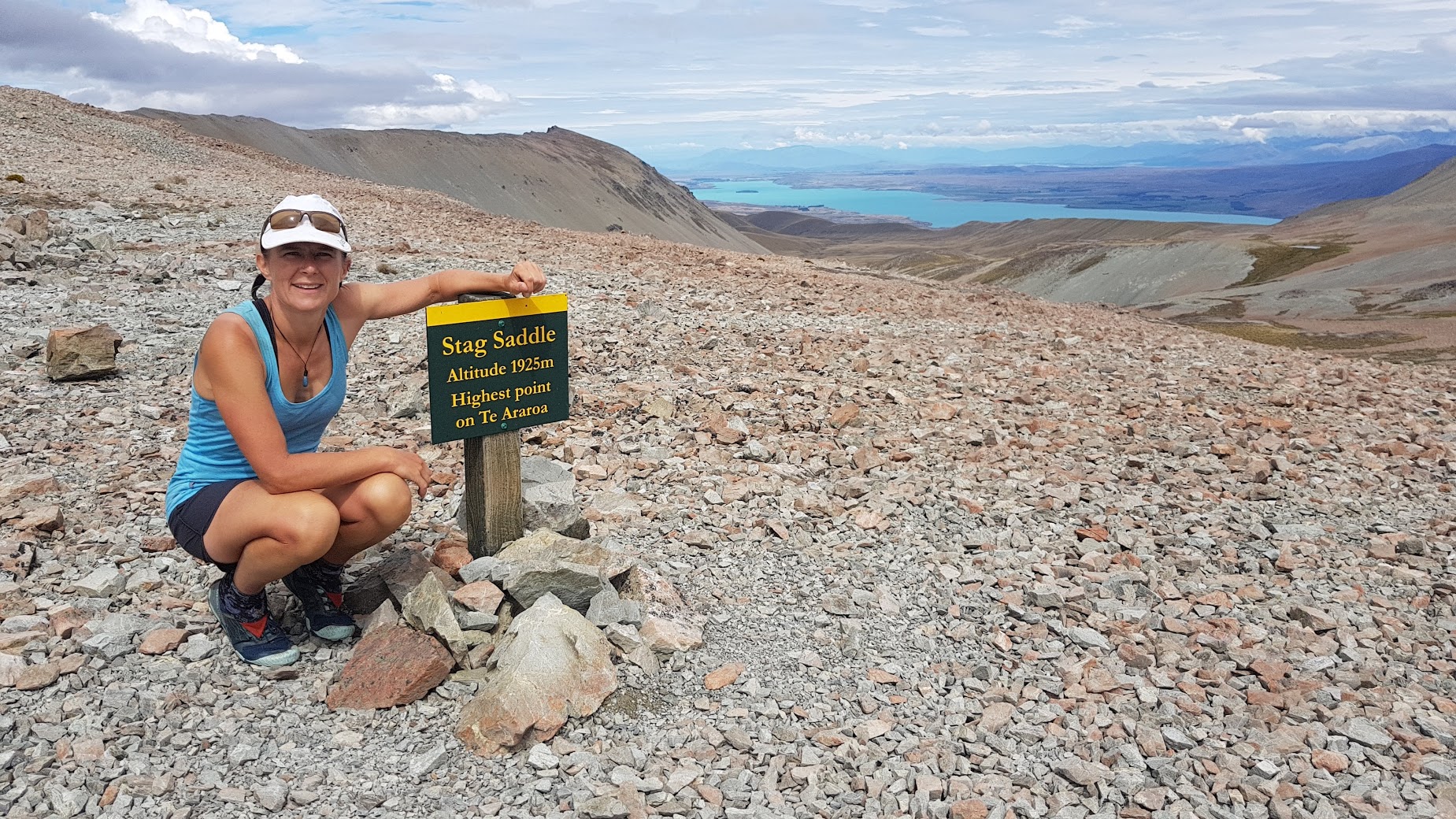
Marlies Dorrestein, who turned 60 while walking the South Island leg of the trail, went to a personal trainer three times a week, doing strength training, and yoga twice a week in preparation.
“On previous tramps, I’d get incredible knee pain,” Dorrestein says. “I wanted to prevent that, and after strengthening my legs I didn’t have any problems. It made a huge difference.”
Once your body has adapted to the physical rigours of trail life, something called ‘hiker hunger’ begins.
“At first I wasn’t very hungry,” Stacey says, “but after two weeks it really kicked in and I started missing real food. Initially, I just planned to eat basic food, but I started to get massive food envy and ended up buying a huge lot of Backcountry meals which I sent in supply boxes for later in the trail.
“Looking forward to food was often the thing that kept me going.”
By the time Stacey reached Hamilton, she’d lost 3kg.
Dorrestein lost 9kg on the trail. Already petite, she tried to put on weight before starting the trail in preparation.
“My metabolism sped up like crazy,” she says. “I had very carefully planned what food to take, but I still couldn’t get what my body needed. I was always hungry.”
Simon Kerridge, who completed the 4300km Pacific Crest Trail in September, lost a whopping 13kg during the four-and-a-half month trek.
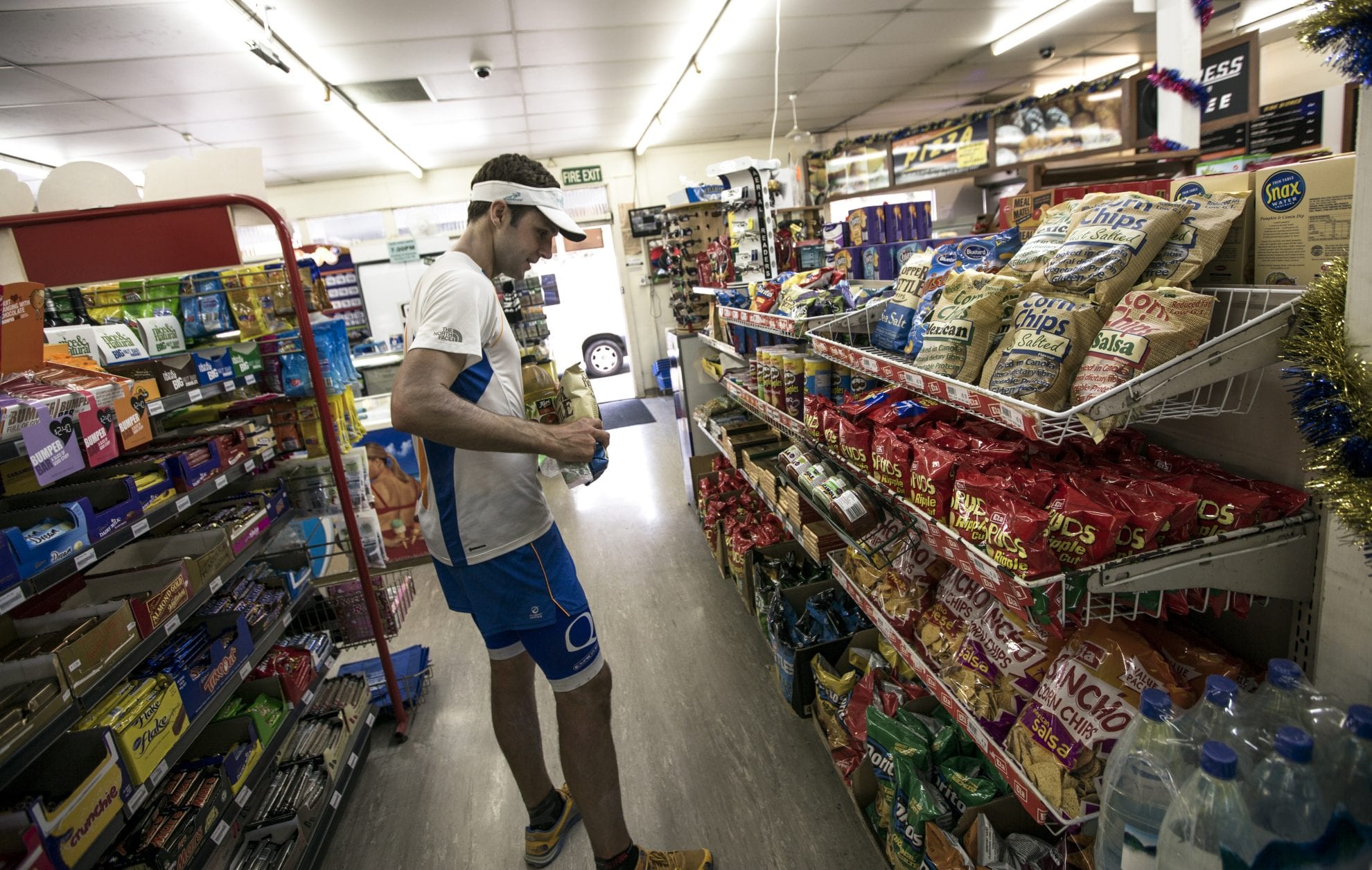
“After about two weeks the hiker hunger got really strong and I was eating disgusting amounts of food,” Kerridge says. “It just became about getting enough calories. I’d eat chips and chocolate bars – nutrition went out the window until I reached a town.”
University of Otago human nutrition lecturer Dr Katherine Black says our metabolism increases with the amount of energy we expend and as our muscle mass increases.
She says having a deficit of calories and losing weight can lead to health problems, so regularly eating energy rich foods is crucial. That means chocolate bars and crisps can actually form part of a healthy diet.
“If you’re burning off the calories, then eating that kind of food isn’t detrimental to your health,” Black says. “The biggest difficulty will be eating enough. If you aren’t getting enough calories and you’re losing weight, your body starts to shut down with serious health consequences.”
Exercise can also suppress your appetite, so it’s important to eat regularly, even if you’re not hungry.
Although crisps have a high salt content, that’s not necessarily a bad thing on the trail, she says.
“Eating high-salt foods stimulates thirst and when you sweat you lose electrolytes, particularly sodium, so salt will help there.”
Black says electrolyte sachets probably aren’t needed, provided you’re getting enough salt in your diet.
Nuts and seeds are also energy-dense foods which are lightweight, snackable and can be added to meals to increase the calorie content.
“Nuts are a good source of protein and also provide a lot of healthy fats.”
High-energy milk powder can be added to meals to boost the amount of calories.
Dehydrated food is a good way to get fruit and vegetables, but Black recommends stocking up on fresh food while in town.
Another change that often happens to your body on a thru-hike is the amount of weight you’re carrying. Most people find they’ve packed too much at the start and take a few weeks to find the optimum pack weight.
Bilby says going ultralight was the best decision he made.
Black recently studied participants in the GodZone Adventure Race and found those who were continually snacking did a lot better than those who only ate when they felt like it.
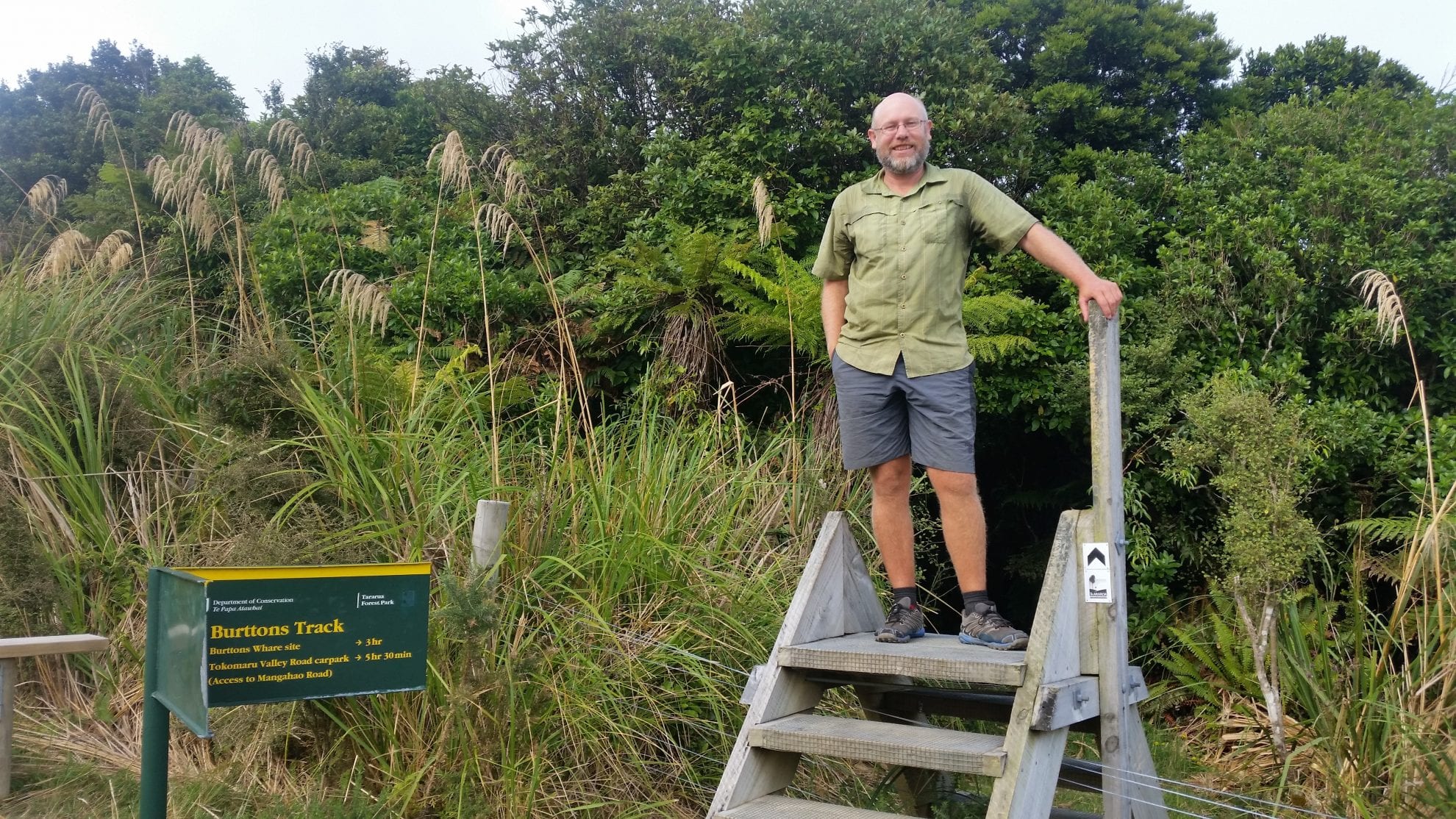
“My base pack weight was 4kg,” he says. “I still had a full tent and sleeping bag and I wasn’t sacrificing comfort or safety. It makes walking easier and more enjoyable, and you don’t have to be quite so fit.”
Kerridge halved his pack weight on the PCT, from 20kg to 10kg.
“It made a huge difference,” he says. “Carrying a heavy pack is a vicious cycle – you walk slower and consume more energy, so you have to carry more food and water, which means your pack is even heavier.”
The other change that happens on a thru-hike occurs in the mind.
“My mind was really busy at first, but then it started quietening,” Stacey recalls. “Just listening to the sound of nature, it’s like therapy. It takes your mind away from the every day.”
Smith says the reason people feel so good is because that’s how active we are supposed to be.
“People talk about aiming to do 10,000 steps a day, but really we should be doing 30,000. If you’re walking every day you will feel better, your cardio fitness will be better and you’ll truly know what feeling healthy is about.”
But she says it’s important to understand it won’t all be a walk in the park
“Know that there will be tough times and you will have to dig deep and get yourself through,” she says. “This is when going back to simple things, like just putting one foot after another, can help. Break what is in front of you into smaller chunks.”



