Trail running is much like tramping. Both involve tracks, dirt roads and off-track travel. The big difference is that trail running is done at a quicker pace. So what else is the appeal? Megan Sety sat down with tramper-cum-trail runner Stuart Meiklejohn to find out.
How did you get started in trail running?
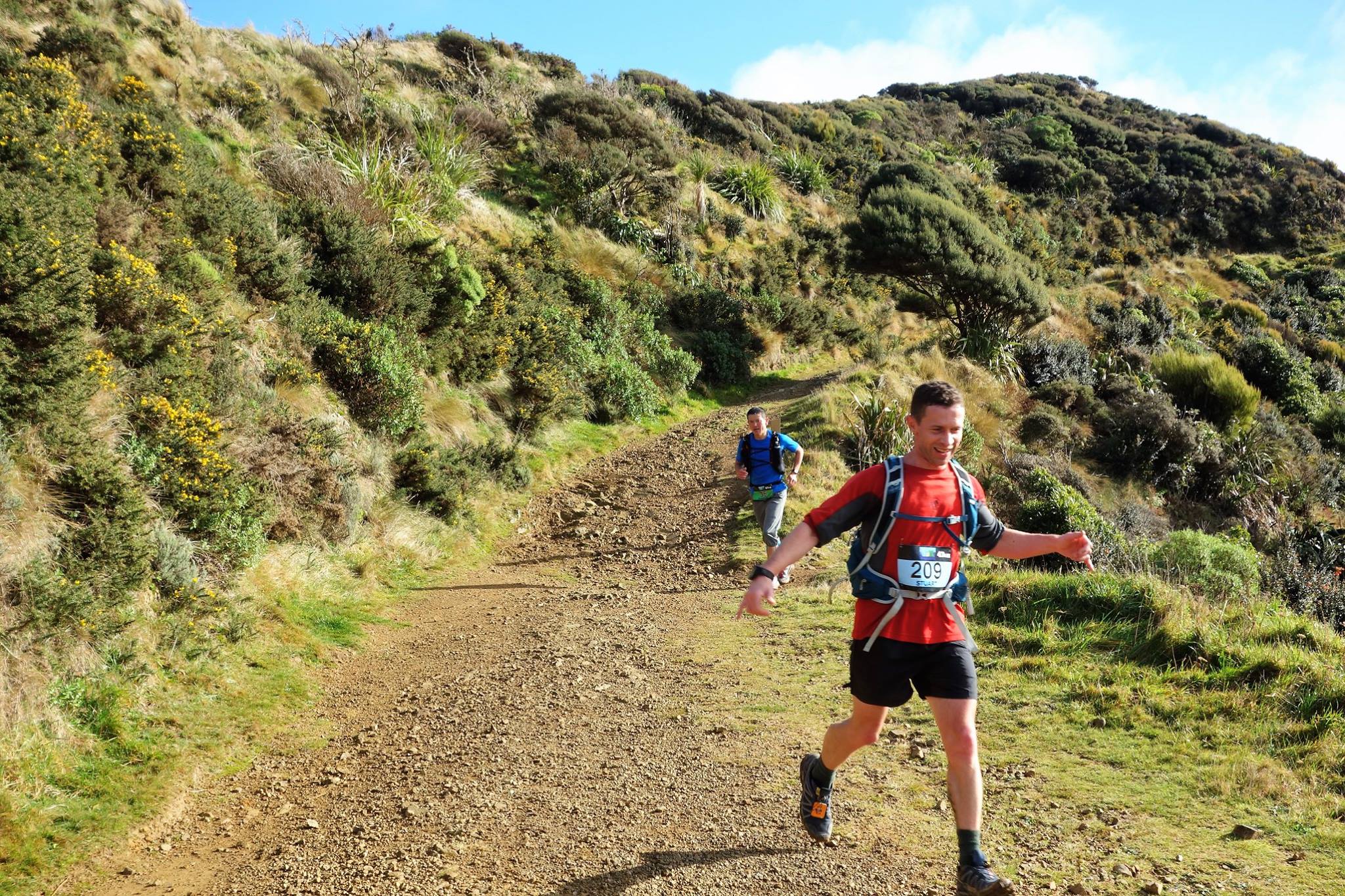
The Jumbo-Holdsworth race in the Tararuas was my first race. I’d given up running on the road because I found it too hard on my knees. I was still tramping and thought the Jumbo-Holdsworth would be fine since I’d walked it before. It didn’t go particularly well. I was alright on the uphill, but the downhill was quite painful.
It was a few years before I tried again. I really enjoyed the adventure and challenge, so I joined an active running group. I didn’t have the knee problems anymore and the running group introduced me to easier runs.
I’m a tramper, should I just go for it?
You might be fit enough to do a trail run if you’re a fit tramper, but running can be hard on the body so you want to train properly and build up carefully.
Running on the road can get you running fit, but downhill on trails is harder than uphill – there’s a genuine skill to running on trails.
What’s a good way to get started?
Run the local hills, start small, build your way up. Join a local running group – but check them out first and be sure they know what they’re doing.
Even if you know where you’re going like the back of your hand, always take a map, phone or GPS. If it’s a serious trail, take appropriate clothing, check the weather, tell someone your intentions and go with a friend.
What skills and gear do I need?
Basic navigation skills like knowing how to read a map, compass and GPS. Practise running on mixed terrain – uneven ground and downhills.
You may get by in regular running shoes unless the terrain is difficult or technical. The biggest difference in proper trail shoes is grip.
For longer runs, you’ll need to carry more gear so you’ll need a day pack. At a minimum take wet weather gear, thermals, navigation tools, water, food, emergency blanket and a first aid kit. Get used to running with all your gear.
How do I pick my first run or race?
Look for runs with straightforward trails so the navigation and terrain will be easier. It helps if you’ve walked it before since you’ll know what to expect.
Why do you like it?
I do like the adventure. I’ve gotten to run in the Gobi desert, Chamonix, Scottish Highlands, the Blue Mountains of Australia and in the Philippines. With a pair of shoes and not much else, you can see the world.




Adventures don’t have to be big