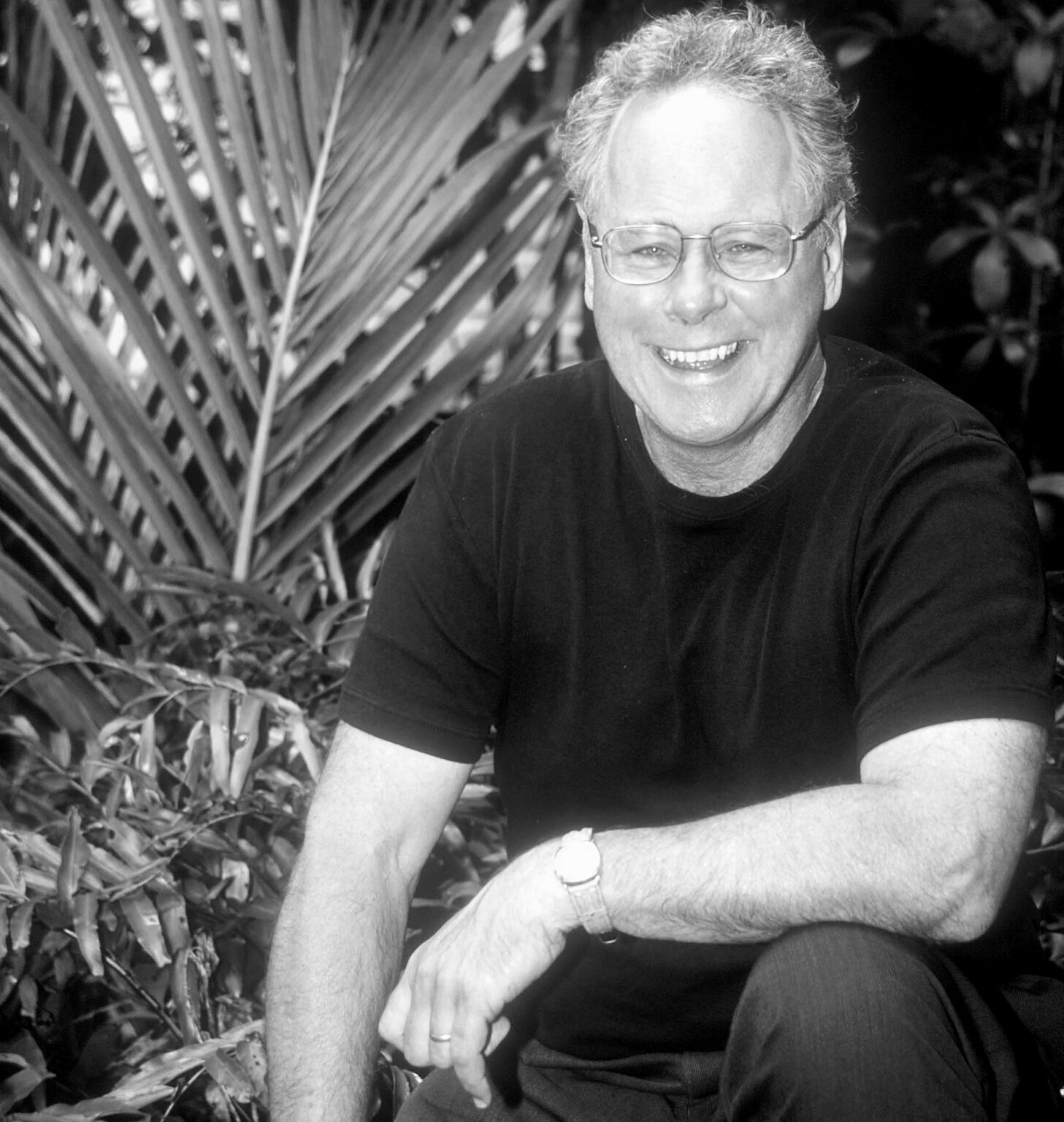
David Young’s new book Wai Pasifika explores why indigenous voices of the Pacific should be listened to when it comes to freshwater ecology.
This isn’t your first book on freshwater – has it been a lifelong fascination?
Most definitely. It would be hard not to [be fascinated] with your eyes open in Aotearoa, wouldn’t it? I grew up very close to the Whanganui River and spent a lot of time on the Turakina River. It’s not a large river, but my family had a bach right on the estuary so I guess that’s where my focus was for many holidays. I spent many years kayaking and fishing all of the cycles that you have around an estuary and watching the birds that came and went. So I’ve always been fascinated.
In your book, you explore the Pacific connections with wai – what were you trying to show the reader?
The book became a way in which someone like me could approach other pākehā and say, look, there is another way of seeing the world. We all understand that running the world the way it is is not very wise or prudent, and it takes very little account of respect. The manifold wonders of water include an invitation to begin to shift from the cultural bounds that are making us all so miserable and so destructive, into a slightly slower approach to life that is more respectful of nature and of one another, which is, I think, a fair thing to say about indigenous culture without wanting to over romanticise it.
Do you feel Western society takes water for granted in a way indigenous cultures don’t?
Yes, I think that point is a really important one. The reason why there’s respect for nature in indigenous culture is because they learned the hard way. Māori made some shocking mistakes on their way to reaching more of a state of equilibrium with nature. When it comes to Western culture, I think it’s so tempting to allow convenience to determine every step of our lives. If we’re not careful, we finish up being cosseted in comfort, ease and convenience over any other thing we might have to do in our place on the planet. We’ve created this society where we’re not only singing our own praises as a supreme predator ruling the earth, but we think we’re the supreme civilisation, which I think is a terribly erroneous concession.
I’ve noticed a shift – particularly in conservation – where departments are working closely alongside indigenous knowledge. How does this make you feel?
I’m excited. It was quite a visionary thing for DOC to be the first government department, whose job was to give effect to the Treaty of Waitangi, as opposed to consulting on it. And that has had an enormous spinoff, I think, which is still going on.
Having researched and written the book, how do you feel about New Zealand’s future?
I think there’s been a shift, and that shift is still going on. It’s never easy, necessarily, working with Tangata Whenua, because there’s these two cultures that are trying to work alongside each other. You can’t expect just peace and light if you’re going to put your hand up and say, ‘I’m going to do some work with you guys’, because it won’t always be a plain ride. And I think that’s part of the nature of it; they’re going to want to test you and make sure you really are there for the long haul. But I think that the benefits are the magic of learning about this almost hidden culture in our landscape, and the stories that go with it add so much more to our appreciation of natural biodiversity. The pākehā who are awake, we are discovering not just the satisfaction of working [with Māori] in a common cause towards repairing such gross violations of nature, but we’re also learning these amazing depths to this culture, notwithstanding the incredible pillaging and violation that has gone on.