Thrills and skills are all well and good, but outdoor ed is also about learning about the environment, writes Josh Gale
Outdoor educators Dave Irwin and Liz Thevenard want to save the world one student at a time.
They say for too long outdoor education has been about giving “thrills and skills” rather than social and environmental understanding. And with a growing list of big picture woes, such as biodiversity loss, climate change, overpopulation and peak oil, they say that needs to change, and fast.
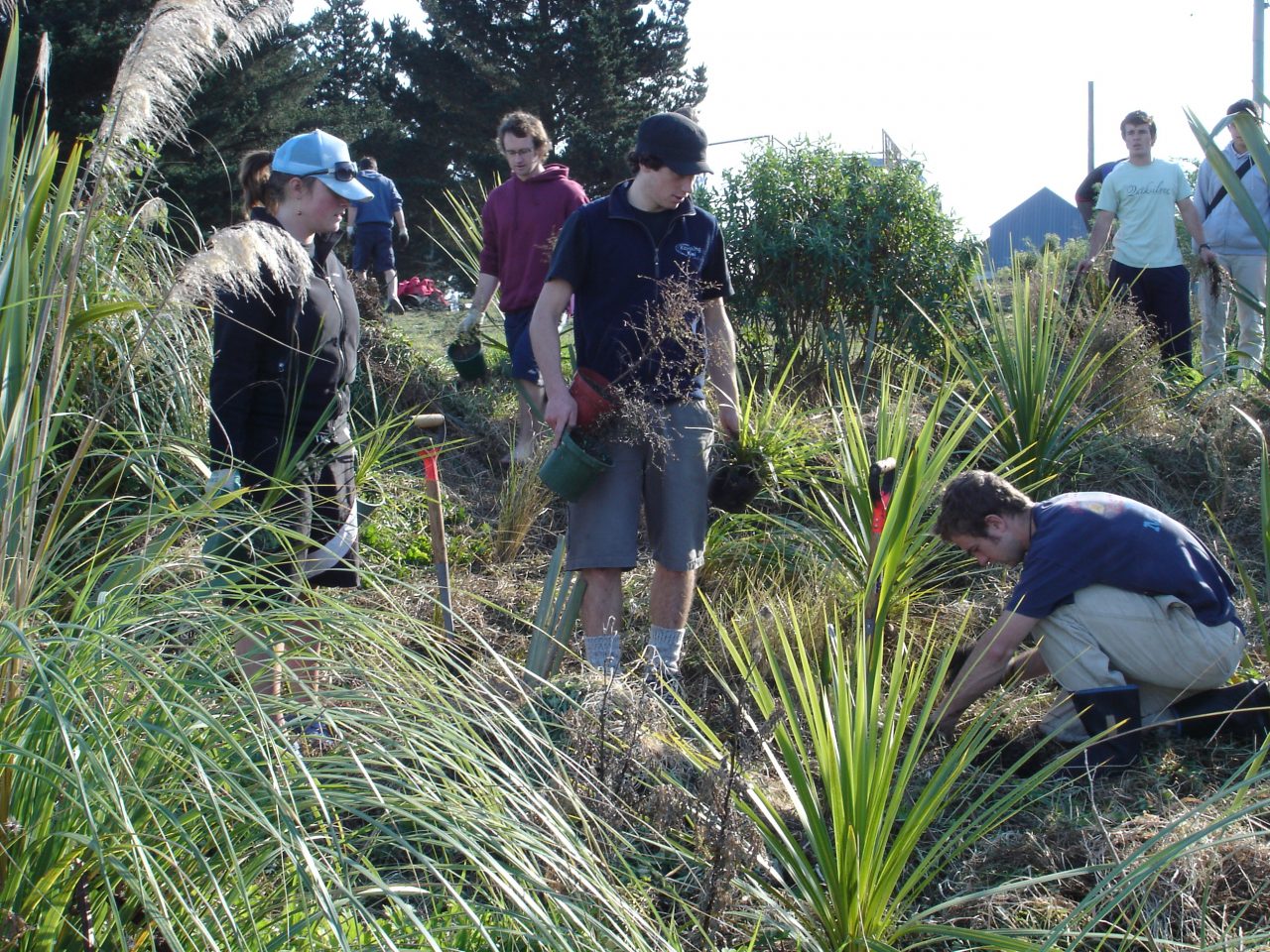
Christchurch Polytechnic Institute of Technology’s (CPIT) recreation lecturer and instructor Dave Irwin says outdoor education provides an opportunity to ground global problems on a local level, empowering students to do something about them.
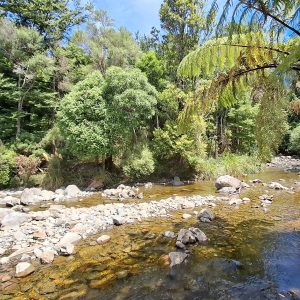
“I would argue in all areas of education we have a moral and ethical responsibility to teach about the impact humans are having on the environment around them,” Irwin says. “In outdoor education we’re taking students into local environments so, for example, if we’re floating on a river at risk of having the water extracted for dairy farming, I think we’ve got an obligation to talk about the issue with students.”
Liz Thevenard is a senior lecturer in education outside the classroom at Victoria University and the chairperson of Education Outdoors New Zealand, a grassroots advocacy organisation promoting increased participation in quality outdoor learning experiences.
She says not long ago New Zealanders were much more engaged in the outdoors, often in practical ways that gave them a good understanding of their local places and the environment around them.
But that’s changed, she says.
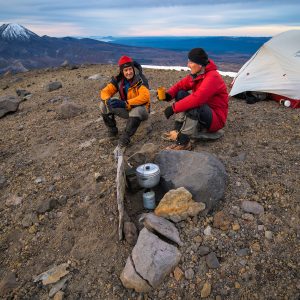
“There’s been a trend, which I think has been driven by tourism, for outdoor experiences to take place well away from where students actually live and it’s become about swinging from high ropes and whizzing down rivers,” Thevenard says. “That type of outdoor experience isn’t always accessible to many New Zealanders.”
Thevenard is concerned about kids she knows of in Auckland who’ve never been to the beach and a generation of classroom and house-bound child gamers who don’t know where their food comes from.
She says places like Wellington’s greenbelt is accessible to many families and schools, but is rarely utilised for the purpose of outdoor education.
“Opening up environments that kids can access easily is really important,” she says. “That whole connection with what’s around us is something that has been lost.”
“I think the [recent] riots in England are possibly an outcome of this problem, of a growing nature deficit in society.”
Dave Irwin is honest about the fact that teaching students about controversial issues such as water sustainability in Canterbury is a political act.
“Education is political no matter what you do,” he says. “If you choose not to teach it, that’s also a political action. If you do, it’s a political action. You can’t remove politics from education.
“I think it’s really important teachers present a range of perspectives – what does water mean for this group of people, and what does it mean for this other group and what does it mean for the environment?
“Good teaching is about allowing students the opportunity to challenge the perspectives they have and form new perspectives if they choose to. It’s not about ramming down their throat ‘this is the way the world is’.”
Irwin says the advent of NCEA and its technically orientated unit standards pushed outdoor education to focus on activities and skills that allow students to move through the system.
“NCEA technicised outdoor education and turned it towards more vocational goals,” he says.
However, Irwin says thanks to influences such as UNESCO’s decade of Education for Sustainable Development and growing awareness of climate change, many outdoor educators are now trying to weave global issues into their teaching plan.
“It’s still in its early stages, but there is change happening out there,” Irwin says.