Tramping is like riding a bike – sooner or later you’ll fall off. It happens to everyone. With tramping, falling off might mean having a scrape with nature that, in hindsight or even at the time, gives you a hell of a fright.
Who hasn’t been caught in torrential rain or in blowy conditions? Most times it’s not a problem, you reach the campsite or hut and find safety in your shelter. But on occasion, we find ourselves in a predicament that could go either way. Mostly, it goes the right way, because we make the right decisions or simply through sheer good luck. As much as I’d like to think I know my way around the bush, the reality is I’ve got a lot to learn and luck has played an outsized role in the positive outcome of some of my ‘near misses’, like the solo crossing of the Pyrenees where I attempted to walk from Spain to France only to find myself spectacularly out of my comfort zone, in a freezing storm with zero visibility and hopelessly lost. All that on just the second day of the trip.
But learning from a near miss is what makes us better trampers and outdoors people. It gives us the experience we need to persevere in other areas of life as well as when the going gets tough on the third day of your Easter Weekend tramp.
In this month’s feature, we look at four ‘near misses’ and the lessons that can be learned from them. Hopefully just reading it will help you deal with similar crises when they strike because let’s face it, sooner or later, something will go wrong.
I have some sympathy for the SPCA’s stance on 1080 – as the organisation tasked with protecting the well-being of all animals, it’s understandable it should want to prevent unnecessary suffering, even of the introduced pests like rats and stoats that eat 1080 poison.
But in calling for a ban on the toxin, the SPCA is putting not just the welfare of these voracious predators above that of our native species, but also their right to exist. Because it’s very clear: without 1080, many of our native birds would have been wiped out long ago. And I have no sympathy for that outcome.
Apply for the 2027 Shaun Barnett Memorial Scholarship
Boundary Creek Track, Hāwea Conservation Park
Review: Rab’s Neutrino -6°C provides high-performing comfort for the long game
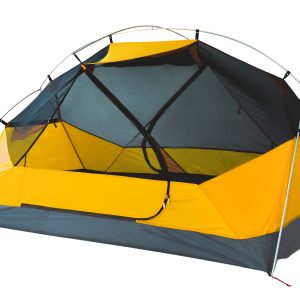
Orson Hopper Pro 2 Tent review
The coach steps ashore
Subscribe!
Each issue of Wilderness celebrates Aotearoa’s great outdoors — written and photographed with care, not algorithms.Subscribe and help keep our wild stories alive.