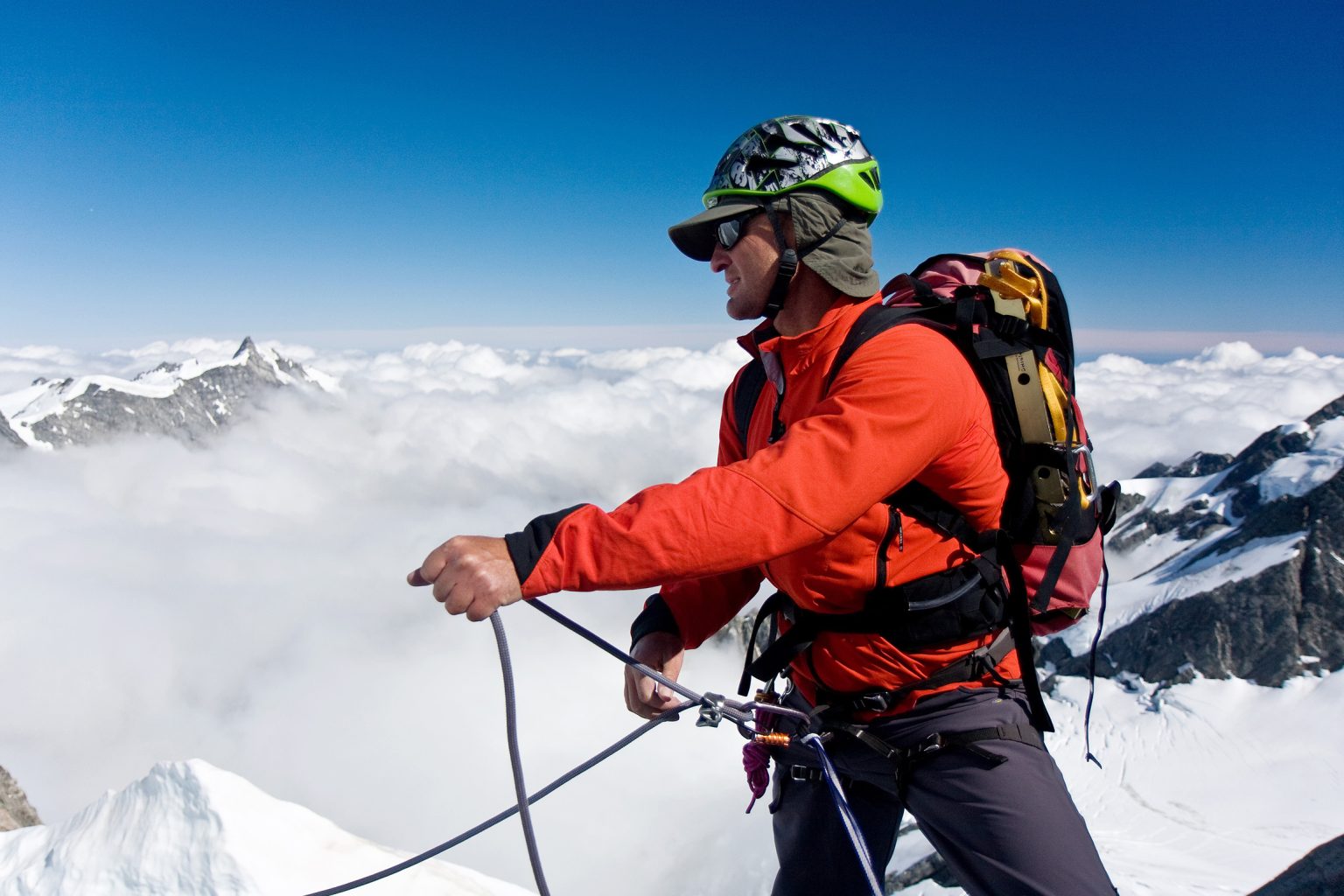
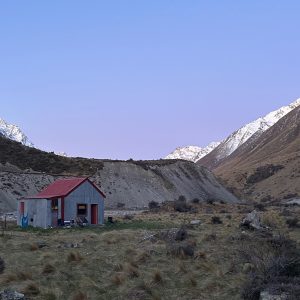
After three years and plenty of mahi, Paul and Shelley Hersey’s much anticipated guidebook The High Pathways: Mountain scrambles and snow climbs of Te Waipounamu is now available from New Zealand Alpine Club.
Tell us about the guidebook and its intended audience.
SH: It was an inherited project, a hit list of about 100 grade 1 and 2 routes for experienced mountaineers to tick off. But it evolved considerably and is now mostly aimed at beginners, because we saw a real need for something they could get their teeth into. We whittled down the list to about 50 peaks so we could give good route descriptions. For each region, we’ve started with what could be considered a tramping peak, extending through to a more challenging aspirational peak. We’ve tried to make it as accessible to the audience as we can.
How did you divvy up the research?
SH: There were plenty of lower South Island climbs from my university days that I remembered fondly and wanted to revisit. Paul was the same with climbs he had done further north. There were also many we did then crossed off the list because we didn’t think they were good enough experiences overall.
PH: We didn’t just want good peaks – we wanted a worthy experience from out of the car and back to it.
SH: We spoke to a lot of people within the outdoors community too, and were lucky to draw on their expertise.

Cultural considerations and caring for our mountains emerge as key themes.
PH: The old guidebooks were about early European explorers – there might be a mention of a Māori guide they used, but that was about it. We realised that needed to change. We were lucky that Nic Low agreed to help, providing a Ngāi Tahu perspective.
SH: It was important to have cultural considerations woven throughout the book. We wanted it to be specific to each region and integrated.
PH: In terms of environmental impact, there’s just more people in the mountains these days. The biggest cost of running alpine huts is flying out human waste. So, we’re trying to create awareness for the next generation.
Which trips really stood out for you?
PH: When Shelley was coming back from an injury, I looked about for something low key. But Shelley wanted to do Mt Adams. It goes from sea level to about 2200m, so it’s a major mission, and it ended up being quite a hard trip for us. It was pretty slippery and average, but we got there in the end. It was a good example of how not to underestimate grades 1 and 2.
SH: They might not be technically difficult, but you’re still ascending a lot of metres, sometimes through rugged country. Access can be the most challenging part – and if you don’t go the right way, it’s not going to be a grade 1 or 2.
PH: Also, sometimes a climb that’s been historically graded 1 or 2 now isn’t because of climate-related access issues. That also shaped what we included.
What else can you tell us about the book?
SH: There’s a magnitude of difference between a grade 1 and a grade 2+, and climbs are dependent on the conditions. Readers might think that they can take this book and just tick off all the climbs because they’re only grades 1 and 2. It should be totally doable, but there’s a lot of judgment and skill that goes into being able to do that safely. Conditions and weather can change a straightforward climb into something much more challenging.
PH: Don’t just follow the line on the map, because things change all the time – weather, team dynamics, kit, access, river crossings. Providing detailed route descriptions is risky because people might just stick to the line regardless. It’s still about being in the moment and making good decisions – and always being happy to turn around rather than summiting at all costs.