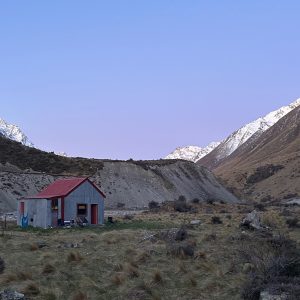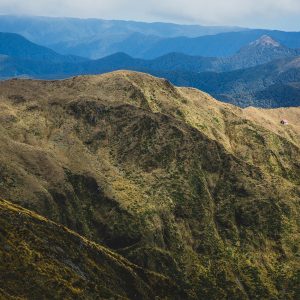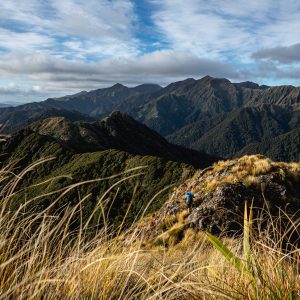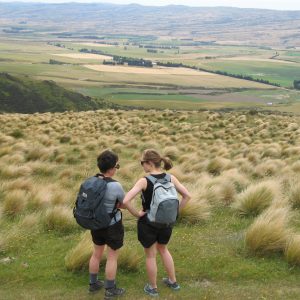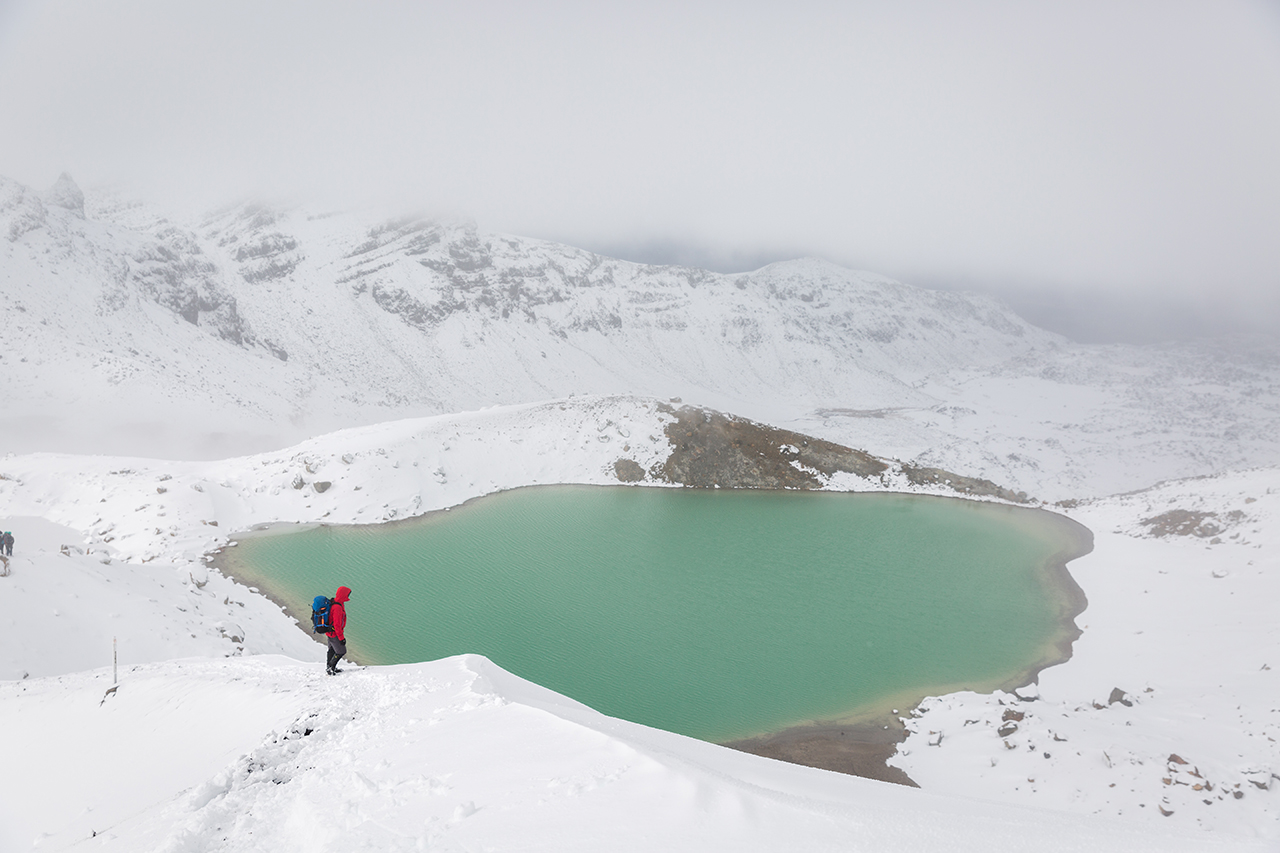
I have known clear blue skies to turn to thick mist in 15 minutes. The view of the valleys disappeared and it was difficult to see more than 20m ahead. In snow, the cloud can merge with the horizon, creating white-out where everything looks the same – even your perception of up and down is distorted. In such conditions, even the most experienced tramper can get disoriented.
Plan and prepare
Before you leave home, you’ll have checked the forecast and prepared accordingly. But you should also plan for un-forecast changes to the weather. Check your map and identify potential hazards. Have a Plan B in mind if the weather changes. Identify the points at which you turn back, go on, or take another route if the weather turns bad.
Carry an emergency shelter. If in doubt, stop where you are, take shelter and wait until it’s safe to go on.
Map and compass
Your map and compass are your best friends, get to know them well before you are in trouble. If you know where you are, you can follow a bearing (compass direction) along your planned route. The contour lines on your map will give you a good understanding of the shape of the ground you are travelling, even if your visibility is restricted. Be aware the conditions may affect perception of distance – it’s times like this pacing your steps and timing your travel become key tools in measuring distance.
Work together
Everybody has a bias which leads people to err in one direction; terrain may also lead people away from the route. To overcome this, one person can guide a second person in front to ensure you both remain on the bearing. The back person tells the front person to step left or right until they are directly in line with the compass bearing – it’s a technique commonly known as ‘leap frogging’. Remaining attached to a guide rope will ensure you stay together.
Check the slope
In a white-out you may feel dizzy and lose all sense of which way the slope is running. Roll stones or snow in front of you to check which way the slope is going. If you are carrying a light rope, unfurl it and throw it out in front of you as you travel, then walk along it gathering it in while you go. The rope will show you the lie of the ground – where the bluffs are and the slope direction.
Mark your progress
You may need to retreat to a known point to reassess direction of travel or for better shelter. Consider what you may have that you can use to mark where you have been and the time, distance and direction you will need to go to get there.
– Heather Grady provides bushcraft instruction at Outdoor Training NZ

34 years of inspiring New Zealanders to explore the outdoors. Don’t miss out — subscribe today.

Questions? Contact us