A dairy farmer, truck driver, boat builder-turned-scientist and protector of the country’s rivers and lakes.
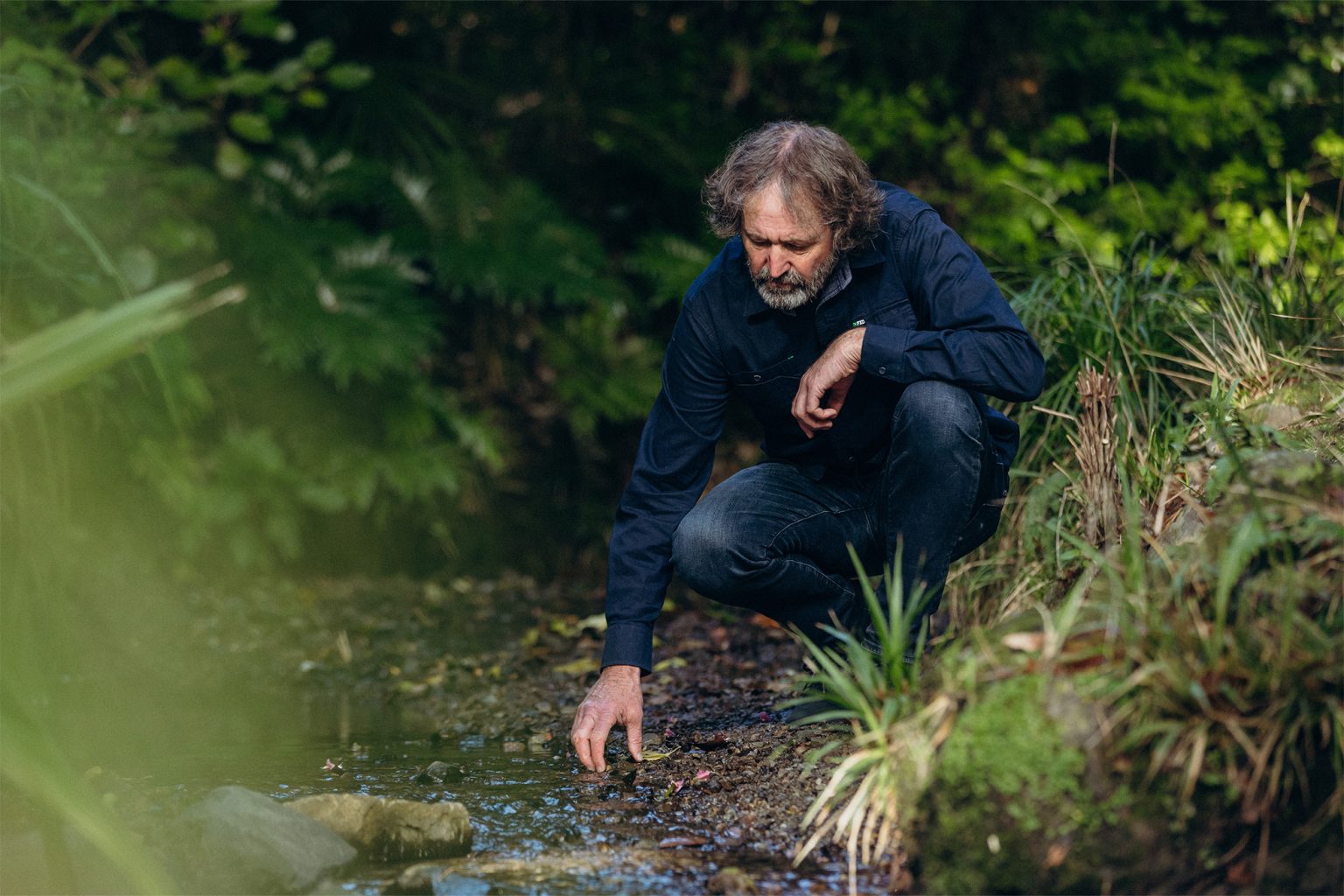
Ecologist Dr Mike Joy is renowned for encouraging the nation to face uncomfortable truths behind our supposed clean, green marketing image – a message not everyone has been receptive to, including politicians at times. Joy continues to take every opportunity to deliver his message about the country’s endangered freshwater ecosystem, and does so in his new memoir: The Fight for Freshwater.
Why did you write this memoir?
I feel kind of awkward about it, in that Kiwi way, but I still wanted to tell my story. To get it out there before the dairy or agricultural industries try to shut me down or make out that I’m a university boffin who has no real experience of life. But as the book shows, the opposite is true.
Was it challenging to write?
A colleague at the Institute for Governance and Policy Studies used to edit my articles and told me my writing was crap but my verbalisation was great. So I mostly used a dictation programme and pretended I was talking to someone. I had to spend a lot of time editing, but I enjoyed it.
What did you do before academia?
I had been a dairy farmer, a truck driver, and practically built myself a house. I was driving a taxi at night while rebuilding an old boat, and I try to remember when I used to sleep. But I had always enjoyed science at school, and it remained in the back of my mind that I’d one day study and learn more.
When did your interest in freshwater ecology begin?
I think it was the inspiration of lecturers, but also growing up in Christchurch, a long way from any swimmable beaches. We always swam in rivers, and although I love the sea now, I formed an early connection with freshwater.
When did you realise all was not well in our waterways?
I discovered councils were effectively covering up freshwater pollution, not displaying warnings just to avoid having to answer questions, and endangering people who swam in affected rivers. I wrote a column for the NZ Herald and received some angry responses and claims I was making it up. But I have a thick skin when it comes to dealing with people with vested interests, and it opened up the space for better public awareness.
How swiftly did support grow?
Acknowledgement of our freshwater issues probably peaked in 2017 with the change to a Labour government, which some have even claimed was actually because of those issues. But the latest perception survey shows that although freshwater was some people’s number one environmental issue, it has now dropped way down on their list. And many New Zealanders think our freshwater is improving, which couldn’t be further from the truth.
How have you drawn attention to these issues?
It’s about just getting the word out there, and maybe inspiring others. Other freshwater scientists have told me that they’re in organisations where they can’t speak up or they would lose their job. So they rely on people like me speaking out for them.
What does the future hold?
The latest change of government has undone a lot of my work, but we’ll keep fighting. Most of my research is currently legal, writing evidence for environmental law initiatives, working with Waitangi claims and the Māori Council on water ownership. I’ll keep beavering away, but it’s important for me and all others fighting alongside to look after ourselves as well. If we burn out we’ll be of no use to anyone, including ourselves.