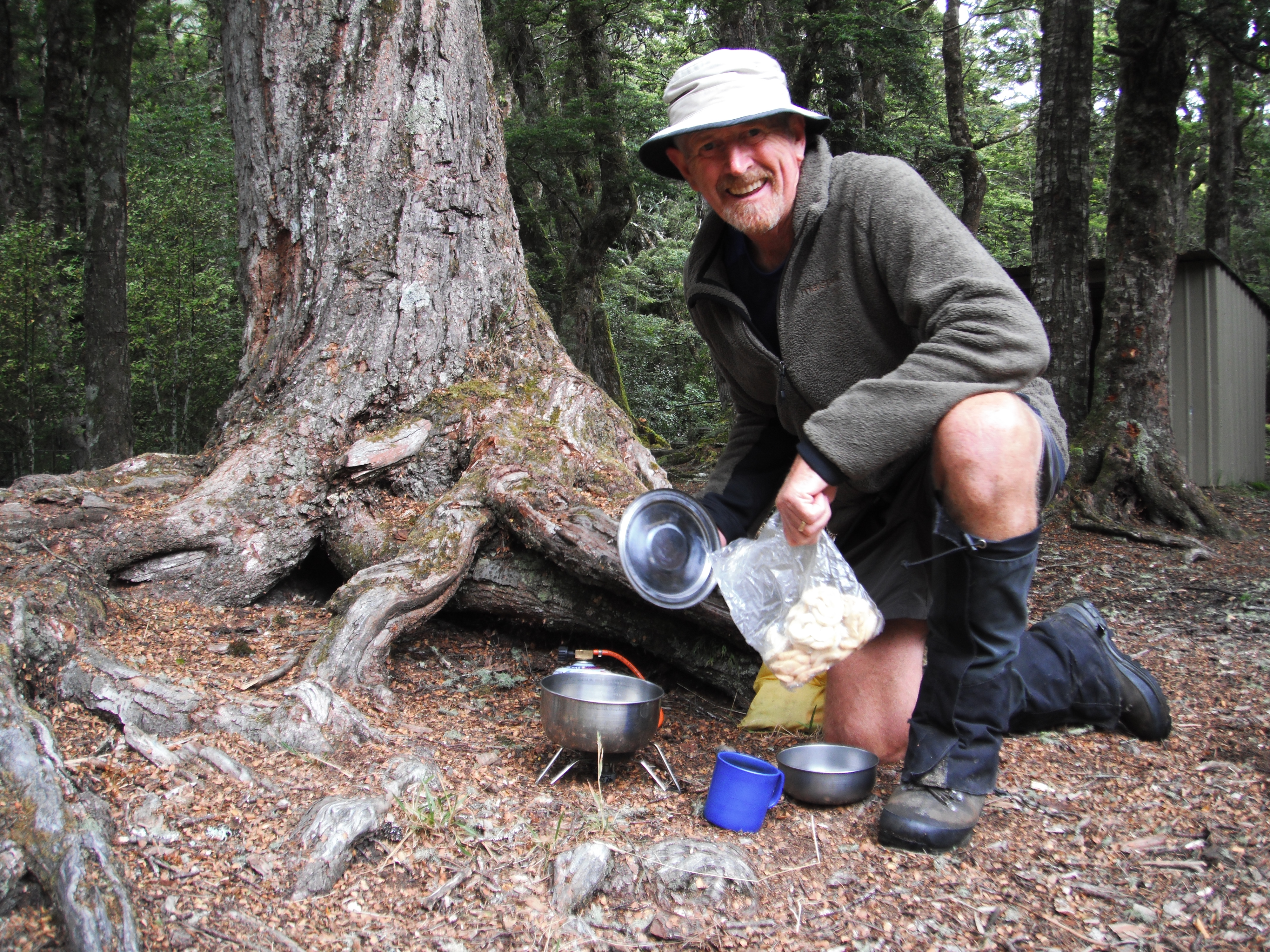
Rehydration will take longer without boiling water, so it might make sense to prep dinner ingredients while stopped for lunch and let them do their thing while you walk. Couscous, rice, lentils, hummus, ramen, vegetables, beans, oats and mashed potato all work well when cold-soaked, but freeze-dried meals and thick pasta dishes are not easy to rehydrate without heat.
Even if you don’t set out with the intention of cold-soaking meals, it is a good technique to be privy to in case of emergency.
Paul Garland, who, with his daughter, wrote the book New Zealand Backcountry Cooking, recalls running into a couple of experienced trampers who had been flown into Stewart Island for the 10-day North West circuit.
“They had their stove, but they’d forgotten matches, and in every hut where there were matches, they were wet,” he says. “Fortunately, on their third day, they ran into a fisherman who gave them a cigarette lighter – by which time they had pretty well eaten all their biscuits and cooked rations.
“Even if they didn’t find a lighter, they would have been able to simply soak meals overnight – most pastas you can soak for a few hours and eat cold and you won’t die of indigestion or anything like that.”
Garland says he’s seen plenty of trampers going stoveless, but admits it’s not for him.
“One of the joys of being in the mountains is putting on a good brew – tea never tastes as good at home,” he says.
He has seen some impressive innovation by cold water-toting trampers, however.
“It’s amazing what you can do with cold water,” he says. “I’ve run into trampers who sprout their own beans. They throw a few seeds in a muslin bag, and they drop it in a stream to soak for an hour. Then they pop it back in a plastic bag and next time they’re near water, they do the same thing.
“Depending on what they’re growing, they will keep the system going until they eventually sprout.”
Others make energy-rich mixtures at home with coconut butter, peanut butter, chocolate and other fats.
“You’ve got to really love the stuff as all you’re eating is high energy fat,” Garland says. “A lot of people can eat a teaspoon, but you try eating that day after day.”
Garland recommends scanning the supermarket for foods you would enjoy cold or raw.
“Once people sit down and think about it, there’s a lot of options,” he says, including salami, hard cheeses, tuna, salmon, biscuits, cakes, flatbreads, pitas, rice pudding and carrots.
In a survey of 378 Wilderness readers, 29 per cent of respondents said they’d give stoveless tramping a go, but the majority said they wouldn’t tramp without hot food.
Comfort was the deciding factor for many, with several respondents lamenting the inability to make hot drinks. Another said her children liked to warm their feet in the dishwashing water – it seems the companionship of warmth in the backcountry is hard to give up.
I can absolutely relate – I love a hearty hot meal, and I’m also a coffee and tea addict. But while the stove will remain stowed in my pack for now, I’m thrilled to have discovered new cooking techniques, and expanded my repertoire. I won’t go cold turkey, but I will definitely incorporate some cold-cooked meals on future trips. I’ve already been won over by cold-soaked oats, and I’m eager to attempt Katie Lupton’s biltong recipe to enjoy with cold couscous and vegetables.
After all, new adventures are what tramping is all about.
What do you think about cold cooked meals? Email editor@lifestylepublishing.co.nz
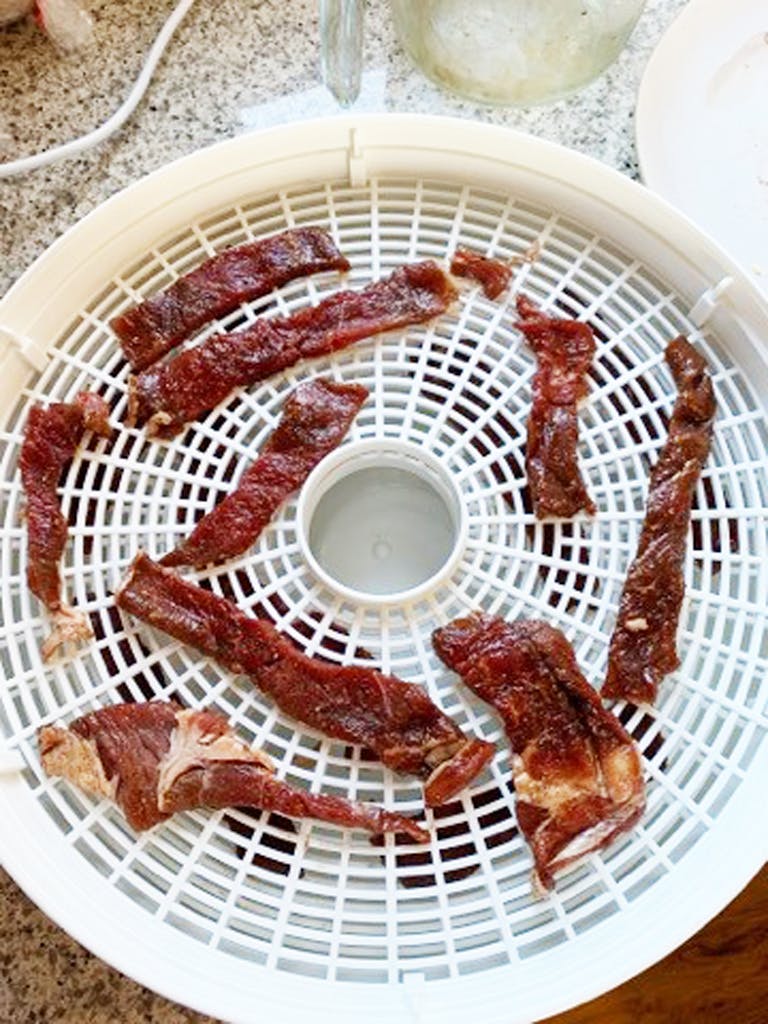 Homemade biltong
Kate Lupton’s homemade biltong recipe uses 400g of beef schnitzel and requires around four hours of cooking, before leaving home.
A cold-soaked classic
Burning porridge onto the bottom of a pot seems to be a rite of passage for trampers.
A moment’s distraction is all it takes to turn oats black and stain a pot for all eternity – we’ve all been there.
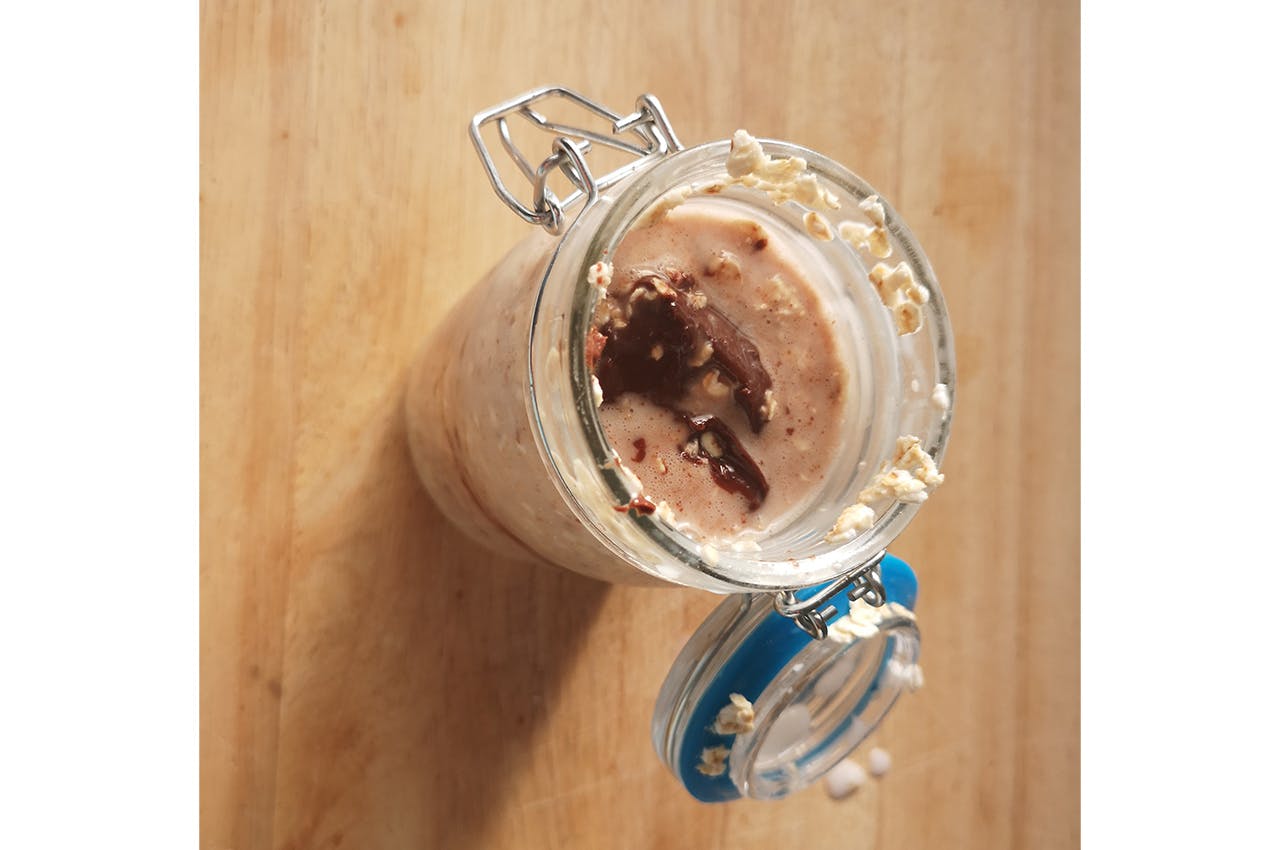
Oats are a wonder-food for trampers. They’re lightweight, indestructible in your pack, and they’re a good source of carbs, protein, fibre, vitamins and minerals, proven to keep you feeling fuller longer.
I’ve recently discovered the joy of cold-soaked oats, and as a long-time porridge advocate, I’m a convert.
The method is simple, delicious and impossible to burn – here’s how you do it.