Many of those who identify as long-distance hikers will at one time or another suffer from post-trail blues. That feeling of emptiness that creeps up at the completion of a major adventure. The realisation that an amazing, life-changing experience has come to an end. I found myself buffeted by a bout of post-hike melancholy when I finished the Pacific Crest Trail in 2017. Naturally, I took to the internet to look for answers.
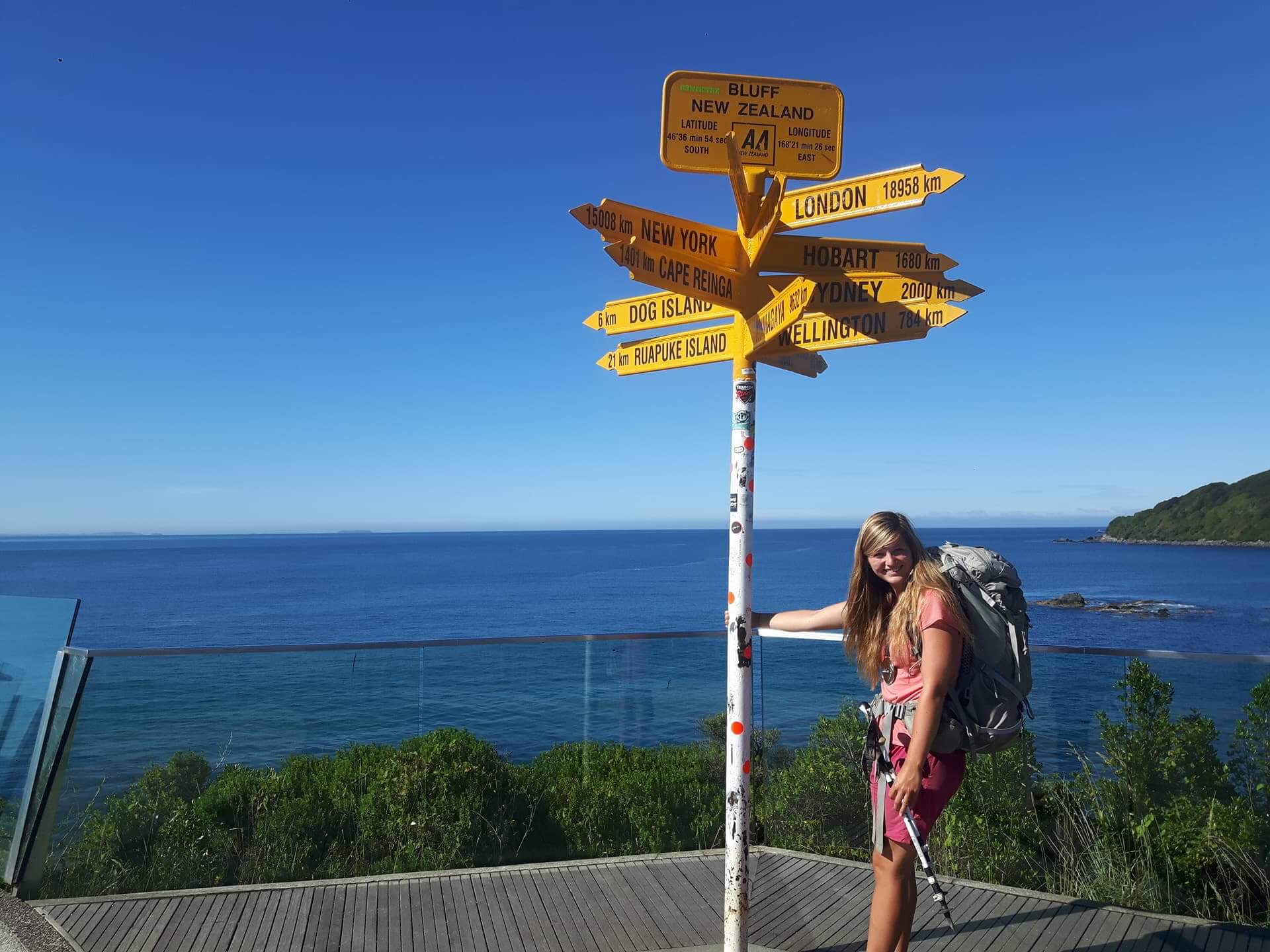
I found I wasn’t alone. Kristin Nesse Thue was suffering similar withdrawals after completing the Te Araroa Trail in February this year. A month later, safely back home in Norway, she reached out to the TA Facebook group, ‘Post Trail blues: how did you guys deal with getting off the trail? I feel like the mental resilience and positive attitude I gained is slipping through my fingers, and I feel really out of place. How did you deal with getting back into your regular life?’
Undertaking a thru-hike like the PCT or TA appeals to a select group of people. Hiking thousands of kilometres at home or overseas requires a substantial commitment. Often it means quitting your job, putting belongings into storage, giving up your lease and spending time away from family, partners and pets. And while the opportunity to thru-hike isn’t available to everyone, it’s also not something that most regular folks have any interest in attempting. Infrequent showers, insatiable hiker hunger, blisters, insects, there’s a whole range of reasons not to spend months on end hiking 12 hours a day. So why is it that those of us who hike long-distance trails find it so hard to adapt to being back home?
Author Sebastian Junger writes about American soldiers who have returned from war zones suffering similar blues. Despite the extreme nature of the environment they serve in, soldiers miss the camaraderie of their platoon upon return to civilian life. In his book, Tribe, Junger argues that the reason soldiers miss being in a war zone is because the conditions resonate at a genetic level. He writes that as a species, humans have lived in harsh environments with 30 to 40 other people – a ‘tribe’ whose members were always looking out for each other. Take us out of that scenario and we become miserable.
Gunfire aside, there do seem to be some parallels between the deployed soldier and thru-hiker experience. A hiker who has just returned from the wilderness will similarly feel out of place in regular life because they have become accustomed to belonging to an identifiable tribe of thru-hikers. They have had a community of people to go through experiences with, followed familiar names in hut books, and been greeted by friendly faces in town. Back home, there are no long beards nor hiker stench to mark their community. And no hikers to pass on trail tips nor the instant connection of shared experience.
The other aspects of military service that are present in long-distance hiking are the challenges and occasional danger (acknowledging that soldiers face a greater degree and intensity of threat). Both of which are often blessedly absent from our non-trail lives. As hikers, we endure a day-to-day, albeit self-imposed, mental battle with ourselves, finding the willpower to get up and hike day in and day out. Confronting the risks of river crossings, exposure, breaking limbs and water-borne diseases. While most hikers go to great lengths to minimise these risks, they can never be wholly eliminated. But with these challenges come floods of endorphins and regular dopamine hits as daily targets are knocked off. Coupled with the serotonin from being in a natural environment, exercise, companionship and using your senses to actually smell snow, hear quiet and taste rain, it’s a powerful chemical boost.
Another reason for a post-hike period of maladjustment is that the meaning people get out of the hiking experience is harder to find in day-to-day life. Gary Hermansson, a former team psychologist for New Zealand Commonwealth and Olympic games teams, says the feeling of ‘blues’ hikers suffer on re-entry to society is shared by elite athletes who compete in pinnacle events. “Your whole life is taken up by something that is meaningful and a targeted goal for you. Once that’s done, there’s the question of what now? What’s the meaning in what I’m doing?”
Hermansson says the key is to look closely at what you find meaningful in the hiking experience and to set yourself some constructive goals to strive for based around that meaningful experience. “After Olympic and Commonwealth campaigns we talk with athletes about the period of adjustment they’ll go through. To be aware of it,” he says. “We say, look for a targeted goal, something that’s meaningful for you and has some purpose to it. We set that up before we leave the games’ environment, so the athlete comes back with something to do. Nothing too high-powered, but an objective to strive toward.’
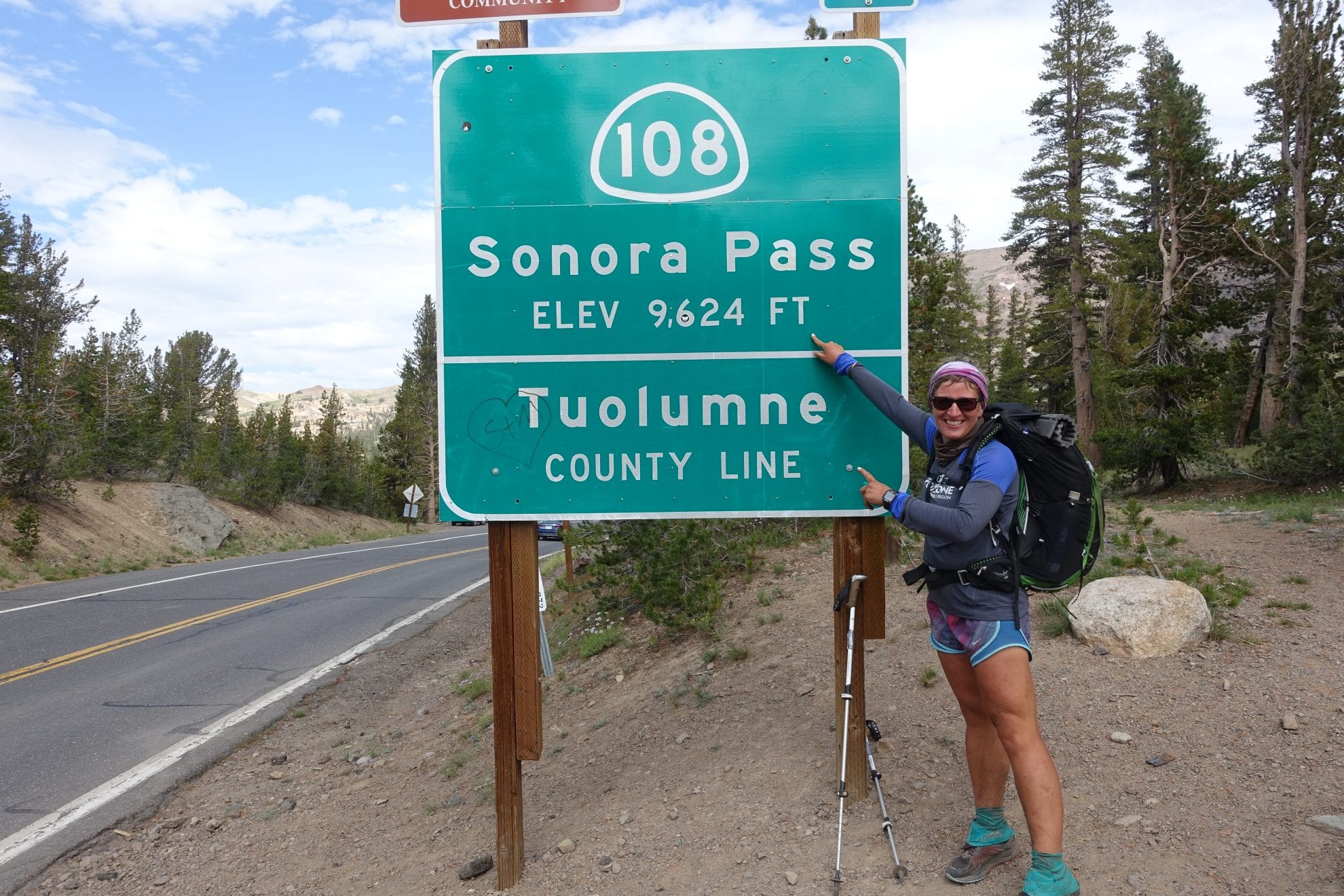
When New Zealand hiker Marijn Dogterom stepped out on the PCT from Mexico to Canada, she did so with another goal in mind. Before starting the PCT, Dogterom had arranged a work permit that would allow her to spend a year living and working in Canada. She says this helped her avoid the usual post-trail blues. “I didn’t know I needed this, I just figured it would be the nice ‘cherry on the top’ for my adventure, migrating to Canada by foot,” she says.
Dogterom says that as with any change there was an adjustment period. “It helped to live in a place where people from all walks of life came to be ski bums – there was something familiar to Whistler and the PCT. It helped that Whistler has an extremely social environment. Sometimes
I would stare in the direction of the trail when I would miss it and it made me feel closer to the PCT.”
Not everyone who hikes has Dogterom’s foresight. The very reason many people decide to attempt a multi-month adventure is to get some clarity on what to do next in love or life. This was the case for German language teacher Mareike Schmidt who hiked the PCT in 2017 during a gap in work contracts and at the end of a long-term relationship.
Schmidt’s original plan was to hike the trail for about two months then return to Germany and find a job. “My relationship ended, and on the trail I figured out that hiking the PCT is not just about the scenery. It’s so much more: it’s about the people you meet, about reflecting on life, about reflecting and shaping who you are. Long-distance trails change people.”
Rather than stop after walking one long trail, Schmidt jumped straight onto another, hiking the South Island section of the TA. “I guess the most practical change I made is that I just continued hiking, and I’m definitely not going back to Germany. I will figure out on the TA what I want and where I want to live.”
To add further purpose to her hiking, Schmidt has recently decided to walk for charity and has started fundraising for women in Ladakh in the Indian Himalaya region. “I’m fully aware of the fact that not all women and girls can live this liberated life,” she says. “So I decided to hike for them and collect some money.”
She will be back at the end of the year to meet SAVE (Students Association for Village Education) and hopes to bring with her donations to finance future projects.
Ultimately, all long-distance hikers will go through a readjustment period at the end of their hike. But it’s important not to let the experience go to waste and to embrace the change that it has on you. Replicate the enjoyable aspects of trail life. Continue to enjoy the stimulation of new environments and social interaction; change your daily routine, not necessarily something epic, just a tweak to make life that bit more interesting.
I enjoyed the community aspect of hiking so I have looked to contribute more to my community back home, through giving blood, volunteering my skills to community groups and continuing that connection to nature and other people.
As for Kristin Nesse Thue, she discovered that even once the trail is done, the urge to help those who’ve been through a similar situation remains strong. Over 60 people responded to her Facebook post. “It was clear that many thru-hikers felt strongly about the issue of post-trail blues in the TA group, which is always comforting,” she says.
Just like on the trail, through social media there is a community of people who had hiked in previous years ready and willing to share their experience. So thru-hikers needn’t feel that they’re alone. Reach out, and start planning your next adventure – short, long, at home or overseas – whatever will get you back out on the trail.
34 years of inspiring New Zealanders to explore the outdoors. Don’t miss out — subscribe today.

Questions? Contact us