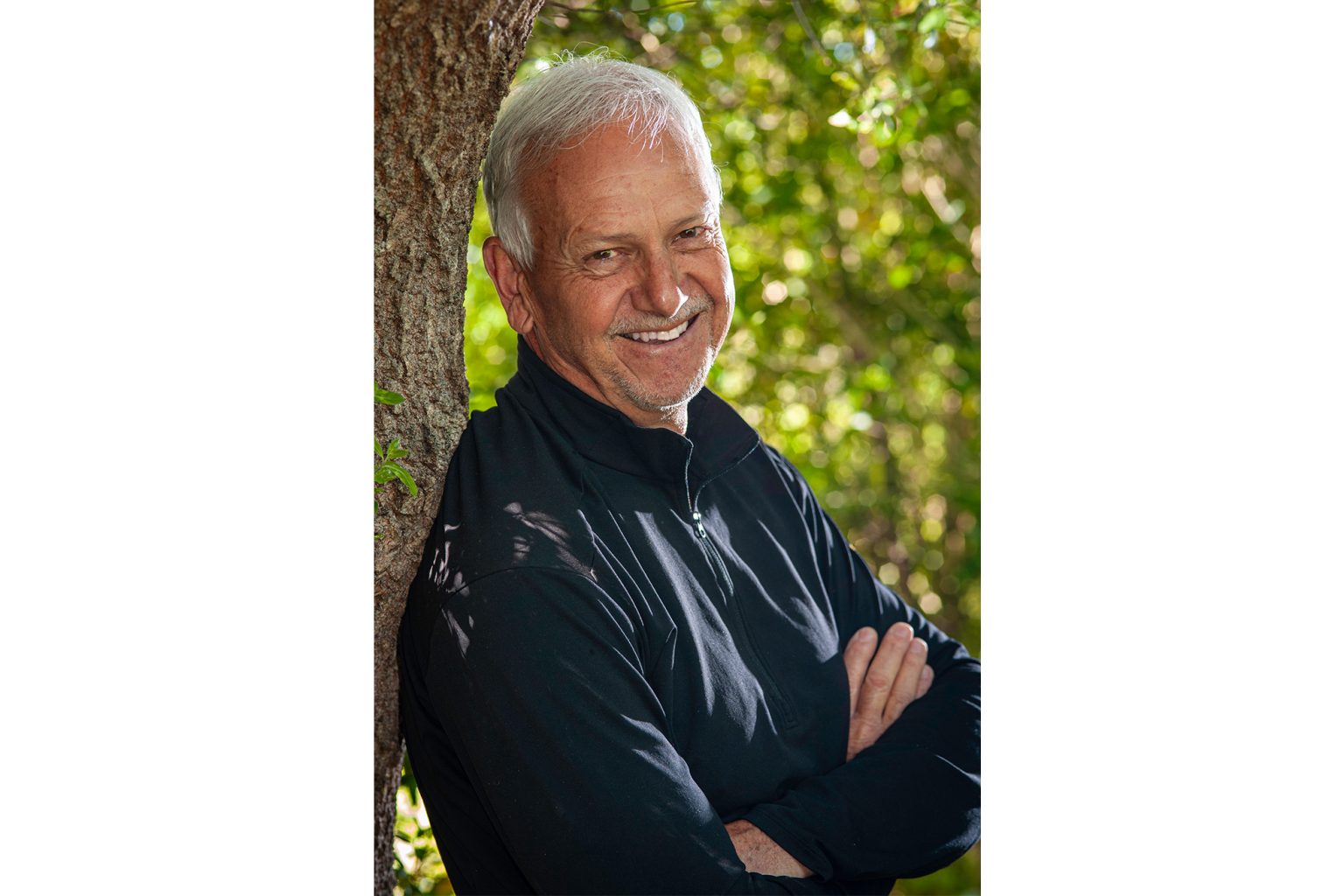
Science and natural history writer Dave Hansford explores biodiversity hotspot Kahurangi in his new book, Kahurangi: The nature of Kahurangi National Park and Northwest Nelson.
How did this book come about?
There have been several great books on Kahurangi, from social histories to tramping guides. But nobody had taken a walk through the place and described how it works ecologically, and the complex geological processes that caused all this wonderful biodiversity to end up in this part of the South Island. In Kahurangi, I take readers for a wander through these special wild places and talk about the natural processes and connections at play.
Was it challenging to write?
No, it wasn’t. It was challenging to understand the concepts and the right questions to ask, but I was fortunate that many wonderful scientists and researchers helped me understand the processes by which the land itself came to be here.
What is your most memorable experience of Kahurangi?
The most memorable day I’ve had at work was being taken into the Honeycomb cave system by my friend, photographer Neil Silverwood. That was wonderful in terms of what I saw, including the Nelson cave spider Spelungula cavernicola, the biggest spider in the land due mostly to the length of its legs – 150mm from claw to claw. This magical underground world really captivated me and got me wondering about the extent to which our mountains are riddled with huge, unexplored cave systems.
Do you have a favourite place in Kahurangi?
I never thought I’d say this, but it’s underground. I can go into the hills any day, but it’s novel to go underground.
You’ve dedicated this book to your friend Shaun Barnett. Tell us about Shaun.
Shaun helped to inspire my love affair with the outdoors and helped me perfect my skill of noticing things. He was a historian and geographer as much as a tramper and photographer, and had a knack for putting the facts to work in service of wonder. I love how he got swept away by the joy of being outside.
You write about the relationship between humans and nature, and mention your own struggle with depression. How has the wilderness helped you during darker times?
Once you start talking openly about your own struggles you realise this is a shared and common experience, and that a lot of people seek refuge in the healing power of the hills.
Part of it is about the fact that once I’m in there, the everyday distractions and pressures of the world begin to fall away, and I’m left alone to start exploring my feelings and emotions in relative peace, which helps restore a sense of inner calm. Ever since I was a little boy, nature has evoked a sense of wonder and delight, and reconnecting with our natural world continues to fill me with joy.
What would you like people to take away from this book?
That if we don’t do something urgently we will lose these wild places. We are in the middle of a biodiversity crisis, in Kahurangi and the rest of Aotearoa New Zealand. It’s my hope that this book will inspire a deeper level of awareness about the unique biodiversity, natural processes and cycles within this particular region, and spark honest conversations about the things that threaten their existence.
As with most nature writers, my aim is to instill in others a sense of wonder. I have a hopeful belief that once people understand the fragility and significance of our natural world, they will look after it better.
What’s next for you?
I’m heading away into the hills of Kahurangi with a group of close friends on what we’re calling the Shaun Barnett Memorial Tramp. We’ll take some good single malt and sit under the stars sharing our best Shaun stories.
Kahurangi is available in the Wilderness bookstore. Subscribers get a 10% discount. Click here to view it.