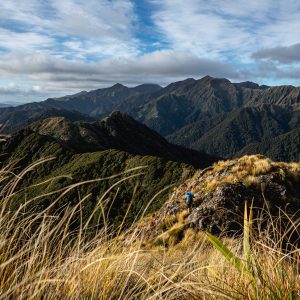
To gain the full mental health benefits of the Walk1200km challenge, do as many bushwalks as possible.
Mental health is an important issue for New Zealanders as the country nears the end of the second year of the global pandemic. Lockdown, the inability to travel, job losses and uncertainty about the future have compounded to place people under untold stresses.
Treating mental health disorders is complex. But increasingly, we’re learning that getting regular exercise in nature is a proven way to improve both physical and mental health.
In 2019, associate professor Dr Liana Machado from the University of Otago’s Department of Psychology led a study examining the benefits of exercise on cognition and mood by getting participants to climb stairs. The study found that people felt “more energetic, less tense and less tired” following the stair climbing and that the higher the intensity of exercise, the better people felt.
“This bodes well with respect to mental health,” says Machado, “especially given that the participants in this study were university students, as young adults are known to have higher levels of anxiety.”
Machado says that physical activity levels in New Zealand are particularly low, especially among women. “Given that young adult women are known to have higher levels of anxiety, they may stand to benefit from engaging in exercise, to reduce those feelings of anxiety.”
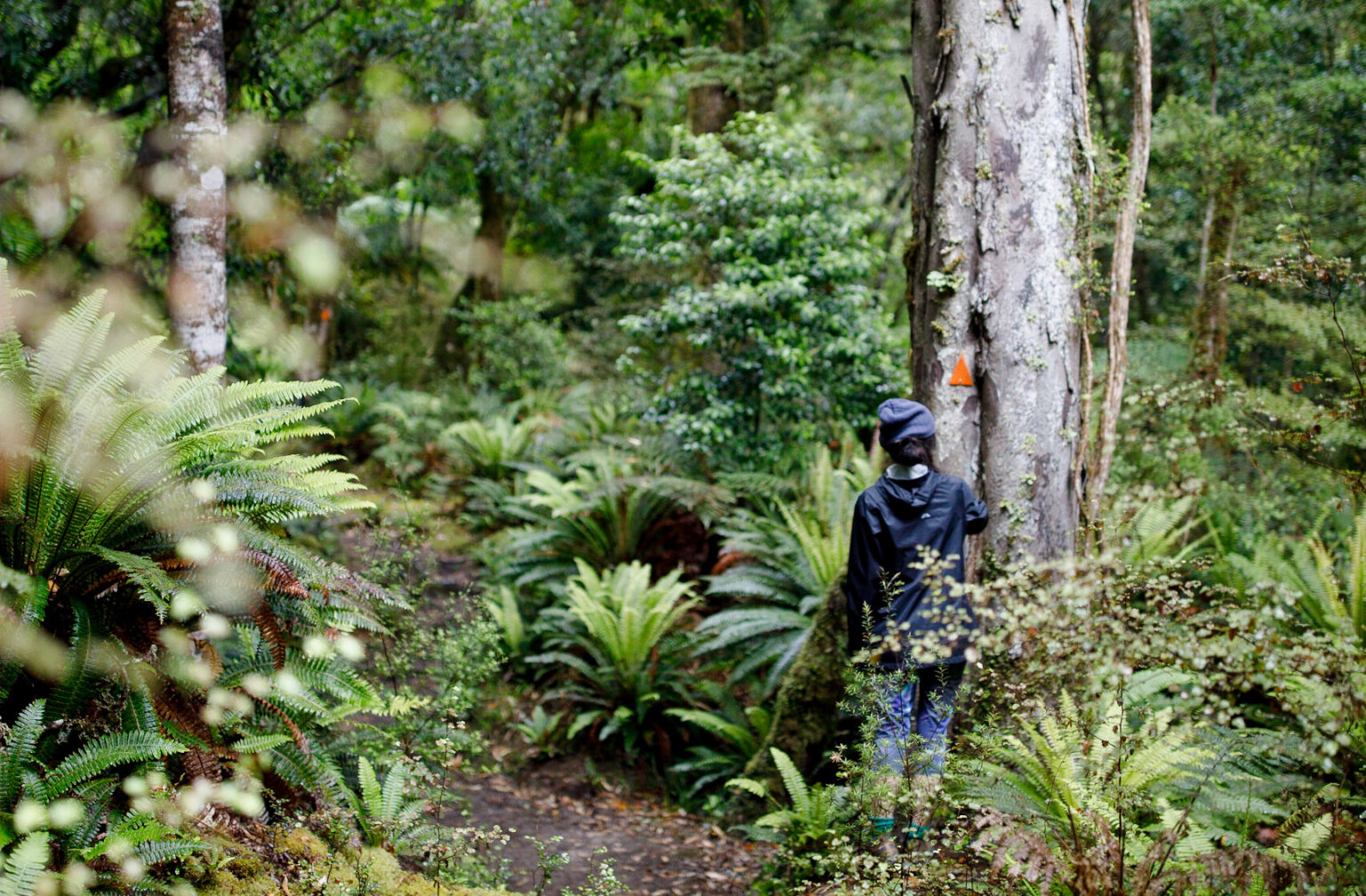
Evidence from overseas is also strong on the mental health benefits of walking in nature. Forest-walking has been a popular activity in Japan since the 1980s, when many Japanese were suffering adverse health outcomes from working in high-stress, corporate environments. They call the practise shinrin-yoku or ‘forest bathing’. It’s now used as a form of eco-therapy.
A study in 2018 examined the psychological benefits of shinrin-yoku in a controlled setting. One group of people walked through a heavily wooded forest while another walked in the city. Participants’ psychological responses and anxiety levels were measured afterwards. It was found that those who walked through forest areas experienced decreased depression and dejection, tension-anxiety, anger-hostility, fatigue, confusion, and experienced improved positive moods compared with those walking through city areas. Shinrin-yoku was shown to reduce stress, lower heart rate and blood pressure, and reduce muscle tension.
A further women-only study in 2019 backed up these findings, showing that a brief forest walk resulted in vastly improved relaxation responses for participants. Meanwhile, a study of urban men showed that taking a walk in a city park, as opposed to city streets, gave significant benefits, both physiologically and psychologically, highlighting the importance of urban green spaces for people who can’t get out of the city during their working day.
“The research indicates that greater benefits can be gained from walking in nature rather than built-up areas,” says Machado, “which suggests that mood benefits go beyond just the exercise itself. So it may be worth considering a forest or bushwalk over a walk in the city.”
Ready to reduce your stress and tension levels? Register for Walk1200km.