Learn how to supplement your meals with wild foods.
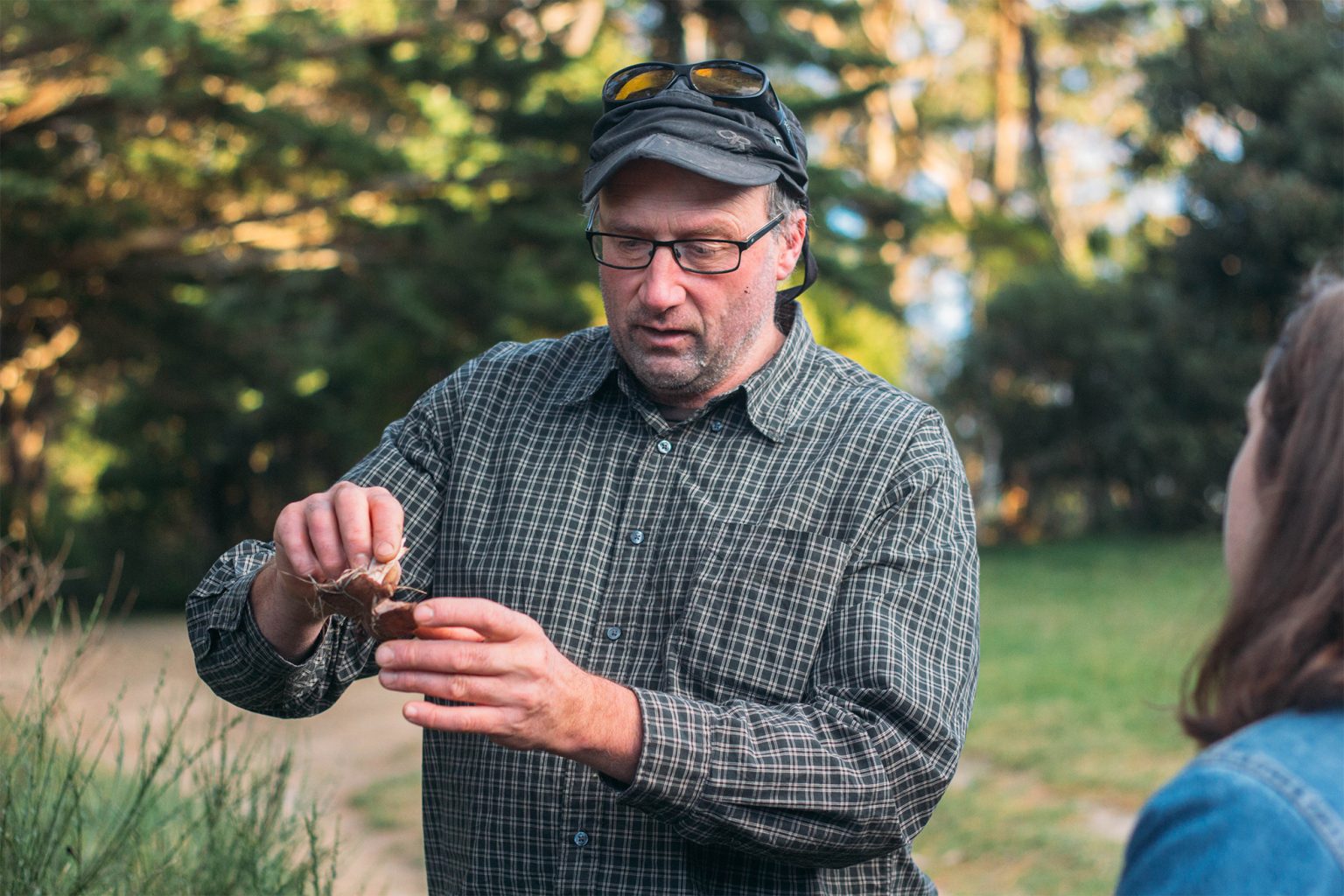
Peter Langlands is one of New Zealand’s only licensed professional foragers. His book Foraging New Zealand describes the 250 edible plants and fungi you’re most likely to find in the wild, handpicked from his database of more than 7000 species.
Why foraging?
I’ve always liked to immerse myself in the outdoors in an interactive way. Around 2015 I gravitated from doing endangered bird research to foraging because public interest in it had swelled. It has become a full-time profession for me: working with chefs, running educational tours and webinars to give people the tools to forage safely and bountifully, as well as putting together a wild foods database.
Foraging allows that exciting sense of discovery – every week I’m finding two or three new species to eat. Foraging also brings awareness of environmental issues. I’m enthused about getting people into the outdoors and actively engaged.
Can you tramp and forage?
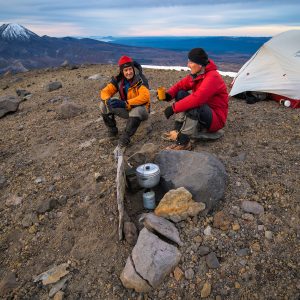
It can be tricky to get foraged food from the environments people go tramping in because unless there’s good predator control, the possums and the deer tend to get everything first. There are better opportunities on the urban fringe, in coastal areas and on river margins. There are also opportunities for alpine foraging in mid-to-late summer when there’s a wide range of edible berries – snow tōtara, snow berries, coprosma berries.
Many foraged foods are suited to dehydrating, especially seaweeds and mushrooms because they are flavoursome and you can get the weight down about 90 per cent. You might not collect them while you’re tramping, but they’re fantastic to take with you.
What about dangers like poisonous mushrooms?
It comes down to the golden rule of being 100 per cent sure. Learn to identify species before you collect them and build up those skills over time, so, when you actually forage, you can find the species you’re familiar with. INaturalist is a fantastic resource because you can put photos onto the site and get them identified by certified experts. Becoming aware of the key poisonous species also helps.
Fewer than one per cent of the mushroom species you are going to encounter will be edible. Especially in native forests, there are not many edible mushrooms. There’s the wood ear, the tawaka and the honey mushroom. There are about 120 types of edible fungi in New Zealand out of over 20,000. Only about 15 are common and easily identifiable.
Has te ao Māori informed your foraging?
To be honest there’s not a lot of cross-over; we’re almost running parallel. I’m aware of mātauranga (knowledge) around foraged food and am keen to integrate it more. I once got to spend four days with Joe McLeod, an incredibly knowledgeable Māori forager in Wellington. I learnt a lot from him and a lot about how species were used. Māori foragers have a phenomenal level of knowledge that’s often based on local resources and tikanga (customs). It’s good to see that knowledge being integrated into wild food resources, especially the conservation of those resources.
How can readers use your book?
Keep it in the car. Pick out a few species to forage for each time and work with the seasons. Build up your knowledge incrementally and enhance your culinary experience. You can find a lot of the preparation information online – you can make sodas using pine needles, homemade beer with yeast from conifers.
The exciting thing with foraging is the more you know, the more there is to know. It really does come down to field time. And it’s easy to do, anywhere, anytime, in urban or wilderness environments. It doesn’t require a huge outlay but rather an investment of time. Take the time to explore new places.