The Tiakina Kauri | Kauri Protection programme is bringing together many organisations and groups to help preserve kauri for future generations.
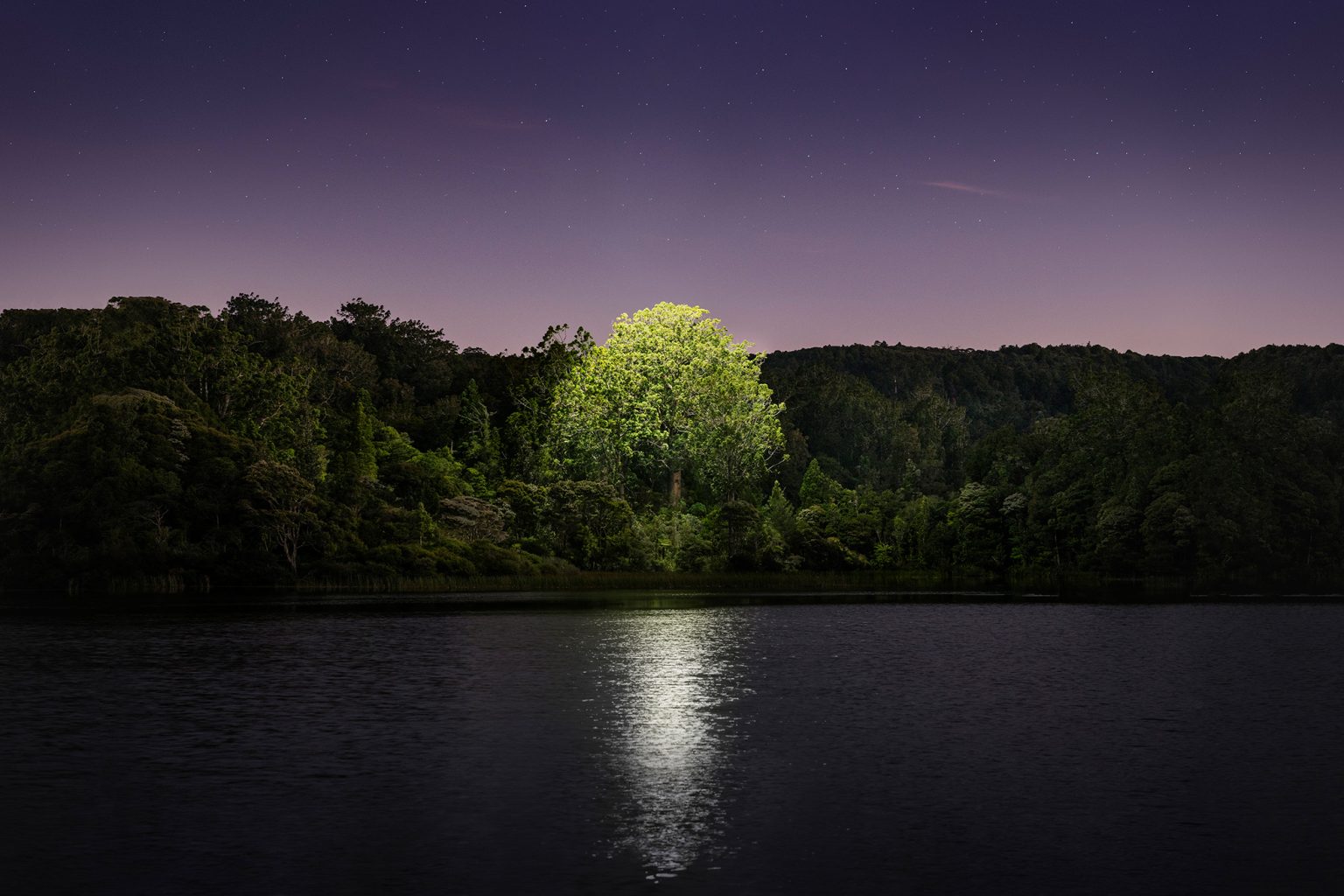
Long revered as taonga, kauri hold deep cultural significance within Te Ao Māori as creators of life and providers of shelter. Amongst the most ancient remnants of our natural world, kauri age between 190–135 million years, and still remain a vital part of the contemporary ecosystem.
However, kauri are threatened by a soil-borne pathogen which causes kauri dieback disease. The pathogen, Phytophthora agathidicida (or PA for short) infects kauri through their roots, reducing their ability to intake water and other important nutrients from the surrounding soil.
To combat the threat posed to kauri by the PA pathogen, a National Plan has been instituted that brings together government, Māori, councils and communities to work collaboratively on kauri protection.
Activities underway within the Tiakina Kauri | Kauri Protection programme to support the National Plan for Kauri include upgrades to walking tracks, ground and aerial surveillance work to detect the PA pathogen, the development of Kauri Ora (Kauri Health) plans by mana whenua, and research.
One such example is a collaborative initiative currently being undertaken at Sapphire Springs Holiday Park & Mineral Pools in the Bay of Plenty.
Located near Katikati, 30 minutes from Tauranga, Sapphire Springs is a Recreation Reserve set amongst 32ha of native bush. It borders the Kaimai Ranges, an area of deep cultural significance to Māori.
The Te Rereatukahia Stream rises in the Kaimai Ranges, meandering through Sapphire Springs, before flowing into the Tauranga Harbour near Te Rereatukahia Marae. This stream and the surrounding land hold deep significance for local mana whenua, Ngai Tamawhariua, collaborative partners on the project since its inception.
Currently the PA pathogen is undetected in the Kaimai Ranges. However, with high visitation from other regions, Sapphire Springs and neighbouring Kaimai Mamaku Conservation Park have been deemed at risk areas.
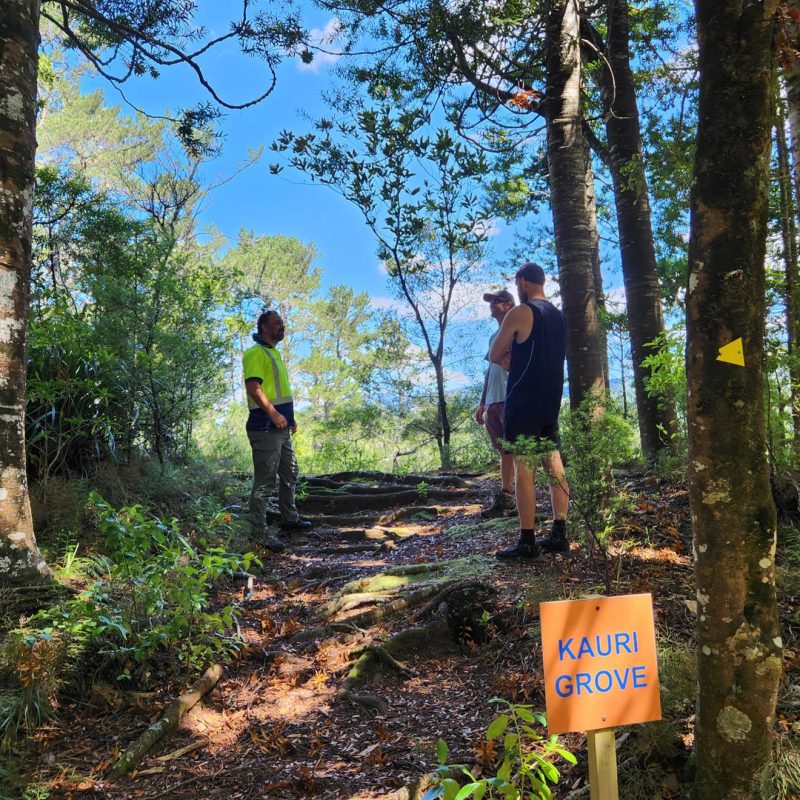
In 2023 a joint project between Western Bay of Plenty District Council who administer the Reserve, Bay of Plenty Regional Council, Ngai Tamawhariua, Kaimai Kauri, the owners and staff of Sapphire Springs Holiday Park & Mineral Pools, and the Tiakina Kauri team at Biosecurity New Zealand began. The project focused on upgrading the infrastructure at Sapphire Springs to better protect kauri and reduce the risk of the PA pathogen entering the Kaimai Ranges.
Work began with upgrading the drainage systems of the park’s kauri tracks. Reshaped and resurfaced, these refurbished and stabilised tracks raise walkers above the delicate root systems of kauri, where pathogen infection occurs. In areas of particular concern, where sensitive kauri feeder roots are exposed, new low boardwalk sections have been constructed to keep park goers at a safe distance.
The installation of two new hygiene stations at track access points help keep contaminated soil from entering the park via the footwear and equipment of incoming visitors. With new clearly marked signage, helpful information for protecting kauri is clearly on display to everyone entering the park.
The Tiakina Kauri | Kauri Protection programme brings together many different organisations and groups to help preserve kauri for future generations, like the work going on at Sapphire Springs.
There are many ways you can help, too, Whether you visit kauri forests, have kauri growing on your property, or work around kauri, there is something you can do. Find out more about how you can help protect kauri at www.kauriprotection.co.nz

34 years of inspiring New Zealanders to explore the outdoors. Don’t miss out — subscribe today.

Questions? Contact us