

Long-distance hiking
When it opened in 2011, Te Ararora officially brought the concept of the long-distance hike to New Zealand.
The idea for a tramping route the length of the country was the brainchild of Alpine Sports Club member Bob Ussher, back in the 1960s, as part of the walkways movement. While dozens of walkways were established between the 1970s and 1990s, including multi-day tramping tracks at Cape Reinga and the St James in Canterbury, little progress was made on the national trail until Auckland journalist Geoff Chapple took up the mantle in 1991.
Chapple worked out a route, set up a trust, wrote a book, then a guidebook, established ginger groups (Chapple has red hair) to take on the access and track-formation, and Te Araroa was officially opened in 2011.
It’s since attracted both New Zealanders and overseas hikers, and it’s fair to say cemented the idea of long-distance hiking in this country. So much so that Te Araroa is considered by many stalwarts to be the ‘fourth crown’ on what was the triple crown of American trails – Pacific Crest, Appalachian and Rocky Mountain trails.
One of the facets of this change that surprised me was how much the concept has inspired people who might not otherwise be attracted to tramping. Remarkably, some bold families have taken up the challenge, completing the whole 3000km with children as young as five.
In 2012, Chapple deservedly earned a New Zealand Order of Merit for his efforts.
Great gear
It’s probably true to say that never has there been so much and such a diverse range of outdoor gear available – and not all of it is even used in the outdoors. Down jackets, merino and rainwear are now designed to be fashionable enough for urban wear.
While some gear has stayed relatively static, other changes since 1991 are radical. Breathable fabrics for rainwear were not quite mainstream, but are now ubiquitous. Torch technology is light years ahead of where it was with the battery life, power and durability of LEDs. And there is all sorts of electronic gadgetry to have with navigation and rescue: think PLBs and GPS, not to mention smartphones and InReach devices.
Lightweight gear is much in vogue and marries up nicely with the interest in long-distance tramping. Two-person tents weighing less than 1500g and multi-day packs under 1000g certainly eases those loads.
New pursuits
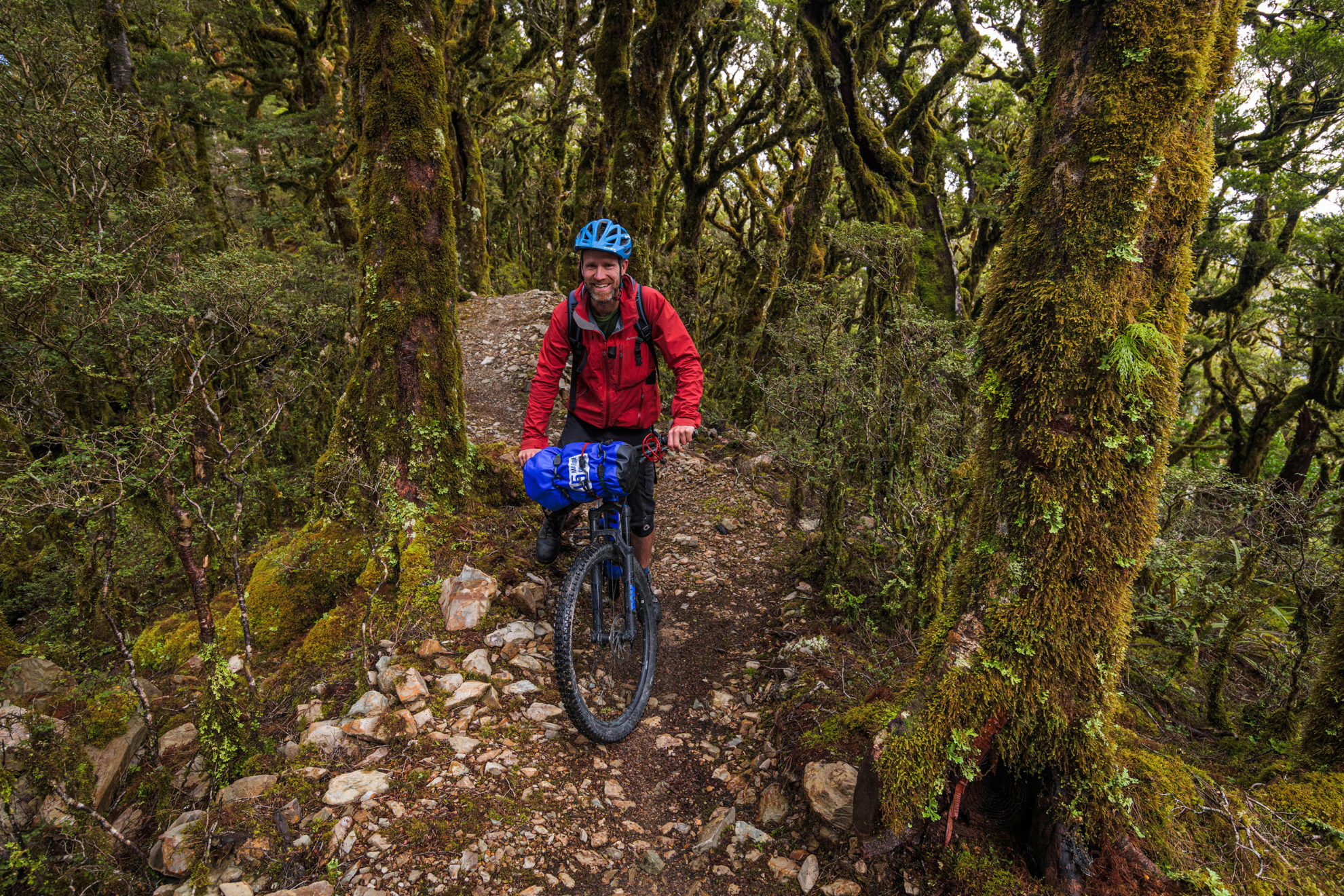
The first fat-tyre bikes came to New Zealand in the 1970s and by the 1980s were being called mountain bikes. While mountain bikes were becoming more common by 1991, there were few opportunities for riding back then, especially in the backcountry. Since then, an explosion of new trails has occurred with track-making of the highest standard. Existing trails like the Heaphy Track were upgraded and opened up for a biking season, then purpose-built multi-day trails have been developed on the Old Ghost Road and most recently the divine Paparoa Track.
Coinciding with this has been significant development of 22 trails as part of the Ngā Haerenga New Zealand Cycleways project, spurred in part by the success of the Otago Central Rail Trail, which first opened in 2000.
Alongside biking, a whole range of other pursuits has evolved. Kayaking and rafting enjoyed a surge in popularity during the 1970s, but over the last three decades new equipment has seen a rapid development of white water pursuits. The West Coast has been recognized as a Mecca of international-class rivers, with many of its gorges paddled for the first time. But it’s not all about the elite end of the sport; packrafting is a hybrid of tramping and rafting, made possible by new robust but lightweight rafts that fit into a pack.
Any number of other hybrids are emerging too, with sports like road running morphing into trail running, fast-packing and rogaining.
Volunteering
Volunteers have long played a role in the backcountry, but since 1991 there has been a growing number of community-led conservation projects around the country. Some of these include large groups like the Remutaka Trust with dozens of volunteers servicing hundreds of traps to protect a newly-established population of kiwi. There are community groups at places like Arthur’s Pass and Kahurangi where traplines protect local birds. Other groups plant trees, pull weeds or pick up rubbish.
In 2012, Sir Paul Callaghan voiced the audacious idea of Predator-Free 2050. With widespread support and government sanction, this concept is making significant strides forward. This has been part of a shift for New Zealanders to the consideration of conservation as a collective responsibility and not just the job of government.
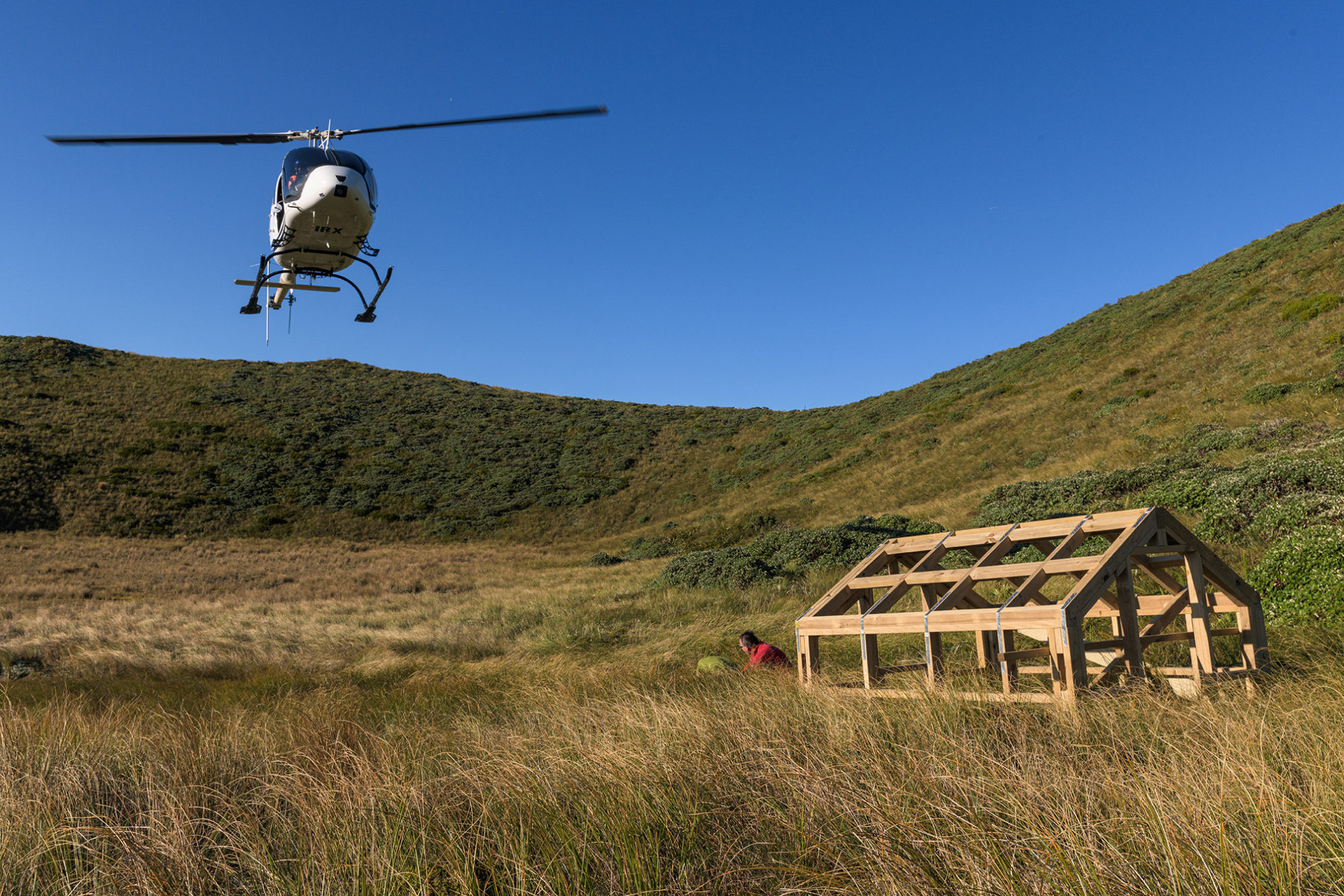
When tramping and alpine clubs were established in the 1920s and 1930s, many members felt it was their duty to build huts and cut tracks to help open up the backcountry for outdoor recreation. Some of the larger clubs undertook an extraordinary amount of effort, while even the smallest clubs often managed to build one hut. By 1991, however, this ethic of volunteer track and hut work had largely been replaced by a professional era of government track and hut maintenance.
Over the last five years, increasing numbers of people and clubs are doing track and hut work often through the Backcountry Trust. This trust is an alliance between Federated Mountain Clubs, the New Zealand Deerstalkers’ Association, and TrailFund, with representatives from each on a board that decides which projects to fund, with DOC providing the majority of the money. Since it was first established in 2016, the trust has successfully seen volunteers restore dozens of huts and build or improve hundreds of kilometres of track.
It’s been a most successful hybrid of government resources matched with the skills and energy of the outdoor community. Some of those who volunteer are retired tradespeople with high levels of experience and skill to tackle, for example, full hut rebuilds. Others are trampers or hunters who are simply keen to help by painting and cleaning.
Tourism
Tourists were certainly not new to the backcountry in 1991 but tended to stick to the best-known tracks. By 2019, international visitor numbers had grown to 3.8 million and it was increasingly common to meet foreign trampers in huts and tracks all over the country. Several Great Walks had a higher number of tourists than locals, and it was often highly competitive to secure space at huts and campsites – which could now be accomplished through online booking from anywhere in the world. Kiwis were sometimes crowded out.
That all changed in March 2020, when New Zealand closed its borders in response to the Covid-19 pandemic.
While many outdoor tourism companies and guides have been economically gutted by the sudden change, it has allowed a pause in what was recognised as a growing problem. It’s encouraging a rethink about sustainable tourism.
And with overseas destinations off-limits, many New Zealanders are rediscovering their own backcountry. Great Walks have proved exceedingly popular, while other Kiwis have taken the opportunity to tackle Te Araroa while it is comparatively quiet.
The future
I’m not brave enough to claim I have any insight into what the backcountry scene will look like in another 30 years. But I hope we’ll have a thriving backcountry culture, which encourages balanced lives of healthy outdoor recreation, using carbon-neutral transport, sees many more involved in volunteering, and maybe even a surge in biodiversity as our predator-free mainland recovers.
As for those levitating packs, I’m still waiting.



