Dennis Radermacher shares his top tips for taking the perfect photo once the sun has set
New Zealand is one of the top spots in the world for stargazing. Jump in your car, drive out of town for an hour and your chances of seeing an amazing night sky could not be better.
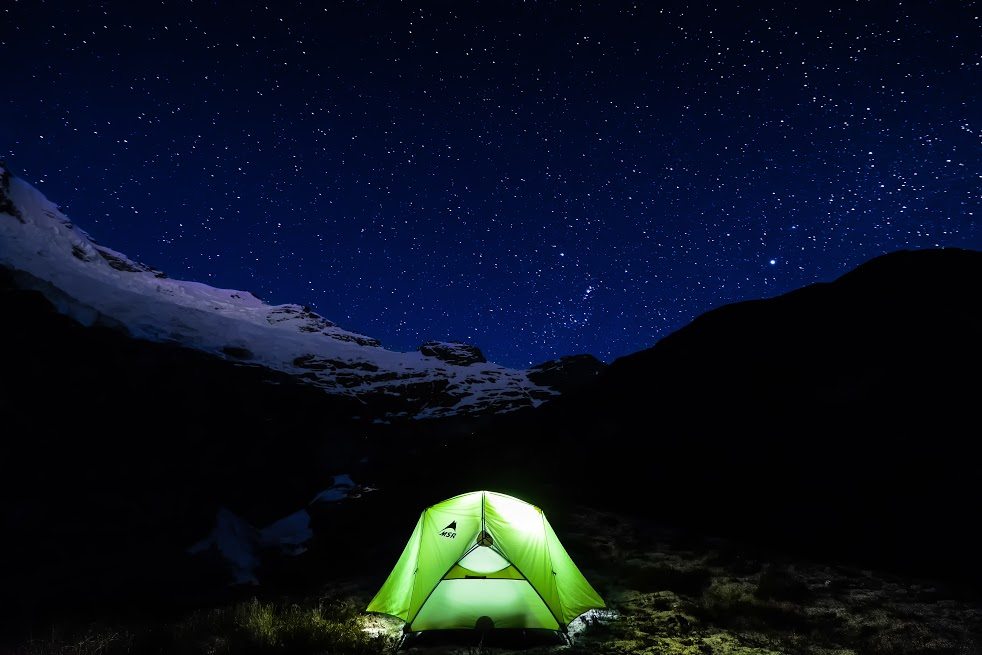
Things get a little trickier if you want to capture the Southern Cross, the Milky Way and maybe even your tent in a photo. Here is how you go about it.
Preparation
Choose a spot with minimal light pollution. Tekapo, one of only 40 Dark Sky Reserves in the world, is perfect
Moonlight washes out starlight so avoid full moons and if it’s visible, keep it out of your frame
Research the visibility and location of planets and constellations using websites like skymap.com
Gear
Use a tripod
Light is key – use a DSLR or mirrorless camera with a large sensor
Use a wide aperture lens to gather more light. Apertures between f2 and f4 are common. The smaller the number, the better
Use a remote release or your camera’s timer to avoid camera shake
When you’ve found yourself a dark place on a clear night and your camera is in place, the first thing you want to do is set your camera in manual mode
Set your aperture as wide open as possible (small f number)
Start with an exposure of 30 seconds, lower as required to avoid star-trails.
Adjust your ISO value to 1600 or 3200. You want to keep it as low as possible while still getting decent results – too high and you’ll get lots of ‘noise’
Auto-focus won’t work at night. Change your DSLR to live view, set your focus for infinity and aim for a star. Take a few test shots and adjust focus until you’re satisfied
Disable noise reduction in your camera’s menu
Disable all optical image stabilisation
Once you’ve mastered this technique, try including the terrain or a tent in the scene. Put a torch on its lowest setting in a plastic bag to diffuse the light inside your tent, or try light-painting the terrain, explore reflections in lakes or include the navy-blue afterglow of a sunset.
Just remember to take a step back occasionally to enjoy the view.
About the author
Dennis Radermacher
Dennis is an architectural photographer with a long-standing connection to the outdoors. He has been contributing to Wilderness Magazine for more than ten years, combining his interest in tramping with photography. In his spare time, he makes furniture, experiments with 3D printing, and enjoys exploring new places.
The 2026 Wilderness Outdoor Photographer of the Year competition
Dirt bike trial on Tongariro Northern Circuit gets approval
Adventurer and author Dunc Wilson
A majestic coastal walk
Subscribe!
Each issue of Wilderness celebrates Aotearoa’s great outdoors — written and photographed with care, not algorithms.Subscribe and help keep our wild stories alive.