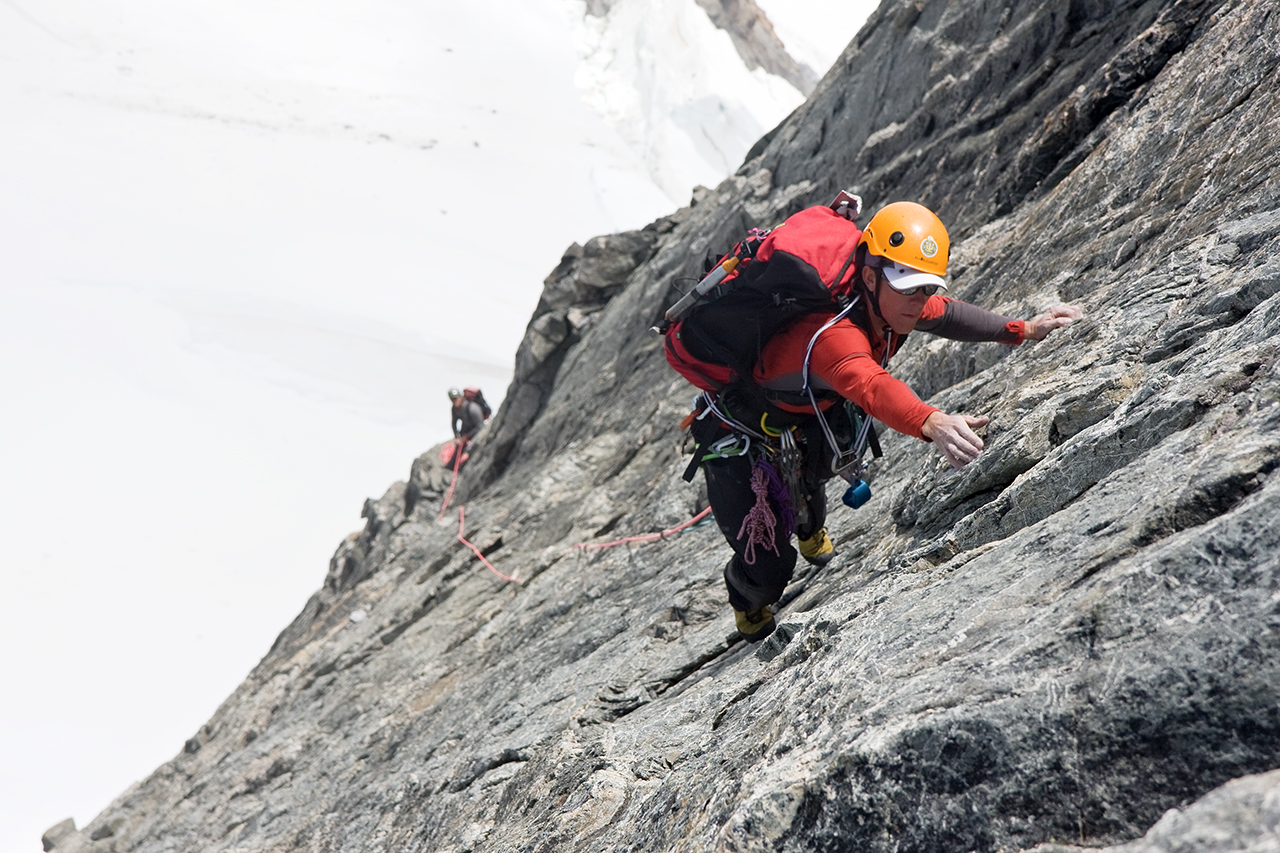
The cover of the 1991 New Zealand Alpine Journal features Nick Cradock and Brian Alder climbing steep ice during the first ascent of the east face of Popes Nose, in Mt Aspiring National Park. That ascent was made by a team of four climbers, who helicoptered to the base of the climb, took two days to reach the top of the face and then helicoptered off.
In 2014, Guy McKinnon soloed the same route in just five hours. Guy also walked in and out from the remote face with no extra support.
There is no doubt, the standard of alpinism in New Zealand has improved over the last 25 years.
But the biggest influence on climbing in our mountains has been the changing landscape. A warmer climate has made the climbing season for our classic high alpine routes much shorter, and glacial recession has made those routes more difficult to access.
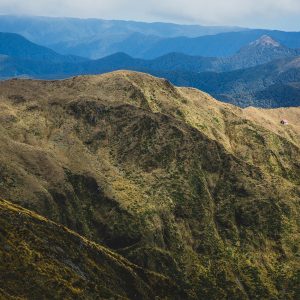
Hence, there has been a shift in focus for the more dedicated Kiwi alpinists to climbing in areas like Fiordland, a place that offers approaches less affected by glacial recession. The climbs in Fiordland are generally steeper, but shorter than those in the Southern Alps. One of the great attractions for climbers to Fiordland is that many unexplored areas and technically difficult routes still remain, waiting to be climbed by adventurous would-be ascentionists.
The climbing experience for the every-day alpine climber has also changed. Pathways into and through climbing have improved through higher-quality instruction frameworks, such as club-based, volunteer-led courses and mentoring programmes, and a broader range of high-end, professional climbing development options from New Zealand’s successful guiding industry.
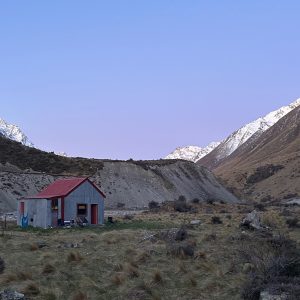
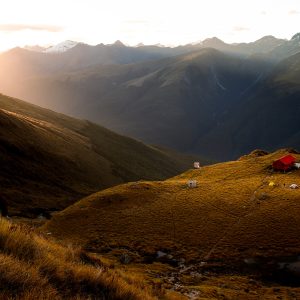
Unfortunately, New Zealand’s high alpine accommodation infrastructure is under threat. Around 1991, the NZAC built the 20-bunk Centennial Hut, on the Franz Josef névé. These days, a capital investment in such a large, permanent structure is untenable, partly due to construction and maintenance costs, but also due to the volatility of the changing alpine environment. In Aoraki Mt Cook National Park, Gardiner Hut, Hooker Hut and De la Beche Hut have all been removed in recent years due to rockfall or moraine wall regression.
Club volunteers do a good job of maintaining the assets we have left, but funding and resource for adequate maintenance of the entire alpine hut infrastructure is woefully inadequate.
New Zealand’s future alpine climbers will have to consider how to embrace alternative access and shelter options if they want to continue to climb in in the Southern Alps.
– Kester Brown is the editor of The Climber

34 years of inspiring New Zealanders to explore the outdoors. Don’t miss out — subscribe today.

Questions? Contact us