Tossing your fruit cores into the dense undergrowth might seem harmless – it’ll just break down, right? Many of us understand the difference between degradable and biodegradable. A plastic bag degrades into micro plastic, whereas an apple core turns into soil. However, just because it’s organic, doesn’t mean we should toss it into the bush.
Decomposition takes several weeks and it’s likely that hungry wildlife will nab the organic waste first. Human food scraps aren’t native to the environment, and while they may be a valuable source of food, they can harm native fauna and disrupt their natural foraging habits.
More problematic is the effect on opportunistic pest species such as possums, rats and stoats. Providing these species with resources boosts their population, and when those scraps aren’t readily available, they will quickly revert to hunting native fauna.
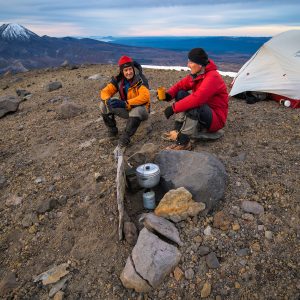
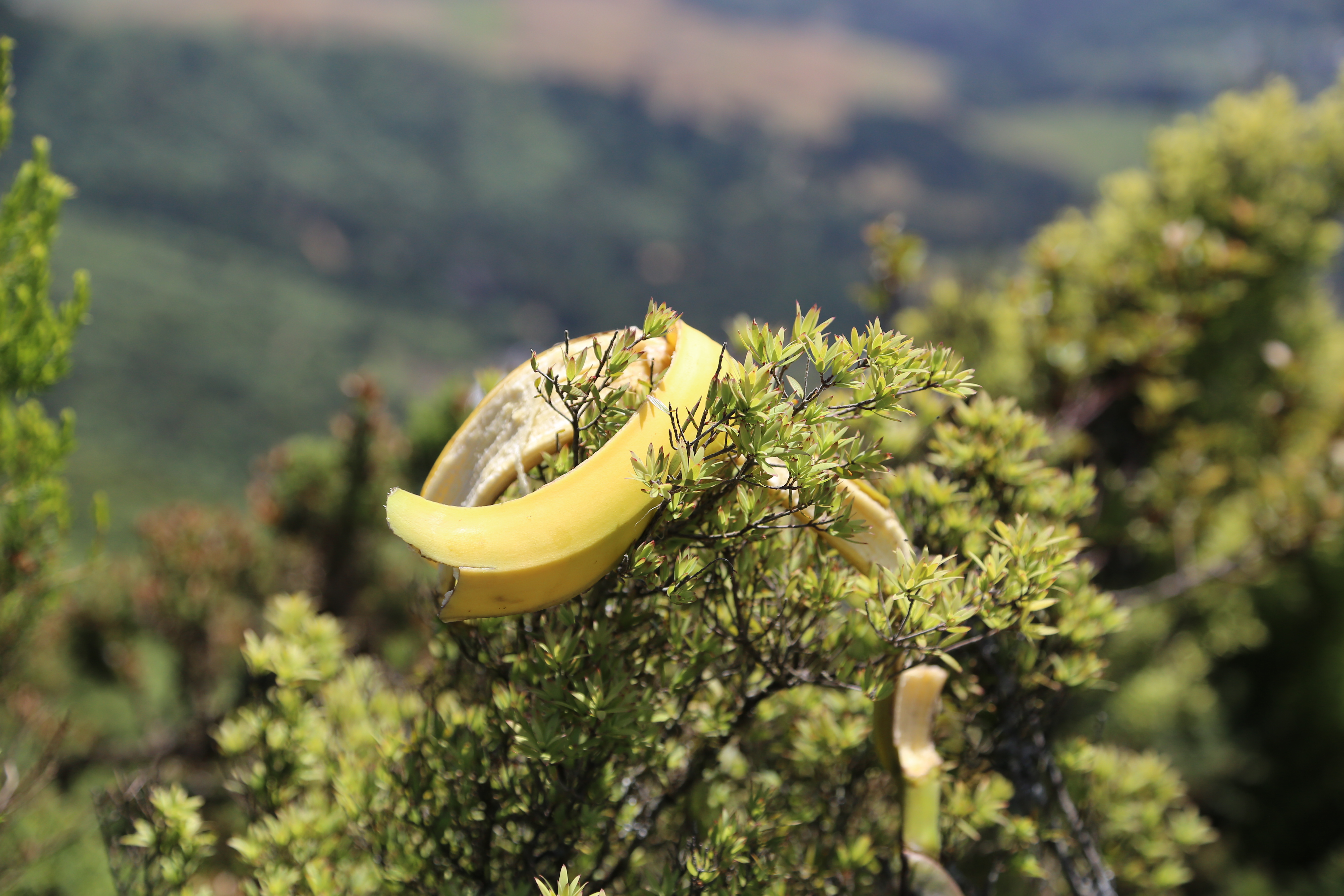
Not all habitats are the same. Food scraps tossed along the Tongariro Alpine Crossing, an open air volcanic environment, won’t break down easily. Unfortunately, I have seen fruit cores and peels on Tongariro. This not only affects the outdoor experience of other trampers, it also sets a bad example. Litter has a tendency to attract more litter and when you have thousands of visitors passing through, the once pristine environment can quickly become a landscape strewn with discarded produce.
Discarded fruit scraps are gateway litter – next you’ll be tossing your leftover rice into the bush
Discarded fruit scraps are gateway litter – next you’ll be tossing your leftover rice into the bush and from there it escalates to all sorts!
Burying organic waste is tidier, it’s less likely to be consumed and breaks down faster. But the best answer, and the one that has numerous campaigns (Leave No Trace, Pack in/ Pack Out, The Kiwi Way) is to take all of your waste out with you and dispose of it properly.
Organic matter does not decompose in a landfill, it rots anaerobically and releases methane. Landfills require extensive management in order to protect the surrounding environment, and the site itself will forever be altered.
The quicker we fill up our landfills, the quicker we need to create more. If you really want to be a tidy Kiwi and do the right thing, learn to sort your waste. You shouldn’t have just one big plastic bag of trip trash, sort as you go; compost, recycling, landfill.
We need to take responsibility for our waste. It is important that we not only pack out our trip’s trash, but correctly dispose of any organic waste in a compost bin as well.

34 years of inspiring New Zealanders to explore the outdoors. Don’t miss out — subscribe today.

Questions? Contact us