A community project is ensuring a bright future for the grey-faced petrels of Mt Karioi.
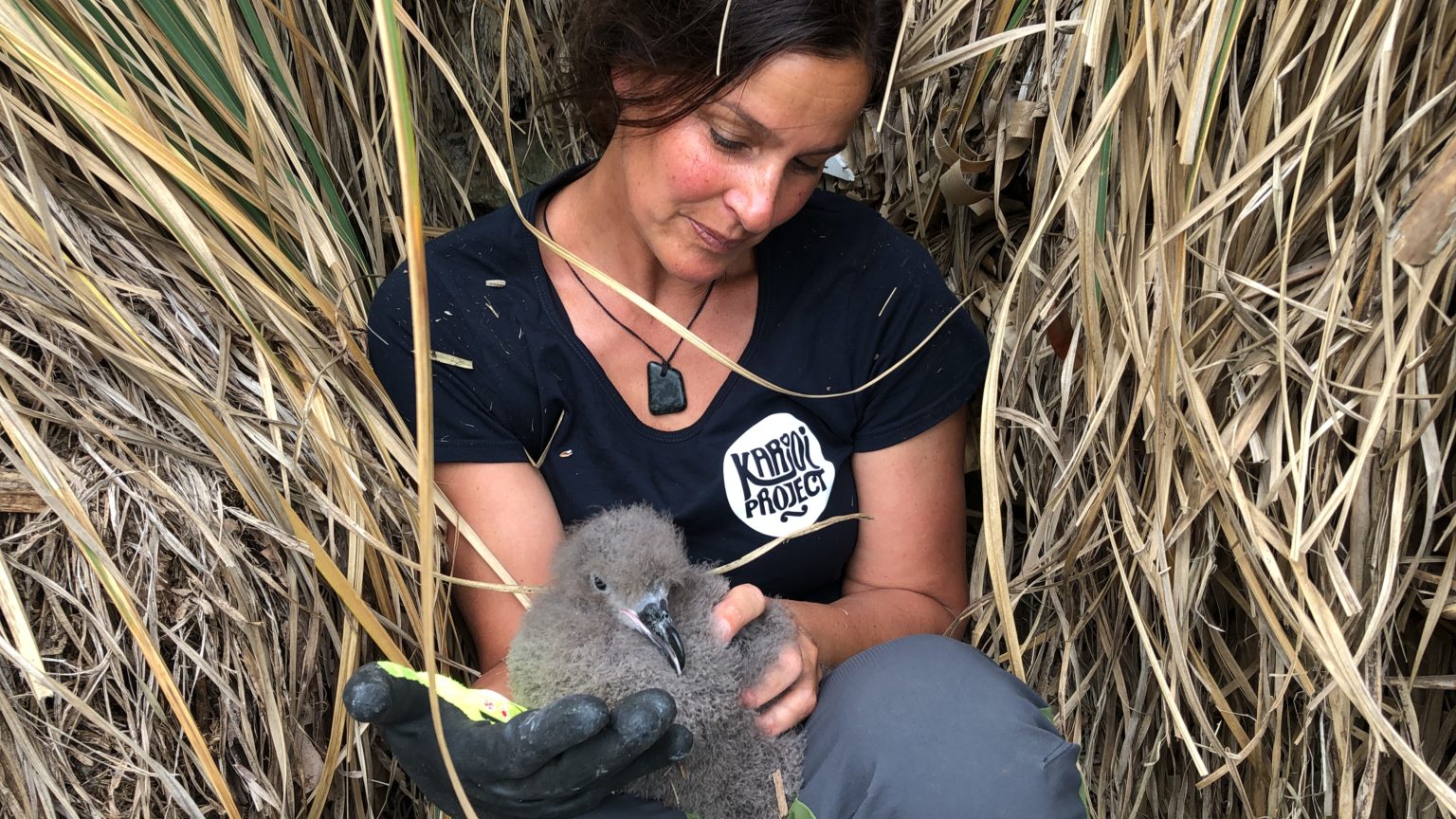
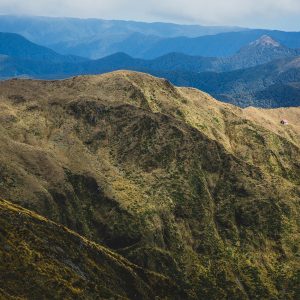
More than 350 volunteers are covering 120km of trap lines on Mt Karioi near Raglan, helping restore one of the few mainland breeding sites for the oi, or grey-faced petrel.
Karioi Project manager Kristel van Houte says the project started 12 years ago with a small group of volunteers and a $4500 grant from DOC to begin trapping on the mountain. Van Houte works as a marine ecologist, but admits she had “never set a trap in my life”.
“People would comment how quiet the mountain was and there were stoats across the mountain,” van Houte says. “But we didn’t know a lot about the life on Karioi at first.”
The group began trapping during the nesting season, covering a 10ha block, and were initially unaware the mountain was a nesting site for seabirds. The following year they discovered the oi nests, but found all of the nests were being predated and the birds were unable to breed successfully.
The group began expanding their efforts, getting a dog to sniff out the nesting burrows so trapping could be targeted.
“We then had cameras and could see the stoats going one by one into each nest and dragging the chicks out or scaring away the parents,” van Houte says. “But we just kept adding more traps and then five years ago we got our first chicks. Now, more than 30 chicks have fledged.”
The birds spend their first six years at sea, but always return to the same spot to nest, so van Houte is hopeful they’ve now protected a new generation.
Native bats, korimako/bellbirds, kākā and little blue penguins have also been making a return to the mountain and are growing in number.
There are currently 2000 traps covering 600ha, with more than 350 volunteers and 15 part-time paid staff contributing about 40,000 hours towards the project. The plan is to eventually trap 1500ha and later to establish a predator-free zone around the mountain.
“I’m so inspired by this community and how so many people have come on board,” says van Houte. “It shows what communities can do with a little time and support.”
Van Houte says children and families have been a focus for the project, which works with local schools and runs after-school and holiday programmes for kids. About 400 families have also joined a backyard trapping network surrounding the mountain.
“We’re building the next generation of kaitiaki,” she says. “Everyone can make a difference and seeing the results has been really empowering.”
The project has received funding from outdoor brand Patagonia since 2017, after a senior Patagonia staff member did a six-week internship at Karioi. The company now puts $10,000–$15,000 towards the project and recently filmed a short documentary about it, narrated by New Zealand-born Patagonia surf ambassador Dave Rastovich.
All up, the Karioi Project receives about $400,000 in funding a year from a range of sources.