Two national parks have been established since Wilderness first rolled off the press.
By Kathy Ombler
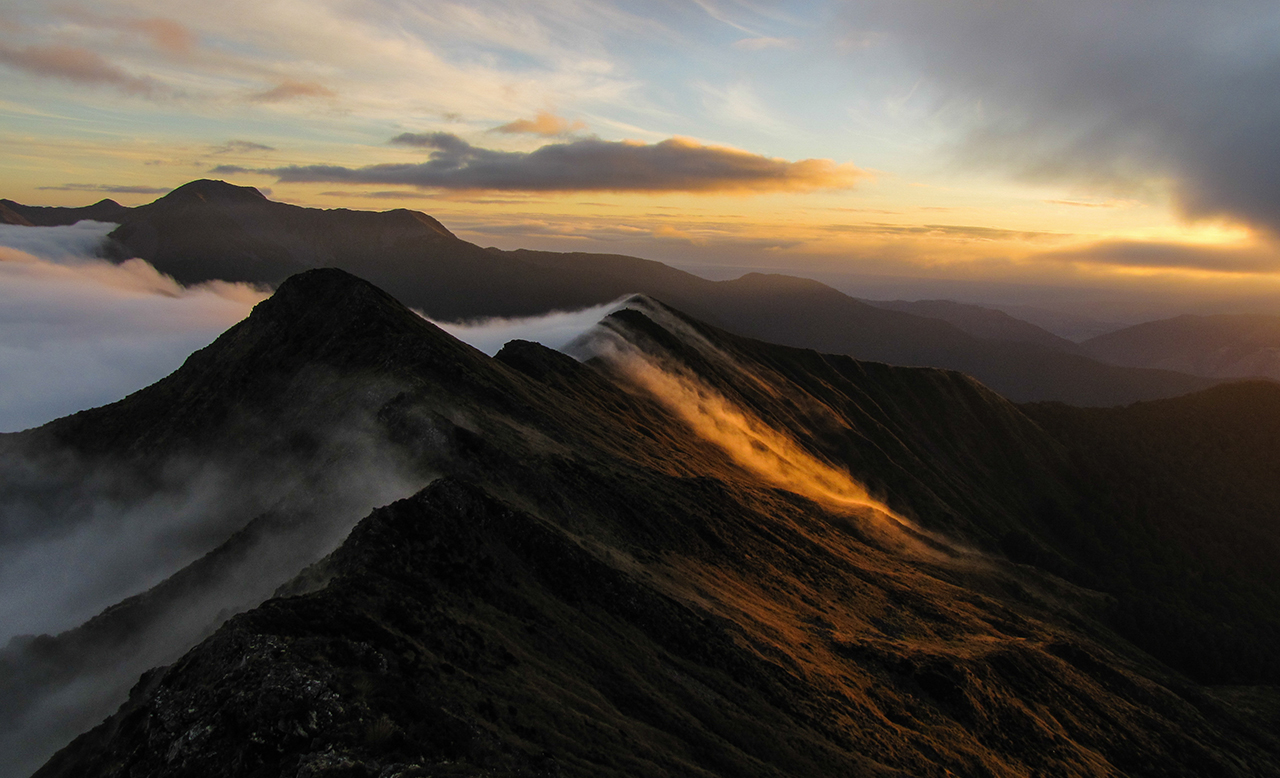
Nelson’s Kahurangi, with its marbled mountains, massive wilderness and now our second largest national park, was gazetted in 1996. In 2002 Rakiura, encompassing the southern rainforests, sprawling dunelands and tundra-like tops of much of Rakiura/Stewart Island, became our 14th national park.
Both parks brought into the fold of national park protection special landscapes, ecologies and recreational opportunities that previously existed in a mishmash of lesser protected forest park, reserves and assorted other kinds of Crown land.
Despite fears and protests prior to their establishment, it’s fair to say their higher national park profile has not resulted in hordes of trampers and tourists descending on these parks, with the exception of some specific sites.
Neil Clifton, former DOC Nelson Conservator, says the Kahurangi region had long been recognised for its recreation opportunities and there was little change in the new park.
“Established tramping areas, such as the Mt Arthur Tablelands, Wangapeka and Cobb Valleys, remain just as popular. Likewise, caving has been a traditional activity for many years.”
What did change was mountain biking on the Heaphy Track. Legal in former forest park days, it was banned under national park legislation, then legalised again on a trial winter-only basis that could now be extended to the shoulder seasons. Almost a full cycle, so to speak.
Lord of the Rings locations, even in the backcountry, suddenly became popular. The marbled labyrinths of Mt Owen, for example, are now much-visited by movie buffs, multiday trampers and helicopter tourists.
In Rakiura, nothing really changed from a tramping point of view with national park status. It certainly didn’t dry out the notorious mud on the 10-day North West Circuit which is walked by 700-900 people each year. A bigger impact has been development of the Rakiura Track, opened with Great Walk ‘branding’ and profile 10 years before the national park was formed. Forget the mud. It’s a high quality, front country walk, with ongoing upgrades including bridges, toilets, boardwalks, metalled surfaces and expanded campsites, to cater for its ever-increasing usage (6000 last year, half of them from overseas and total numbers more than doubling in the past five years, according to DOC).
Nature tourism has flourished on Ulva Island. More than 30,000 people, many of them guided, visited the island sanctuary last year. However, the big pressure point in Rakiura has to be Mason Bay Hut, traditionally used by hunters and trampers, now, also, a magnet for international visitors. They come to see the primeval dune landscapes but mostly for the very good chance of encountering day-feeding kiwi. Most stay just one night. Some are even day trippers, helped by water taxi to Freshwater Inlet or small plane that lands on the beach at low tide. Pressures on both the hut and the kiwi certainly pose management challenges for DOC.
Mason Bay, then, presents an interesting juxtaposition; the juncture of tourist day trippers and traditional trampers seeking out wilderness at one of our most remote tracks. It’s front-country meets backcountry, and it perhaps typifies what’s happening in many national parks as tourism growth goes bananas.
It all seemed so simple, 25 years ago.
As it stands, we could feel both proud that our national parks are so alluring, and glad for their legal ‘preserved in perpetuity’ protection.
– Kathy Ombler is the author of numerous guide books to national and forest parks