Everyone knows that once you become lost you’re meant to stay put, right?
All too often, though lost people become confused, they panic and end up making the wrong decisions such as continuing to move in the hope they will find their way back to a known track.
The Mountain Safety Council recommends using the STAR model for making decisions in an emergency: Stop, Think, Assess and Respond. And if in doubt, stay put.
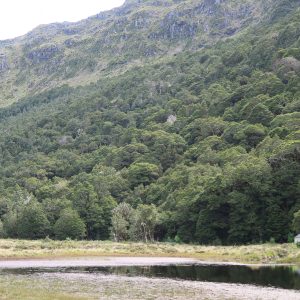
An individual, or even a group, is extremely difficult to locate in dense bush so if you become lost it is imperative you assist search and rescue to your position.
Your first step is to think about why things are seen. Movement, contrast, colour, shadow, shape, reflection and size will all catch the eye of a rescuer. Gather together as many location aids as you can – think shiny objects, bright objects like a pack liner and even upturned silver ferns – and place them in a clearing that will give you the best possible chance of detection.
Use a combination of the following examples to help build a location plan which will give you the best chance being rescued and found alive. Location aids can save your life.
* Mark tracks with an arrow, make a tripod with a note on it, tear a strip off a survival blanket and tie to trees;
* Start a small survival fire. It will keep you warm as well as provide a heat signature, light and smoke to aid detection;
* At night, use the flash on your camera or cell phone to attract the attention of passing aircraft. Conserve battery life by turning it off when not in use. The flame from a cigarette lighter can be seen from many kilometers away buy rescuers wearing night vision goggles;
* Use a shiny object to reflect sunlight at an aircraft;
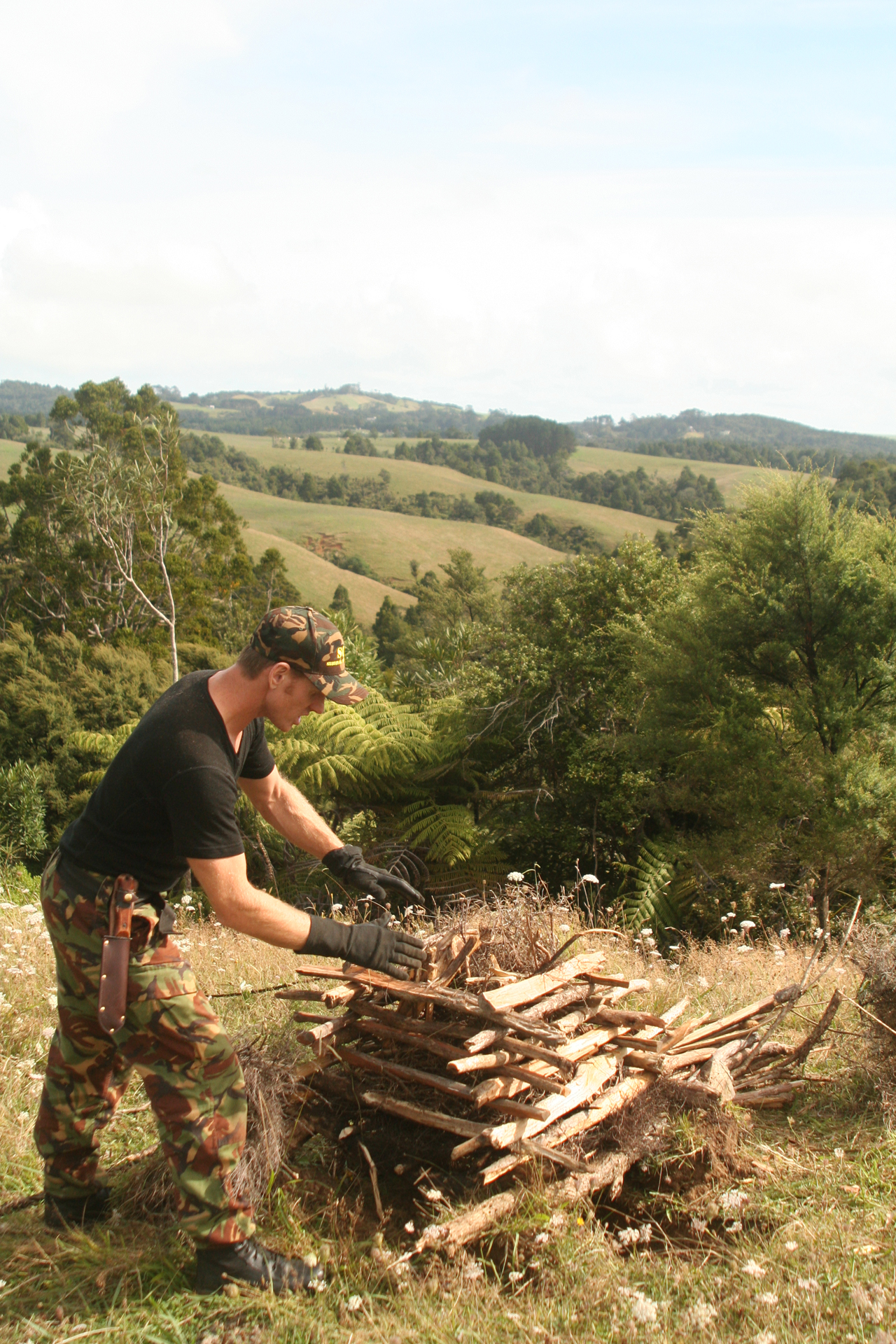
* Construct a 1m by 1m wide signal fire of cabin construction and filled with dry tinder to produce smoke by day and light by night. The smoke is produced with damp/green vegetation placed on top of the framework once the flames punch through. Made well, this will make an excellent location aid;
* Activate your EPIRB if you have one, but only once you are absolutely sure self rescue is not an option.
– Stu Gilbert is a former Air Force survival instructor now running SOS Survival Training
34 years of inspiring New Zealanders to explore the outdoors. Don’t miss out — subscribe today.
Questions? Contact us