

In the neighbourhood
Alternative track: The three day Mangamate Loop Track is a worthy Te Urewera alternative which takes in the Te Whāiti-Nui-a-Toi Canyon, Whirinaki Waterfall, and one of the best podocarp forests in the country.
Since you’re already here: The small but scenic Lake Waikareiti can be reached on an easy 2hr track north east of Waikaremoana.
Just got a weekend? Take the Lake Waikareiti Track, and continue to Sandy Bay Hut, an 18-bunker on the north eastern shore of the lake.
Where to stay: Waikaremoana Holiday Park provides lakefront accommodation between Onepoto and Hopuruahine Landing.
Where to stock up: The closest supermarket is in Wairoa, one hour away.
Walking the Lake Waikaremoana Track
Visit the gem of Tūhoe with a four day walk around Lake Waikaremoana
Onepoto to Panekire Hut
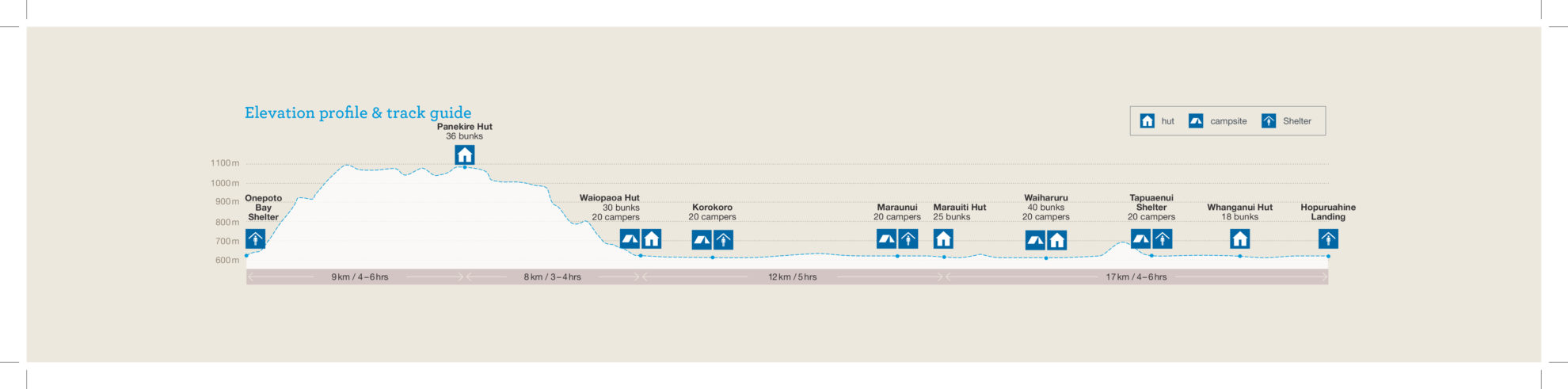
9km, 4-6hr
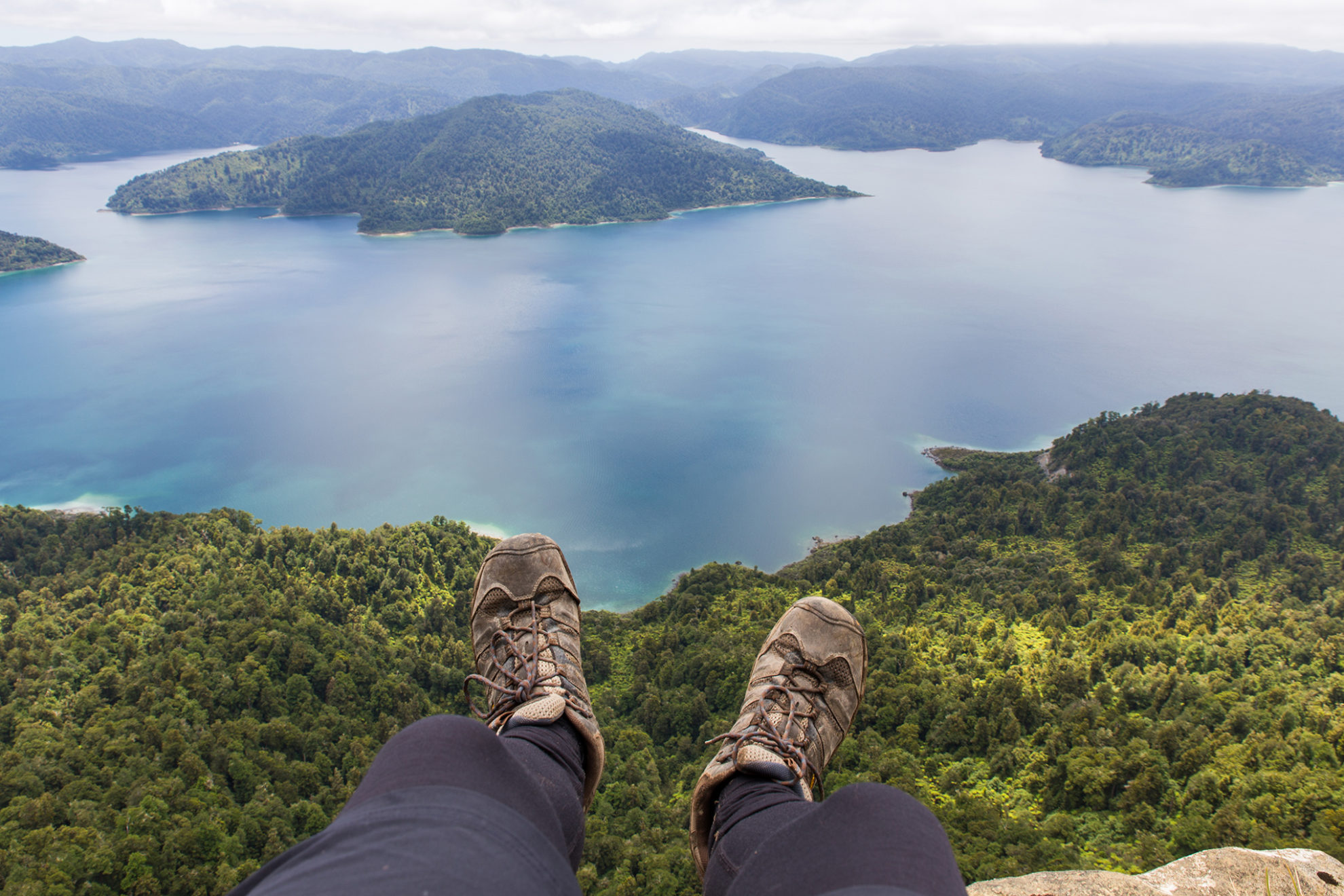
From Onepoto Shelter, the track wastes no time in testing your lungs and legs with a strenuous ascent to Panekire Bluffs. Views over the lake are spectacular, though the exposure is too, and trampers would do well to watch their feet. From here, the track follows an undulating ridgeline to 36 bunk Panekire Hut.
Panekire Hut to Waiopaoa Hut
8km, 3-4hr
The day begins with a gradual descent through mossy podocarp forest. The gradient turns steep at the top of the Panekire descent, and will be a test for the knees. Within a few hours, the lakeside Waiopaoa Hut will be reached.
Waiopaoa Hut to Marauiti Hut
12km, 5hr
Walk up Waiopaoa Stream and cross grassy flats before returning to the lakeshore. At the Korokoro Falls Track junction, an hour-long side trip leads to the 22m falls – a scenic shimmering sheet of water, and one of the North Island’s most idyllic waterfalls. Returning to the track, the route follows the outline of the shore, undulating over headlands and around Te Kotoreotaunoa Point to reach Whakaneke Spur and Marauiti Hut.
Marauiti Hut to Hopuruahine Landing
17km, 4-6hr
The final day is largely flat, with the only notable elevation gain occurring east of Waiharuru Hut, where the track intersects the Puketukutuku Range. It’s a scenic day, and the track sticks by the lake edge for most of the 17km, until finally reaching Hopuruahine Landing, where walkers can water taxi back to the beginning or continue to the road.



