

At the hut, we talked with the ranger, feeling uneasy we hadn’t asked more questions or given more advice. Perhaps his experience outmatched all of ours combined, but judging by his choices, I had my doubts.
To my knowledge, the stranger made it over the pass without a hitch, but the experience got me wondering: are more experienced trampers obliged to speak up when they encounter poor decision making in the backcountry?
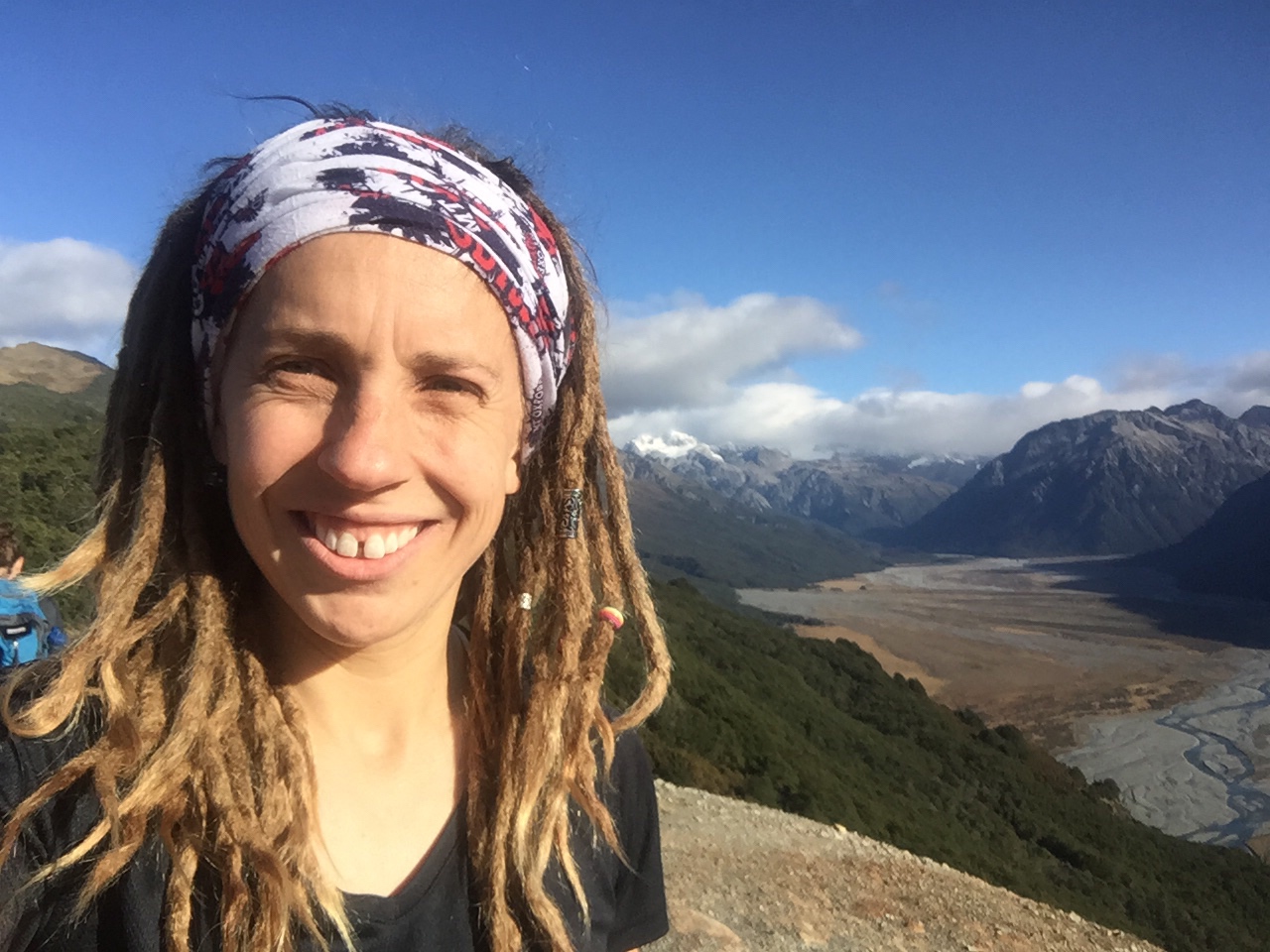
While running her local trails at Mt Oxford in Canterbury, tramper Vicky Havill encountered a similarly worrying situation; a young couple intending to reach a hut during gale force winds.
“The track we were on is sheltered, but once you get above the bushline it immediately becomes like a bad scene from The Wizard of Oz,” she says.
“I couldn’t stand up or breathe due to the wind at about 1000m and there was still another 300m elevation gain to go.”
Havill warned the couple of the impending conditions, but was met with shrugging shoulders.
“They acted like it hadn’t even occurred to them that they wouldn’t be able to complete their journey to the hut,” she says.
So worried was Havill about the couple, she phoned 105 and made a police report, though she never found out how they fared above the bushline.
Havill says the experienced can only do so much when they encounter foolhardy trampers.
“We can only really explain what we know. I spoke up on this day because they were my local tracks so I know them well and because of the nature of my training. On that day I had spoken to numerous people about the conditions,” she says.
“The best we can hope for is that we sow a seed and help make it easier for that person to turn back once they have had a chance to think about what we have said. Getting angry or too judgmental normally only serves to make someone defensive.
“As soon as we do that, it could make someone want to prove you wrong and further hinder good decision making.”
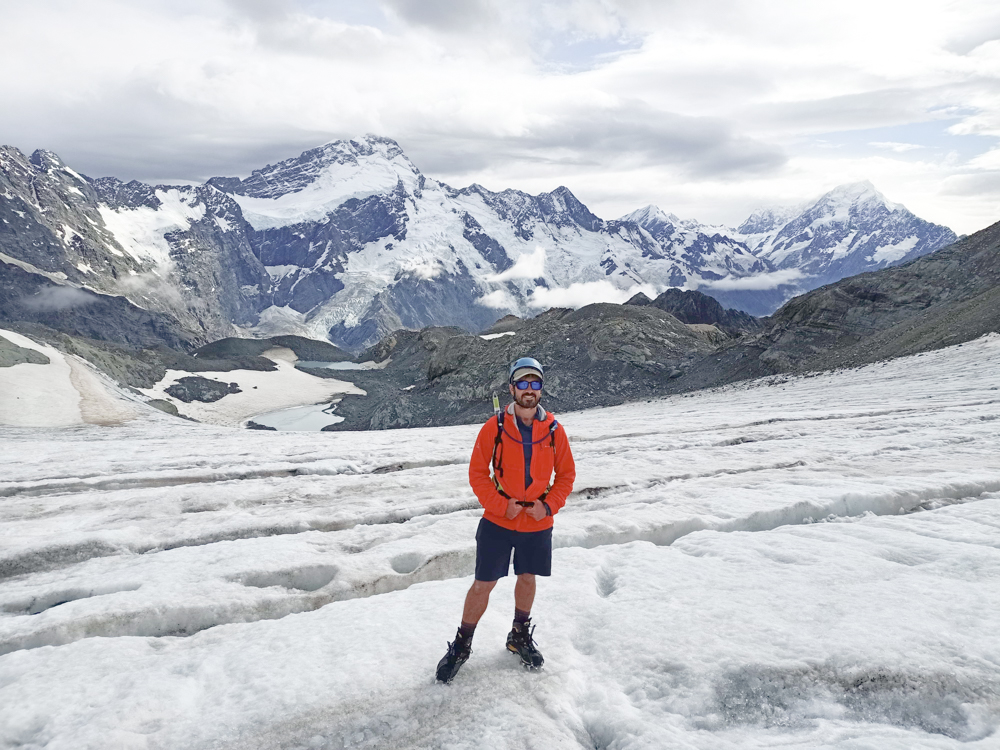
Tramper Caleb Sixtus fared slightly better while hiking the Copland Pass in Westland Tai Poutini National Park.
Having battled over it in storm conditions, Sixtus met an unprepared American hiker heading for trouble without an ice axe or crampons.
Keen to keep the man safe, Sixtus told him “fairly bluntly” he would die if he continued and promised him he could share his whisky if he returned to Douglas Rock Hut.
“It was just typical tourist type stuff. He’d seen Copland Biv on the topo map and had time to kill, so he figured he would go and see it,” Sixtus says.
“To his credit, he was fit and capable; he just wasn’t equipped for it.”
Sixtus’ description of the route – and the promise of whisky – was thankfully enough to persuade the man, who reacted well to the advice.
“He seemed understanding of it, and told me he would just have a bit of a nosey further up and then come back,” he says.
“The big black cloud on the tops certainly helped, plus my description of what the glacier was like on the other side and all the stories of deaths from people falling doing the west-east crossing.”
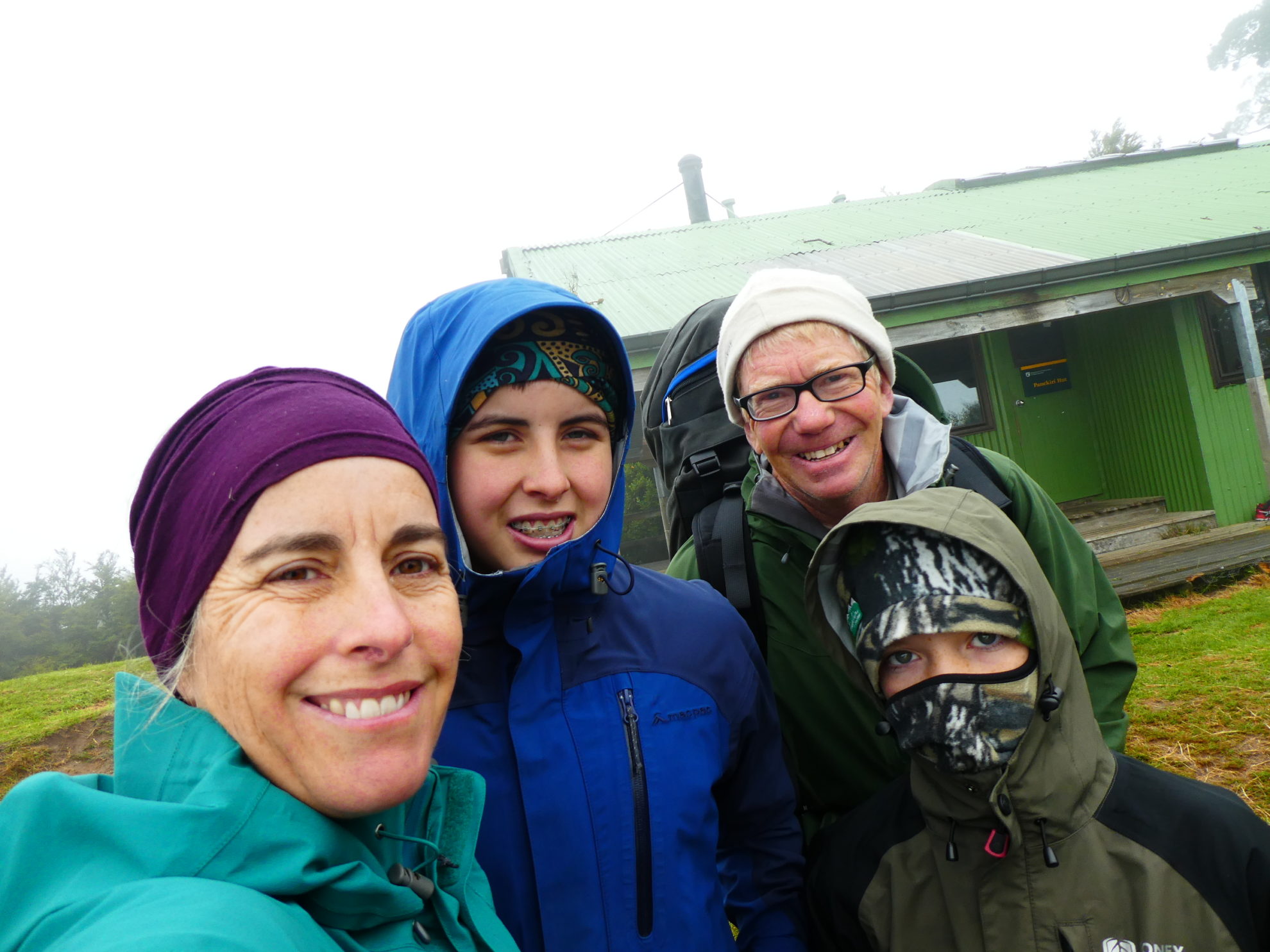
Tracey Vial and her family also managed to turn trampers away from danger while walking the Tongariro Northern Circuit.
Midway between Mangatepopo and Oturere huts, the family of four encountered a man walking in the opposite direction, who explained he was a long way ahead of his wife and daughter.
He had come from Waihohonu Hut (3hr past Oturere Hut) and intended to drop his pack at Mangatepopo Hut and then return to help his family.
When hours later, the Vial family encountered the man’s wife and daughter, it was around 2.30pm and a thunderstorm was closing in.
“They just had little daypacks with no sleeping bags – I think the husband must have been carrying them,” Vial said.
“They may have had jackets, but it looked like they had pretty much just the clothes they had on, which were more fashionable – not what I would use for tamping.”
The pair still had several hours ahead of them to reach Mangatepopo Hut, including the treacherous scree face above Emerald Lakes, and the descent of Devils Staircase.
To make matters worse, the daughter appeared to be carrying an injury.
“You could see it in her face that she was uncomfortable,” Vial says.
The Vials suggested the mother and daughter turn back and spend the night with them in nearby Oturere Hut.
“They were worried about getting a bunk, but we told them the ranger would sort it out, and they would be able to radio ahead to let her husband know,” Vial says.
The pair heeded advice and changed course to Oturere Hut. As soon as they arrived, the rain started.
“They were hugely grateful and quite upset, but pleased to hear the husband had made it safely as well.”
Vial says confronting trampers can be hard, but it’s important to remember we were all inexperienced once, and empathy is the best course of action.
“You can have a knee-jerk reaction sometimes when you see what you see. It’s important to take three deep breaths and ask yourself, how can I check these people are okay?”
MSC operations manager Nathan Watson says it’s not the Kiwi way to be confrontational and recommends asking the important questions.
“Asking questions such as, what time they think they will arrive at the hut or do they know how long it will take them, will help you to understand if they know what they’re doing and will help the other person focus on the facts,” he says.
“By telling them what you know about the route, and if you’ve come from the other direction, let them know what you encountered. Even if they don’t seem to take note, that will plant the seed.”
Watson advises speaking up if you feel concerned in the outdoors.
“If you do so in a kind and compassionate way, so as not to come across as unnecessarily confrontational, you may very well save someone’s life. If they don’t appreciate the input don’t be put off, you’ve done what you can to help them.”



