

Gap in the market
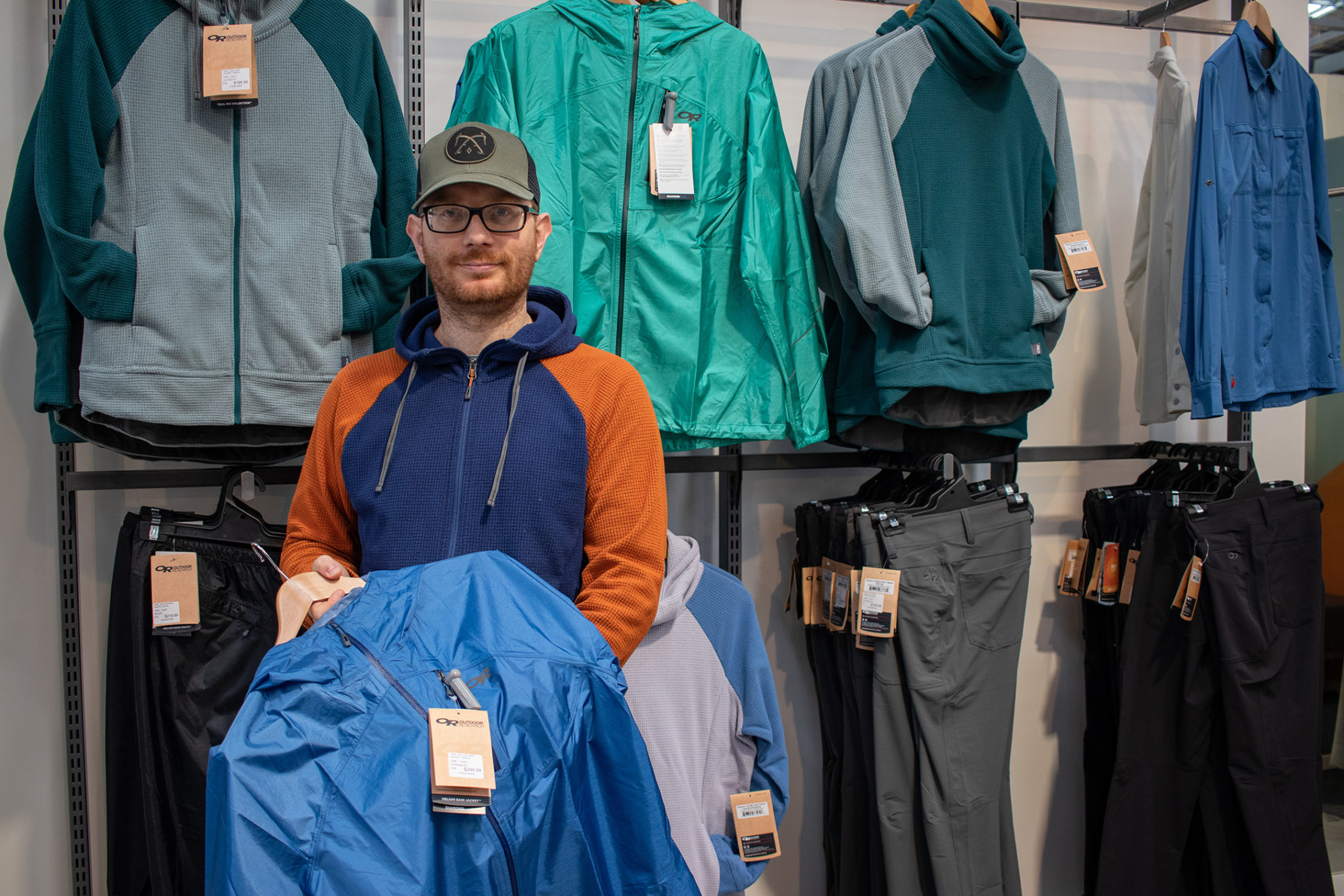
Dave Laffan, national purchasing manager for Bivouac Outdoor, reckons people should let them know if they’re not being well served by what’s in stores.
“The lack of larger sizes is a common complaint,” he says. “The body shapes of people enjoying the outdoors are changing and I’d encourage people to come and talk to our staff about what’s wanted because we don’t know what we don’t know – it can be hard to get solid information on this and hearing from our customers is our best resource.
“Manufacturers are definitely starting to wake up to the gap in the market for bigger sizes. The crucial thing for us as a retailer is for that to be supported by those brands through marketing and advertising campaigns – consumers need to know what’s available otherwise they just won’t come in store.
“It’s great to see there’s a real change starting to happen in the imagery and public portrayal of the sort of person who gets into the outdoors – we’re starting to see brands showing more diversity in their campaigns and also their language.”
For Bivouac, ‘standard’ sizes when stocking shelves means XS through to L for women and S to XL for men. Laffan has seen some evidence that there’s actually more demand for the smaller sizes in women’s clothing; they tend to sell around 15 per cent more XS sizes than L sizes, and Laffan suspects they’d sell more XXS sizes if they were available. There is – pardon the pun – a ‘sales curve’, meaning that the sizes in the middle of the ‘standard’ range (say, small and medium) sell the greatest volume, whereas volume tails off to not very much at all on either side of that curve. But there’s an information gap around what might sell.
“We’re listening to people and trying to improve what we offer – but we’re not perfect and we recognise we may never be able to please everyone,” Laffan says.
He reckons the lockdowns of Covid-19 could have been a driver in more demand for larger sizing, as it’s prompted more people to get into the outdoors. Short walks were the only way of getting out of the house during Level 4, and that’s then prompted more people into the outdoors and getting into tramping a bit more. As a result, people of all shapes and sizes are throwing out the idea that you need to be an Instagram stereotype to go tramping.
As one of our Facebook posters said: “Outdoors clothing suppliers have this ‘image’ in their head of who hikes/runs/etc in the outdoors and it’s not reflective of reality. Limiting size range needs to end.”
And it looks like things are shifting – albeit slowly.
Going large
So what are brands doing about it?
Kiwi brand Stoney Creek gets a top honourable mention. It started as a hunting brand in 1994 but has diversified to offer functional gear used across multiple applications. The gear is in around 300+ retail stores across the country – so while the brand is widely stocked, size availability is decided by store owners or buyers.
Lead designer Sarah MacDonald says she gets a huge amount of feedback about the size range of their products. “The personal feedback I’ve had is incredible when it’s face to face with customers. People just want to be enjoying their pursuit no matter what size they are. You get the same enthusiasm and excitement from someone who loves their gear – size doesn’t matter.”
Marketing director Brendon Li reckons the demand is definitely there in bigger sizes. “We often have a ‘big boys rack’ at Fieldays with a prominent 7XL sign on the rack and it’s the first thing to sell out. Customers are always surprised to learn we do such a wide size range, something they probably don’t see every day in the majority of stores.”
Macpac is well underway on a project, working with a group of adventurous folk who are helping the brand to refine and extend its size offerings, says apparel buyer Rachael Grooby.
“We’re working with a broad range of people to develop our fit and extend our size offer. We currently cater up to a women’s size 20 and a XXXL in most of our styles but we’ll have extended sizes in some key lines expected to be in stores in September this year. But that’s just the start of things for us, and we’re working with a broad range of people to make sure we get the fit right for as many customers as possible.”
Marmot New Zealand brand manager Dan Te Huia said demand is huge right now and things will shift quickly with much more volume available to purchase in the coming years. “Retailers’ attitudes are changing as well, they’re fielding more calls and having more conversations with consumers about plus-sizing, so the demand is definitely there. Manufacturers have more confidence in this category, which is enabling better forecasts to fabric suppliers and production plants.”
Marmot has its own outlet store in Taupo, and brought in a shipment of plus-size gear in 2020 and sold through it lightning quick. That included rain jackets, shirts, insulated vests, hoodies, pants and shorts, up to size 22. “If we could get stock today, we’d sell it tomorrow,” says Te Huia.
He reckons the mindset is shifting overall, too. Samples used to always come as a medium and now many come as a large. Another shipment of plus sizes was due last month – check your local Marmot stockist for more info.
It’s understood Outdoor Research is working on a range of extended sizing that will be out next summer – including outerwear, knit tops, down jackets, and ski wear. Patagonia is also working on it, and many other brands might also be.
In the meantime, for trampers wanting bigger sizes, there’s only one thing to do: campaign for it. Get in store, go on social media, send emails to the brands you want to buy. And once the gear is there, support it with your dollars.



