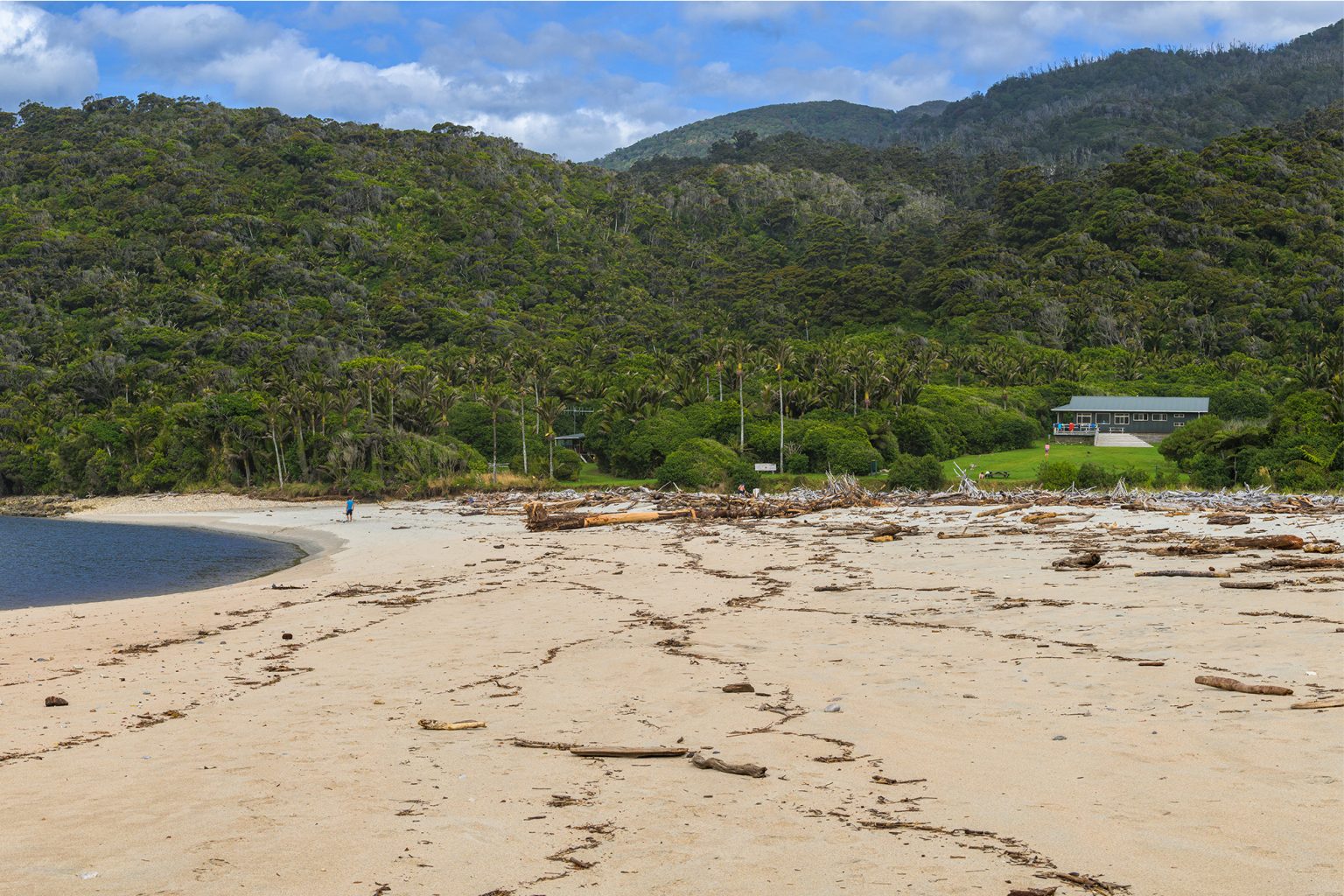
Choose the right track in winter and there will be ample time to explore. Settled weather, quieter huts and fewer sandflies – what’s not to like about winter tramping? When high mountain trails turn to ice and avalanche terrain, it’s time to seek out the plethora of lower-level tracks in Aotearoa. Like the Heaphy Track. Its […]
About the author
Kathy Ombler
Freelance author Kathy Ombler mostly writes about outdoor recreation, natural history and conservation, and has contributed to Wilderness for many years. She has also written and edited for other publications and websites, most recently Federated Mountain Club’s Backcountry, Forest & Bird, and the Backcountry Trust. Books she has authored include Where to Watch Birds in New Zealand, Walking Wellington and New Zealand National Parks and Other Wild Places. She is currently a trustee for Wellington’s Ōtari-Wilton’s Bush Trust.
Each issue of Wilderness celebrates Aotearoa’s great outdoors — written and photographed with care, not algorithms.Subscribe and help keep our wild stories alive.