

The Māori worldview and its emphasis on respecting nature as someone would a living person was widely disregarded.
Meanwhile, New Zealand laws such as the National Parks Act and the Conservation Act became outdated, limiting the ways DOC could manage over-tourism.
The majority of regional conservation and tourism management plans also failed to adequately address over-tourism.
“Added up, these things resulted in unprecedented congestion in our national parks, as well as on the roads and in the skies that surrounded them,” says Bamford. “Instead of limiting access, we created the infrastructure to accommodate increased access. What happened? Carbon emissions went up. Noise pollution skyrocketed as demand for helicopter and light plane trips increased and we saw a lot more enterprise occurring within our national parks.
“While I am cautiously supportive of — and do advocate for — tourism activities in our national parks, it became clear to me we have to manage it in a better way,” he adds.
Bamford believes the global pandemic has given New Zealand the chance to figure out how to do things differently and says now is the time to act.
“My plea is for us all to see this pandemic recovery time as an opportunity to take stock and reset.”
Over the next two to three years, he’d like the law changed to allow DOC to charge people to visit New Zealand’s national parks, as well as stay in camping grounds and DOC huts.
He’d like the grounds for needing an entry permit extended and infrastructure such as “park and rides” developed to better manage heavy traffic away from national parks.
Earmarking a chunk of the International Visitor Levy specifically for improved national park management is another short term solution.
Commercial tourism operators should be incentivised to reduce carbon and work collaboratively with iwi by signing up to the industry’s sustainable tourism commitments, he says.
When it comes to Tongariro National Park, Bamford believes the more local iwi, including Ngāti Hikairo and Ngāti Tūwharetoa, are involved in its restoration and ongoing care, the better.
“We have to follow their lead and recognise the living identity of these incredible natural places. We have to rethink our role, too. To me, having access to New Zealand’s national parks and protected areas is an honour, not a right — regardless of whether you’re a business, a tourist or an experienced tramper.
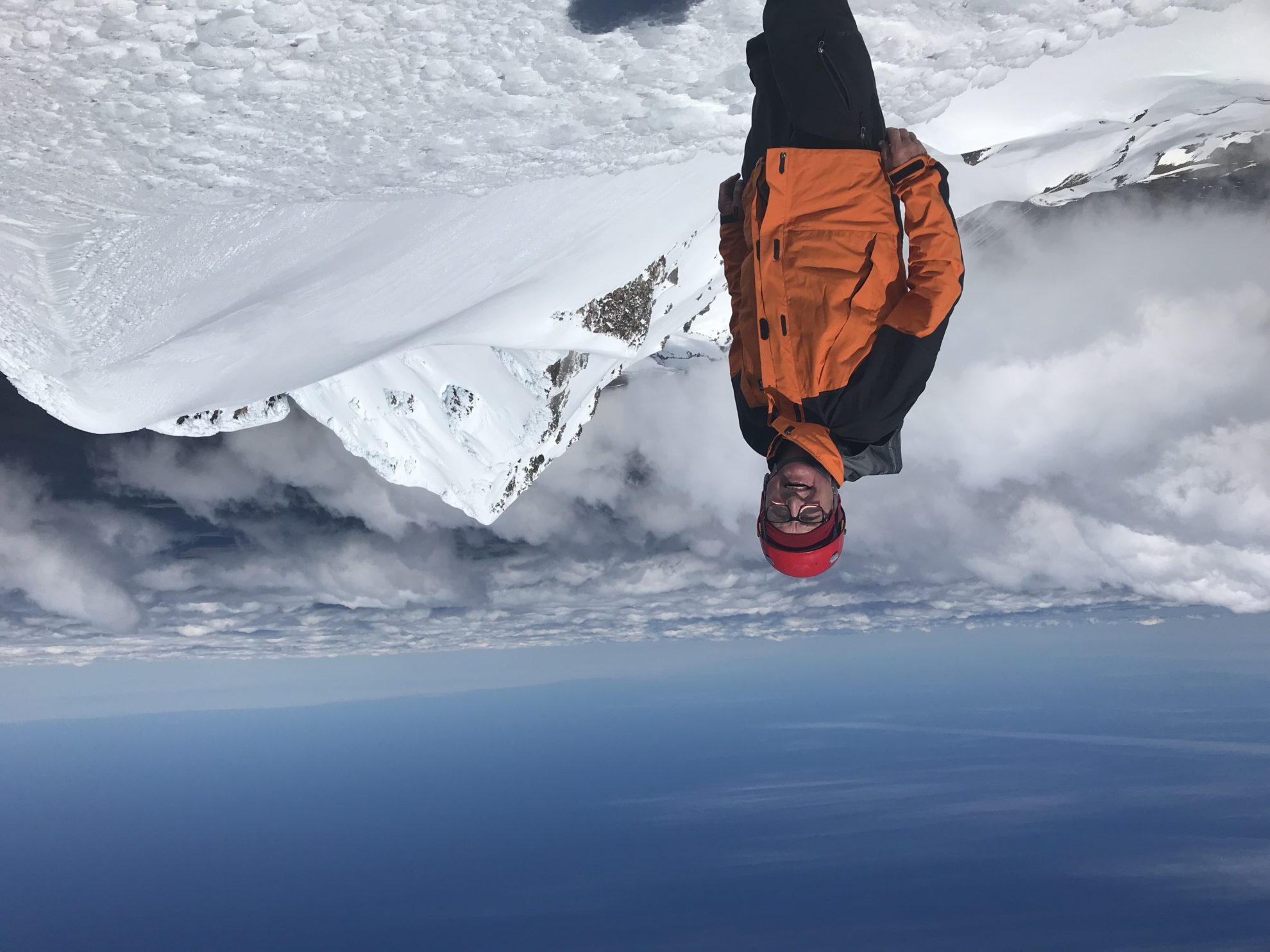
“It’s time to change our attitude and accept a different world view if these places are to remain healthy and accessible into the future. I’m in my 70s now, but I’ve tramped and climbed all my life. Just last week I was at Mt Irene in the Southern Alps. If old buggers like me can rethink our relationship with these wonderful parks, anyone can. I’m living proof it’s possible.”



