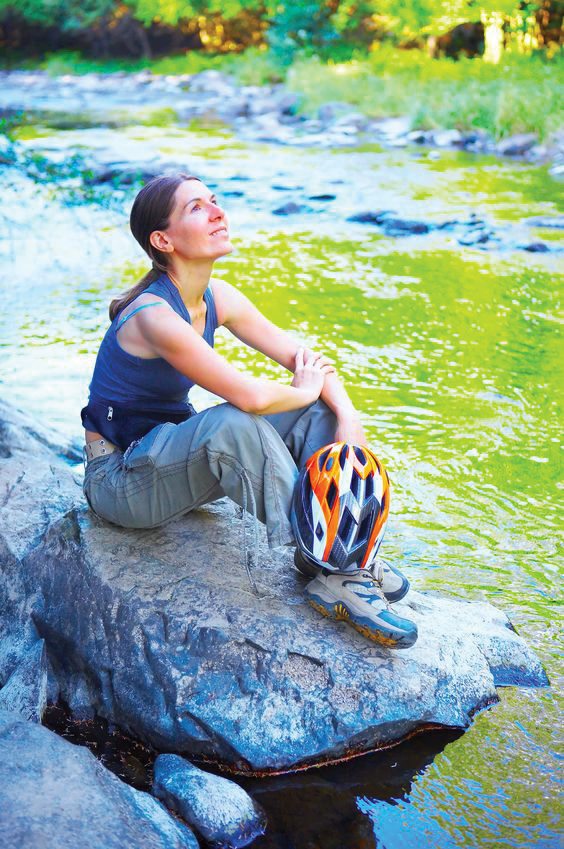
Taking care of your body after a long tramp is as important as the preparation before. After all, for those of us with the bug, there is always another tramp around the corner.
If you don’t properly look after your body in the hours and days after a big tramp, there is a risk that your body will simply say ‘no thanks’ when you ask it to start moving again.
The following five tips will help keep your body working and prevent future injury in the days after an arduous tramp.
Your body needs a chance to repair any damaged tissue after a long tramp which is why you need active rest. Many people think resting means not doing any exercise but they make the mistake of doing other physical activity like household chores, work or shopping. While this is nothing compared to what they have just done, it does not allow the body to shut down and recuperate properly. It is beneficial to spend a lot of time post-tramp literally horizontal (or in a very comfortable chair).
While active rest is important, do not make the mistake of doing nothing at all. Inactivity can be your biggest enemy after a long tramp. All you need to do is a 10 minute walk three to four times a week to help metabolise any residual toxins that may be lingering in the body.
The importance of stretching cannot be underestimated. The best time to stretch is immediately after the tramp as this is when the muscles are most pliable but it is also beneficial to do some in the ensuing days after the short training efforts mentioned above.
Not only do massages feel good but they have a great physiological effect on the body. After intense exercise, especially endurance-type activity like a long tramp, the muscles can become misaligned or knotted. Massage helps to get the fibres of the muscles better aligned so that they can work efficiently. It also helps to stimulate blood flow in damaged areas. This means that damaged areas of the body receive much-needed nutrients and toxins are more effectively removed and metabolised.
It will not be visibly evident but these damaged areas will be slightly inflamed. To alleviate the inflammation cold water immediately after the long tramp can be beneficial. It is another way of stimulating circulation as the cooling effect takes blood from that part of the body – and with it toxins. When it warms up again, blood flows around the body and with it enzymes and oxygen that will aid the natural healing process. You can do this by jumping in a cold stream, bath or shower for about 10 minutes followed by the same time in a warm bath or shower. Repeating this three times a day if you have time is a good idea.
– Scott Winton
34 years of inspiring New Zealanders to explore the outdoors. Don’t miss out — subscribe today.

Questions? Contact us