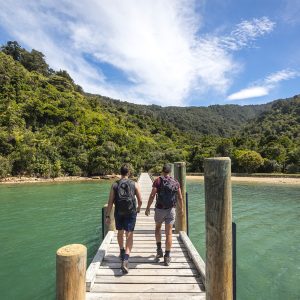
DOC is encouraging people who use hiking poles to use rubber tips because of the damage caused track surfaces without them.
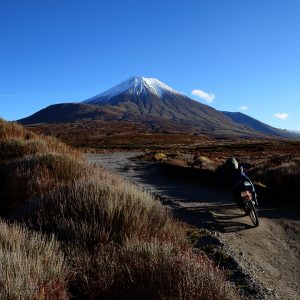
DOC project manager in Tongariro conservancy John Wilton writes in a report that by a conservative estimate 20,000 poles are used on the Tongariro Alpine Crossing each year.
Wilton calculates that if each pole hits the surface once every metre of 20km of track, it would result in 400,000,000 holes being made each year.
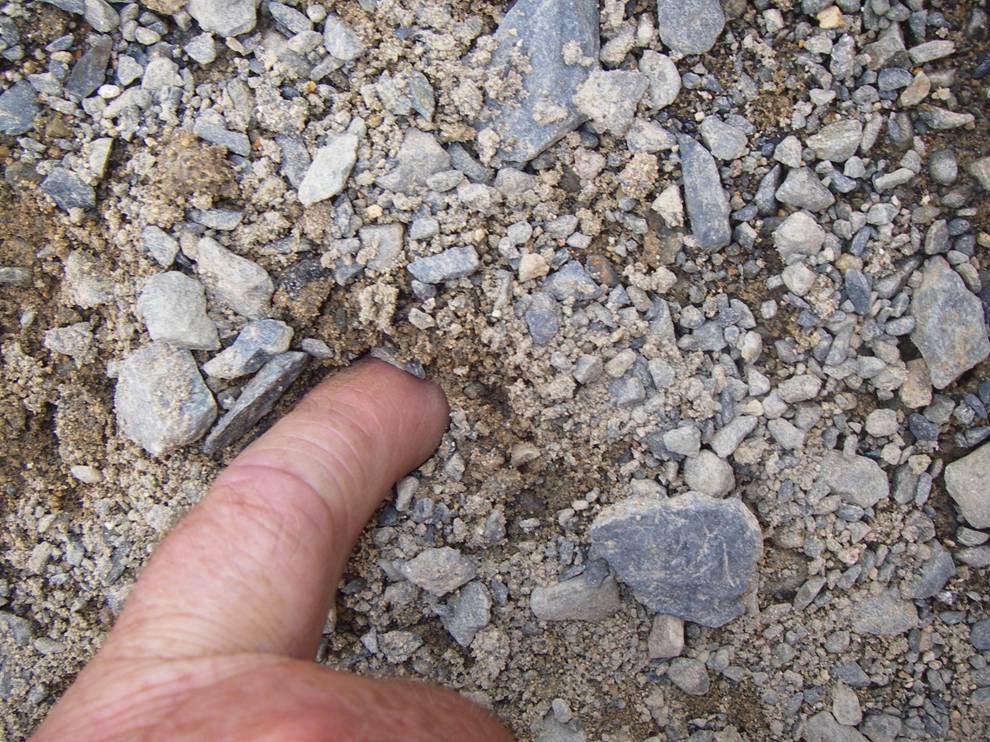
“In other words, every linear meter of track could have over 20,000 holes poked into that meter of track surface annually. That is at least two holes in every square centimetre of track,” said Wilton in his report.
“The small dimensions of an unprotected tip and the high pressure created means they are able to penetrate between the larger stone in the aggregate mix and lever them out. This allows water to break down the track surface and accelerates erosion.”
The simple solution to this problem is to use protective rubber caps on poles.
“A hiking pole with a rubber protective cap fitted creates a pressure of only 70kPa, instead of the immense penetrative 3000kpa for the unprotected tip,” said Wilton.
Wilton said using a protective cap can benefit the track: “The pole will spread its force over a number of stones, further reducing penetration into the surface and instead these forces effectively compact stones back into the surface matrix.”
Sean Hanton, sales manager at Marvelox Adventure, the New Zealand distributor of Leki walking poles, said he has not been made aware of Wilton’s report, but knows in Australia rubber tips must be used for walking in sensitive areas such as on Ayers Rock.
Hanton said if DOC wants poles to be sold with tips his company would be happy to comply and would create a package for consumers.
“I can appreciate their concern about the damage poles may do. As a company we will support DOC in its policy decision.”
Hanton said the downside of using rubber tips is that they may reduce the safety function of the poles, but will still reduce pressure on knees and ankles.
“It can slide a little bit when you’re coming down hill and may not give the security the pole was designed for on loose or slick terrain,” said Hanton.
DOFC urged retailers to also encourage their customers to purchase tips if they indicate they are going to walk the Tongariro Alpine Crossing.
34 years of inspiring New Zealanders to explore the outdoors. Don’t miss out — subscribe today.

Questions? Contact us