Forest & Bird chief executive Kevin Hague has urged trampers to lend their voices to the 1080 debate.
In light of this year’s mega-mast – the worst on record – Hague believes trampers need to speak up and dispel the mythology that 1080 creates silent forests.
“Trampers have got an independent observer status to say actually, that’s bull – 1080 kills predators and gives the birds the breathing space they need,” he said.
Hague said those that don’t visit the backcountry won’t see the positive impact 1080 has on native species, but will pick up on the fact it’s a controversial topic and be hesitant with their support.
He believes trampers need to bring their experiences to the debate wherever possible, to stoke public support for its continued use and funding.
“If trampers are out there telling their stories, and being thoughtful, objective advocates for 1080 use, they would be a powerful voice.”
Hague said it’s clear most people would prefer an alternative to the poison, but it’s currently the best tool available in preventing the extinction of native species.
“We need more advocacy to increase the funding that goes into predator control, as we’re going to experience more and more of these mast years,” he said.
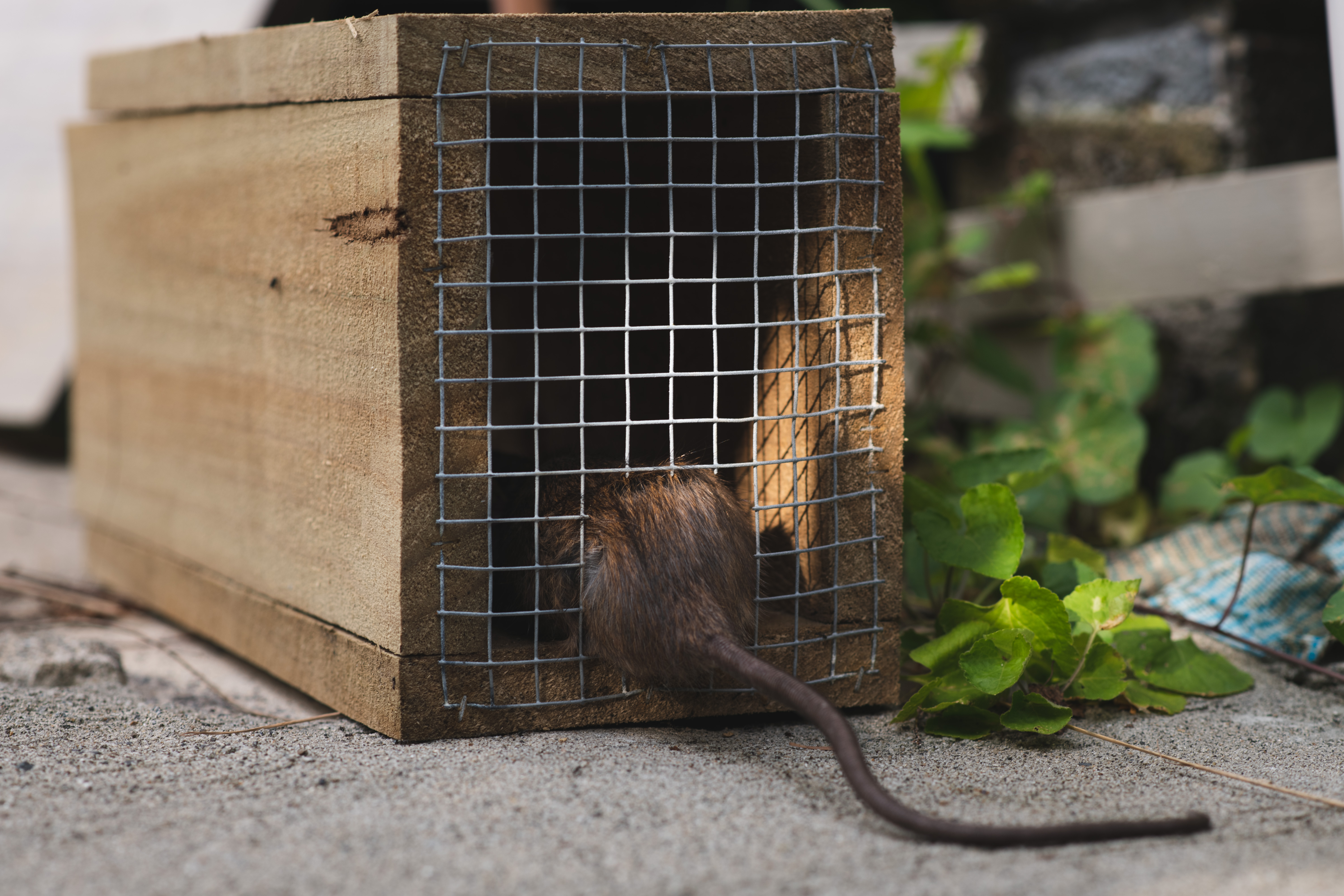
Physical sampling has proven the mega-mast to be as bad as predicted, and trapping programmes are reporting an explosion in rodents.
While urban rat plagues have been hogging headlines, Hague said the unprotected backcountry will be in an even worse state.
“You have more trees, therefore more seed, and therefore way more rats,” he said.
The most immediate and practical thing people can do is join a group and volunteer in trapping or predator control work.
“If you can’t find one yourself, head to your local DOC or Forest & Bird office and they will put you in touch,” he said.
While it’s too soon to know how the birdlife is faring with the predator explosion, Hague is anticipating a sobering spring, with the possibility of localised species extinctions.
“When it comes time to [record numbers] in spring, we might be looking at nesting success and see there is nothing happening,” he said.

34 years of inspiring New Zealanders to explore the outdoors. Don’t miss out — subscribe today.

Questions? Contact us