Top 10 hiking and hygiene tips for women

July 2024

Read more from

July 2024

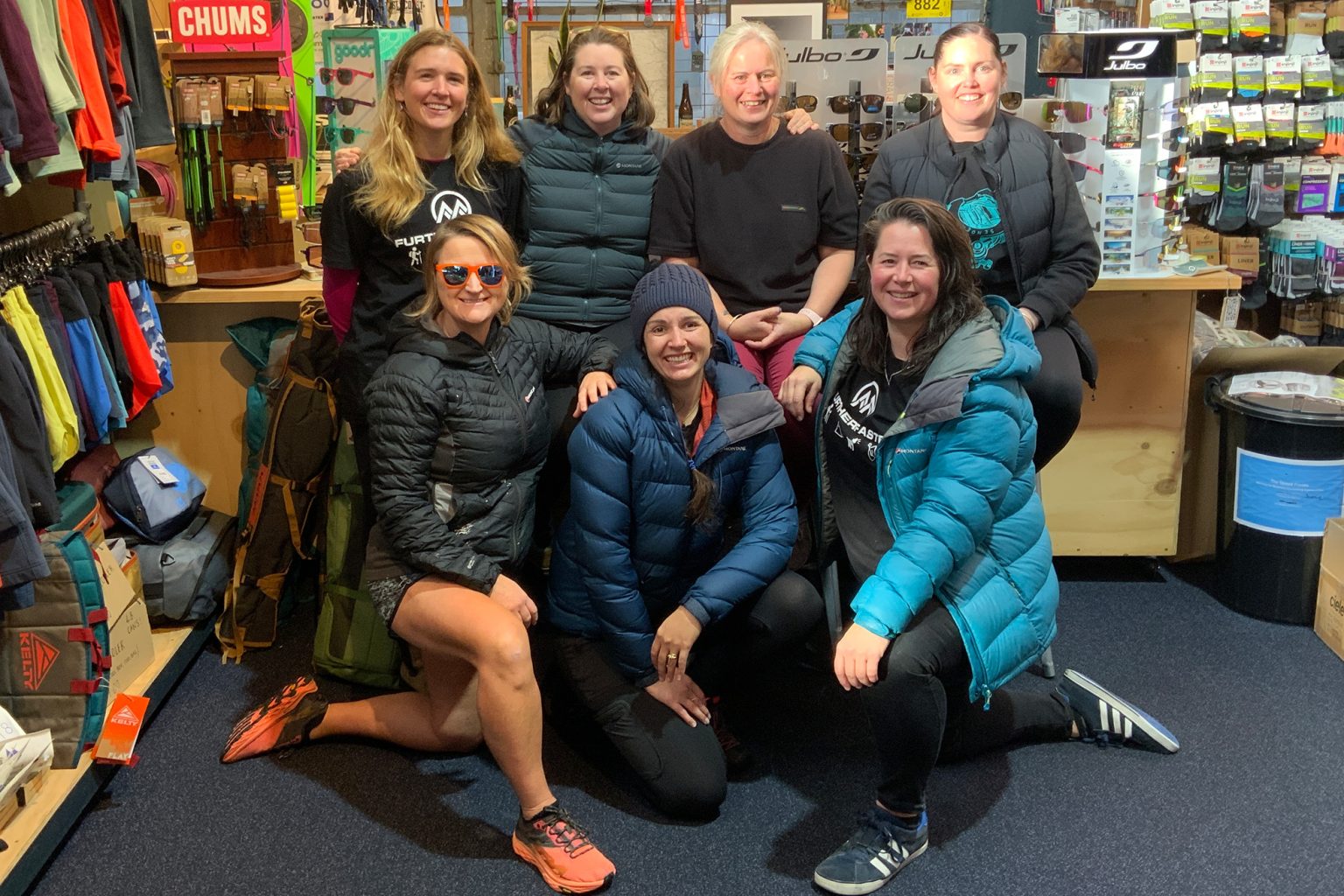
For expert advice on all things outdoors, visit the team at Further Faster.

1.  Don’t forget to train! As you age and hit perimenopause and beyond, strength training will help ensure great days on the trail.

2. Braid your hair.This will keep it out of your face, and a beanie or a cap can be put over. Take a spare hair tie – there are few things worse than long hair blowing everywhere on a hike, especially if it’s been a few days since washing.

3. We love the P-Style. It makes peeing so much easier when you don’t have to squat or pull your pants down fully. (And a tip from the guys who know how these things work: stand side-on to the wind when peeing!)

4. A pee rag has changed our hiking experience! You can get a specific pee rag, like the Kula Cloth, but you could use a bandana, microfibre towel or any other quick-drying fabric. Use it instead of toilet paper or the drip-dry method so you stay fresher and cleaner. Attach it to the outside of your pack to dry.

5. Pack extra socks for comfort and warmth at the end of the day.

6. Women’s hands, feet and ears can be up to three degrees colder than men’s. If you suffer from cold feet, the Sea to Summit Women’s Ascent sleeping bag has a toe box anatomically constructed to help keep feet super warm!

7. We don’t want period products clogging up the long drops. So if you’re not using period undies (also great for catching drips if you’re without a pee rag) or a moon cup, add two tablespoons of baking soda to a sealable bag or container to pack out your used pads and tampons. Pads and tampons also have a multitude of uses: tampons are great fire starters, and pads will help stop bleeding wounds.

8. Now, to take nature toileting to the next level? Gnara ‘Go There’ Pants have an extra zip in the back and needn’t be taken off when peeing in the wild. It makes life warmer, safer and less awkward! They also work well with a climbing harness.

9. Pack an after-hike bag for the car with spare clothes, shoes, socks, snacks and water. Make sure you always stow a warm jacket in the bag too. Our go-to is the Montane Antifreeze, which packs down small but offers mega warmth.

10. Use dry bags to organise your gear within your pack. If you get caught in wet weather or the pack leaks, all the warm stuff you need will stay dry. Use different coloured bags for easy finding – electronics in a black bag, first aid in red, toiletry in yellow and so on.

For expert advice on all things outdoors, visit the team at Further Faster.
57A Buchan St, Christchurch P: 03 338 1774  www.furtherfaster.co.nz

About the author

Ruth Soukoutou

More From Sponsored

Related Topics

Similar Articles

Why quality food matters

Step by step on the Brewster Track

Port Jackson’s headlands are calling

Trending Now

Upgrading to ultralight without replacing everything

Apply for the Shaun Barnett Memorial Scholarship

Walk1200km‭ ‬in 2026

Summer hiking clothes

50 great walks for kids

Subscribe!
Each issue of Wilderness celebrates Aotearoa’s great outdoors — written and photographed with care, not algorithms.Subscribe and help keep our wild stories alive.

Join Wilderness. You'll see more, do more and live more.

Already a subscriber?  to keep reading. Or…

34 years of inspiring New Zealanders to explore the outdoors. Don’t miss out — subscribe today.

Your subscriber-only benefits:

All this for as little as $6.75/month.

1

free articles left this month.

Already a subscriber? Login Now